
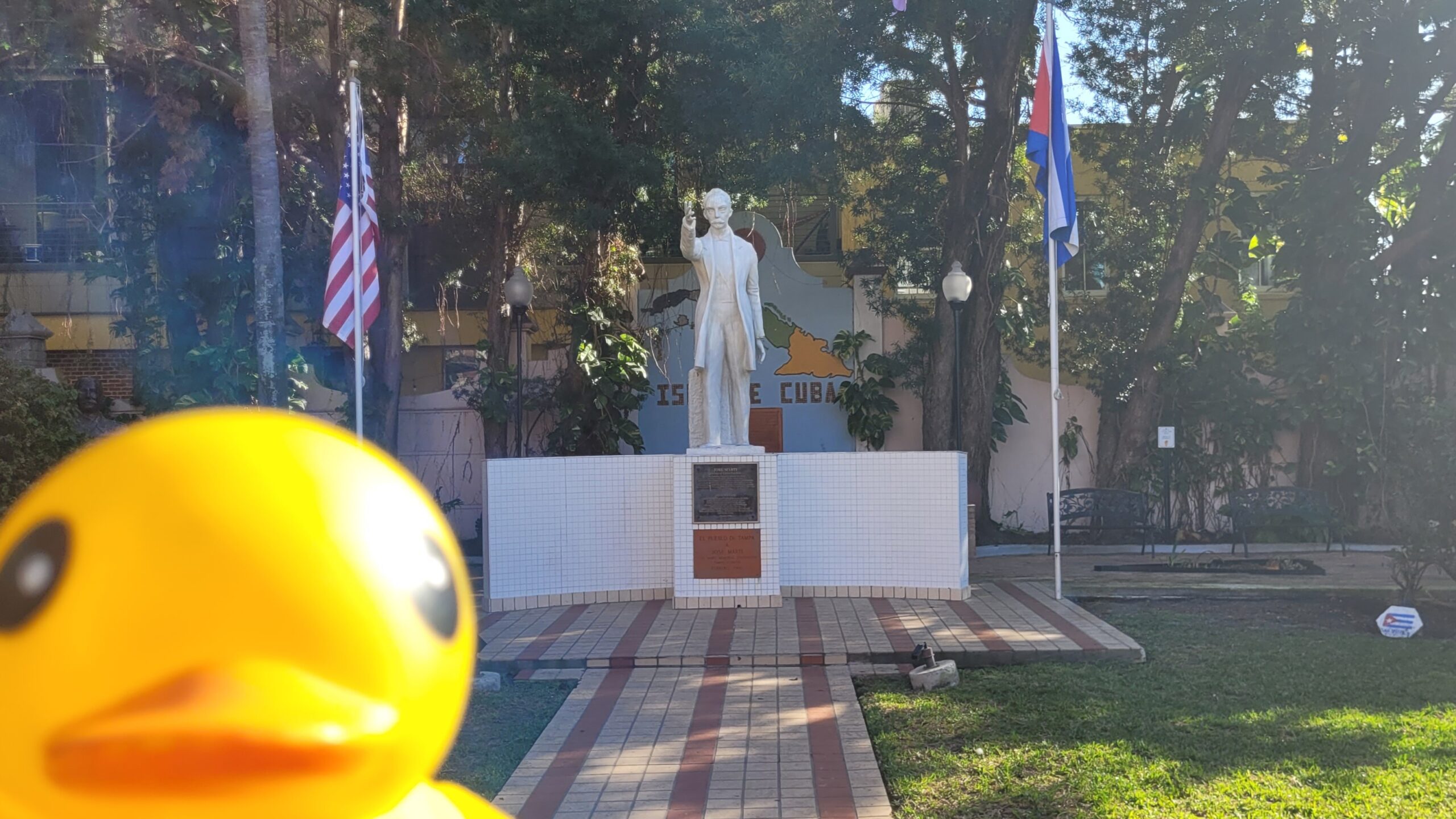
Today I’m bobbing along in the enchanting José Martí Park in the heart of vibrant Ybor City, Florida!
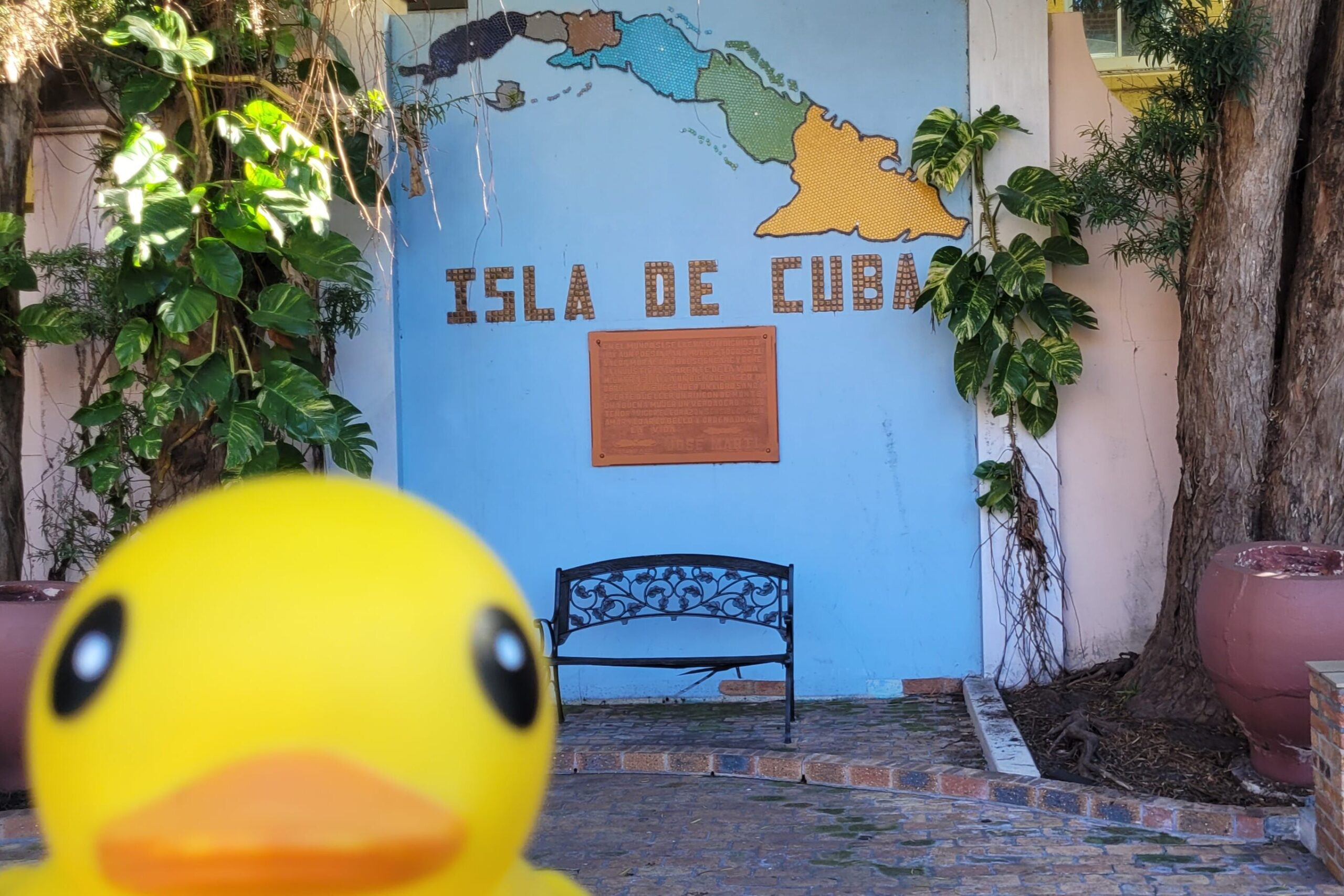
It feels as if I’ve been transported straight to Cuba. The lively atmosphere and rich culture embrace me like a warm hug. Moreover, the park serves as a living tribute to the enduring legacy of José Marti.
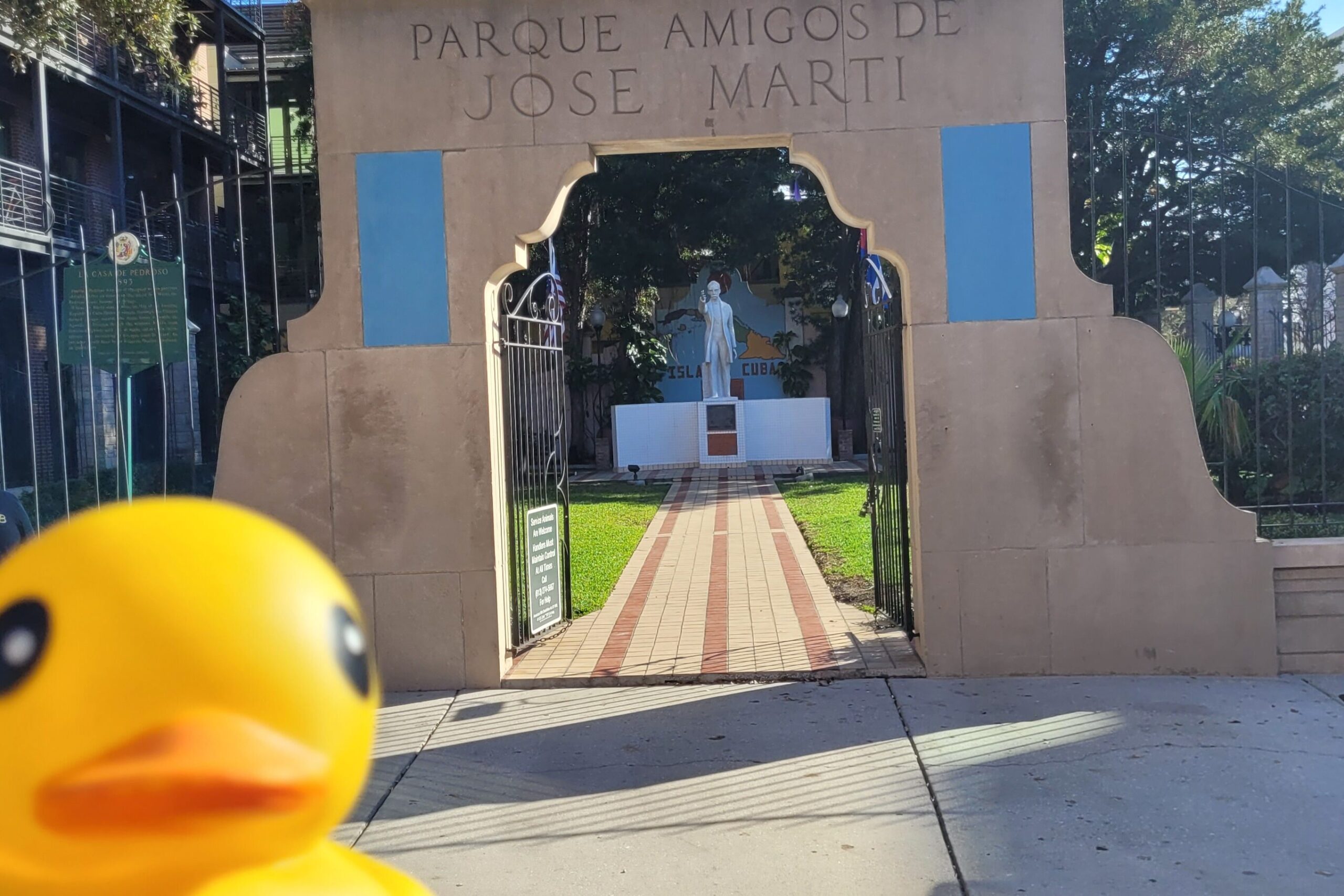
What makes this park unique to me is its profound cultural significance.
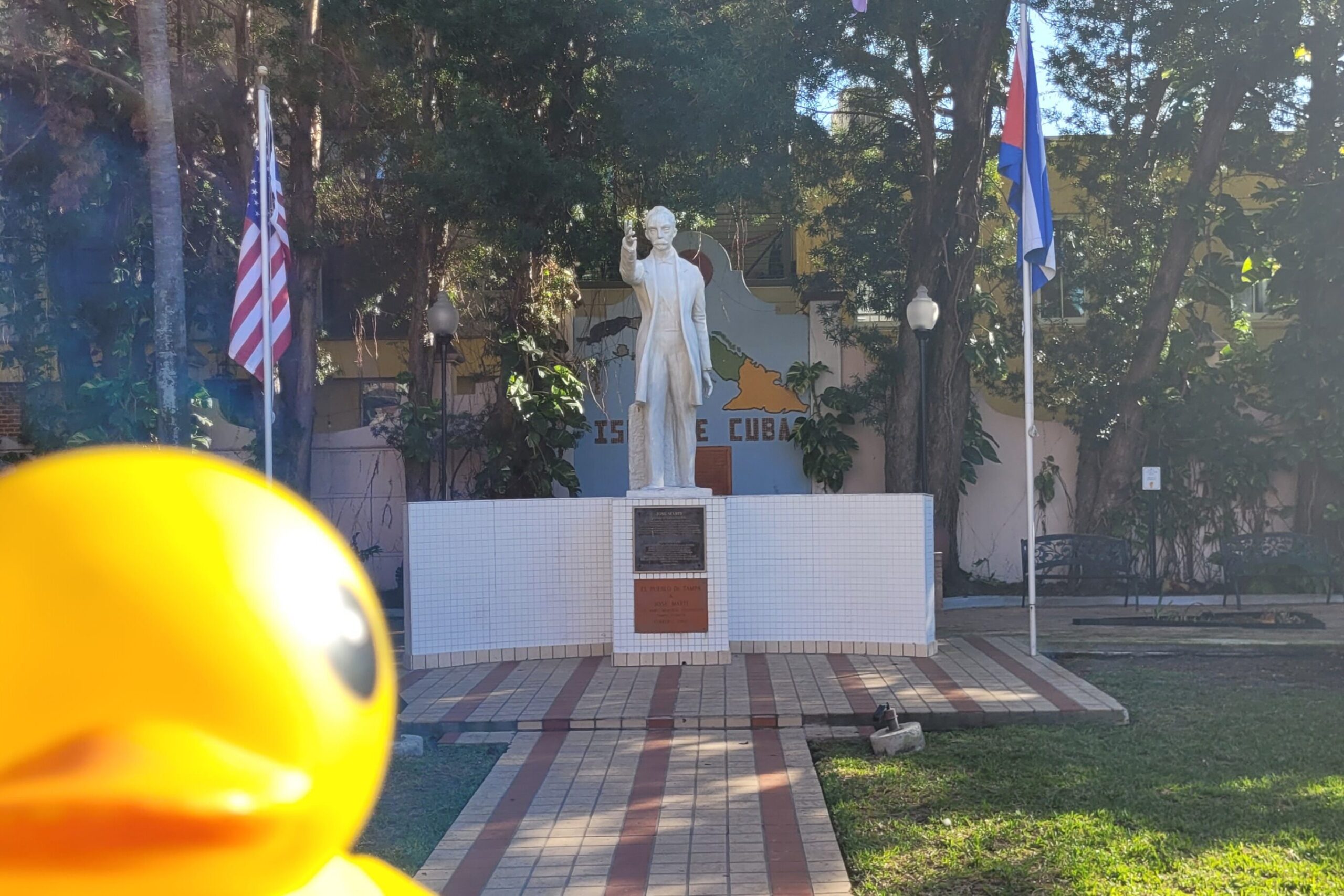
It is a tribute to José Martí, a legendary Cuban poet and revolutionary who dedicated his life to Cuban independence. As I drift by the majestic statue of Martí, I can almost feel his spirit inspiring me.
José Martí was more than just a national symbol; he was a passionate journalist and writer who played a crucial role in Cuba’s fight for independence from Spanish rule.
Born on January 28, 1853, in Havana, he became a prominent figure in Latin American literature. In addition, he earned a revered place in Cuban history.
Martí believed in justice, education, and cultural identity. He sought independence and unity among different factions in the struggle against colonialism.
In 1895, he co-founded the Cuban Revolutionary Party and became a guiding force in the Cuban War of Independence.
Although he tragically lost his life in battle on May 19, 1895, his legacy continues to spark movements for freedom and social justice across Latin America.
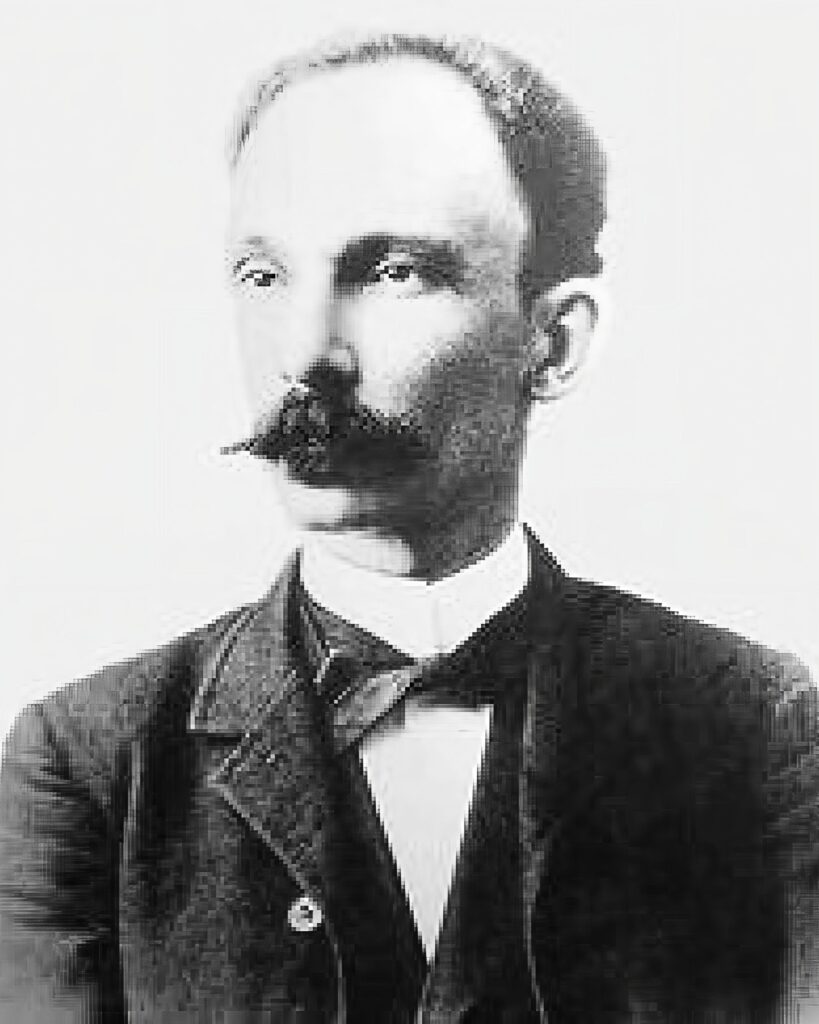
To this day, the ideals of José Marti inspire people throughout the Americas.
Floating here, I’m reminded of the literary genius of José Martí. His works, including “Versos Sencillos,” are filled with reflections on love, freedom, and the human condition.
His words resonate with the profound emotions that still echo among those who cherish liberty.
Speaking of inspiration, the park celebrates another remarkable figure in Cuban history, Antonio Maceo Grajales.
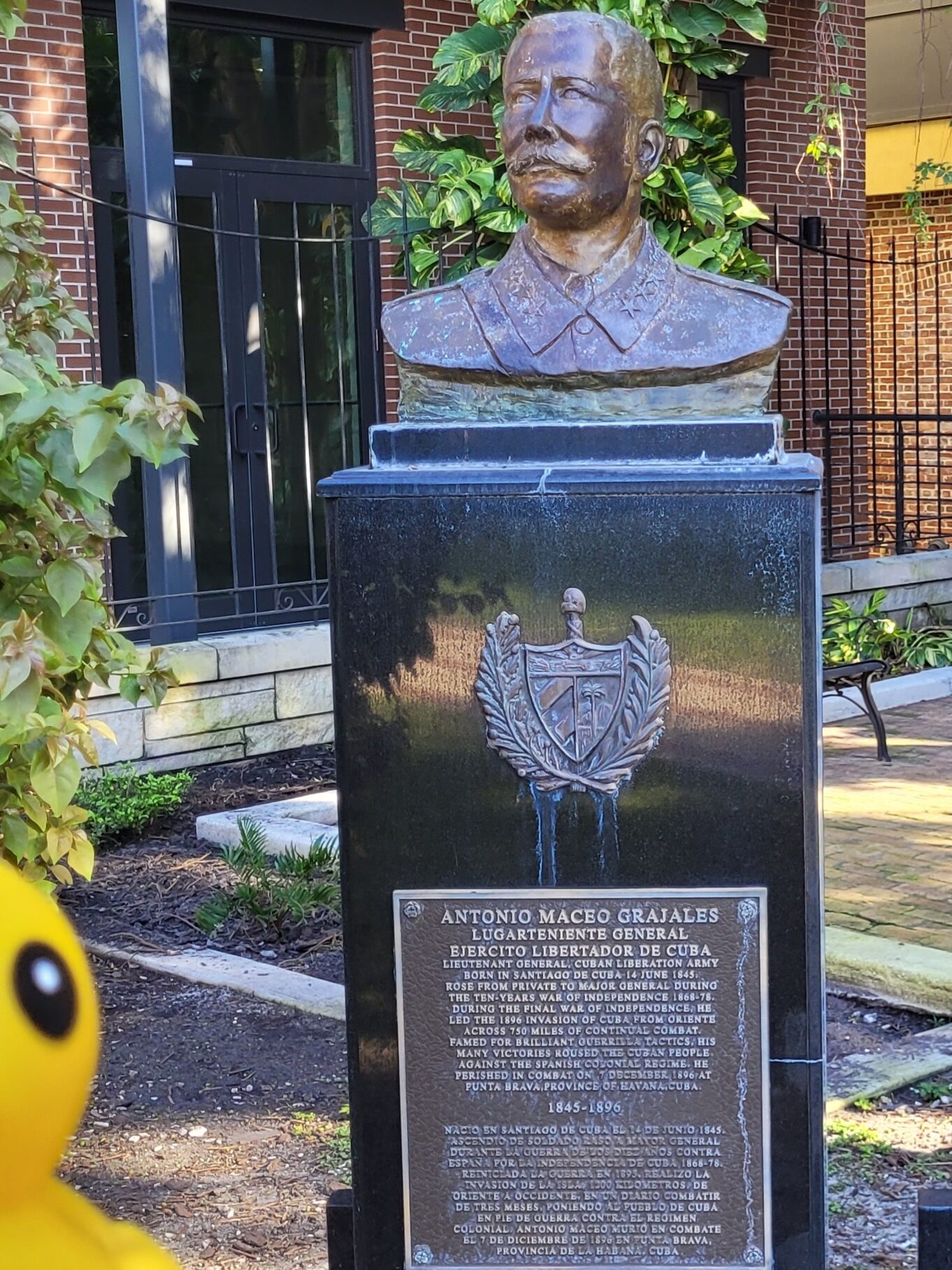
Born on June 14, 1845, he was a fearless leader in the independence movement known for his strategic guerrilla warfare. With courage and a dream of liberty, he rallied countless souls. Many joined his fight against Spanish forces.
Maceo’s advocacy for racial equality and the abolition of slavery made him a beacon of hope for many, especially among Afro-Cubans.
One of his legendary campaigns, the “Invasion of the West” in 1895, saw him travel across Cuba. Along the way, he ignited the flames of rebellion wherever he went.
Tragically, his journey ended too soon when he fell in battle on December 7, 1896. Yet, his spirit continues to inspire generations of Cubans.
He is celebrated as a national hero.
As I float here, surrounded by the beauty and history of this park, I feel a deep connection to the stories of these incredible figures.
Their struggle for justice and freedom is a powerful reminder of the resilience of the human spirit. This sentiment resonates even with a little rubber duck like me!
Here’s to José Martí, Antonio Maceo, and the many heroes who fought for a better tomorrow.
NEVER MISS A