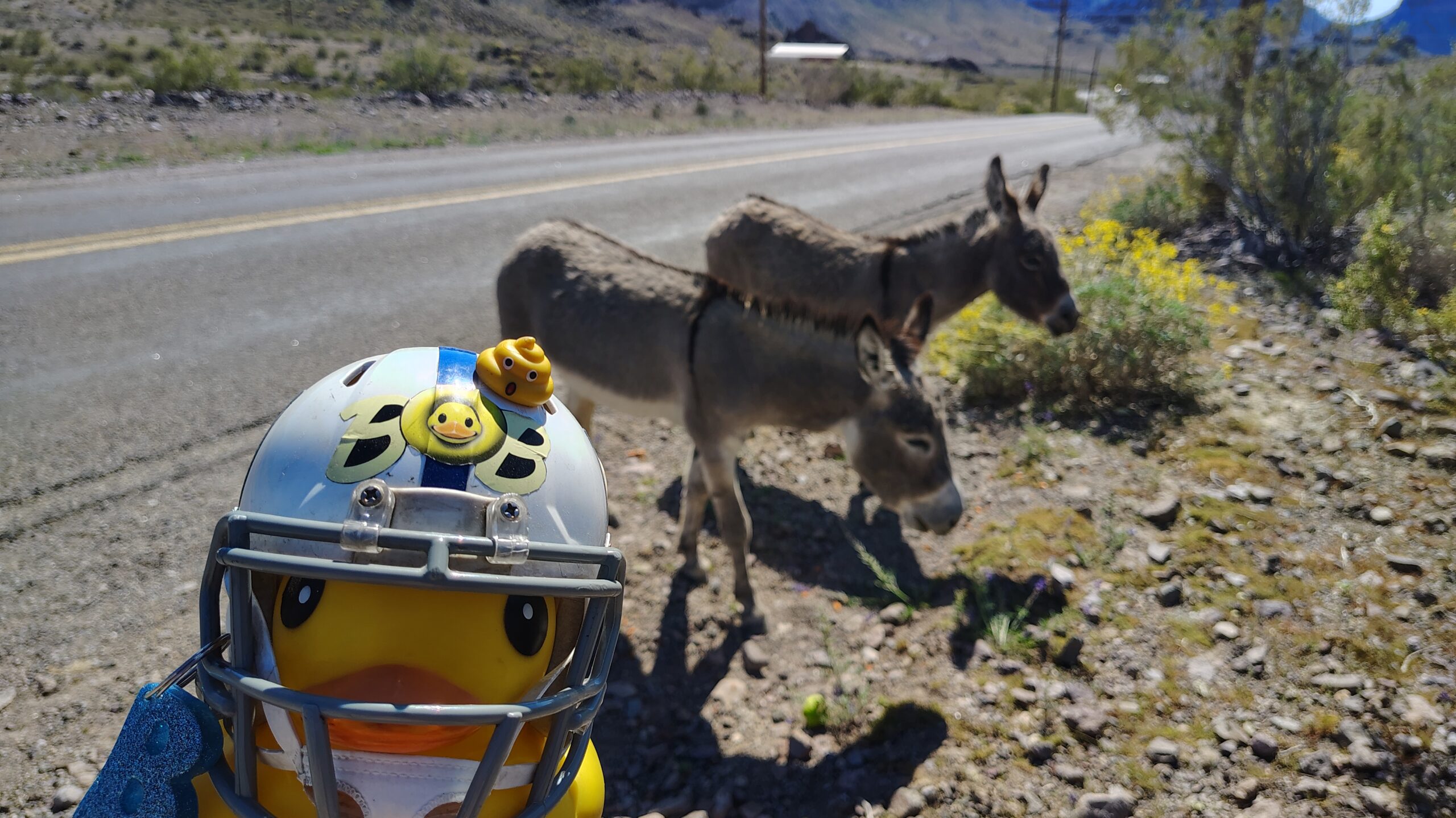
Bob here, tucked snugly on the dash of my human’s car, feeling the thrill of adventure as we cruise from Apache Junction to Las Vegas.
As we zoom along Highway 93, something remarkable happens!
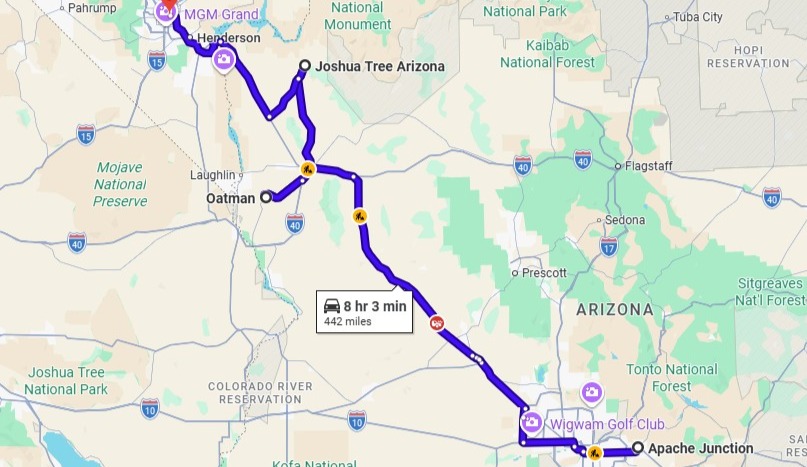

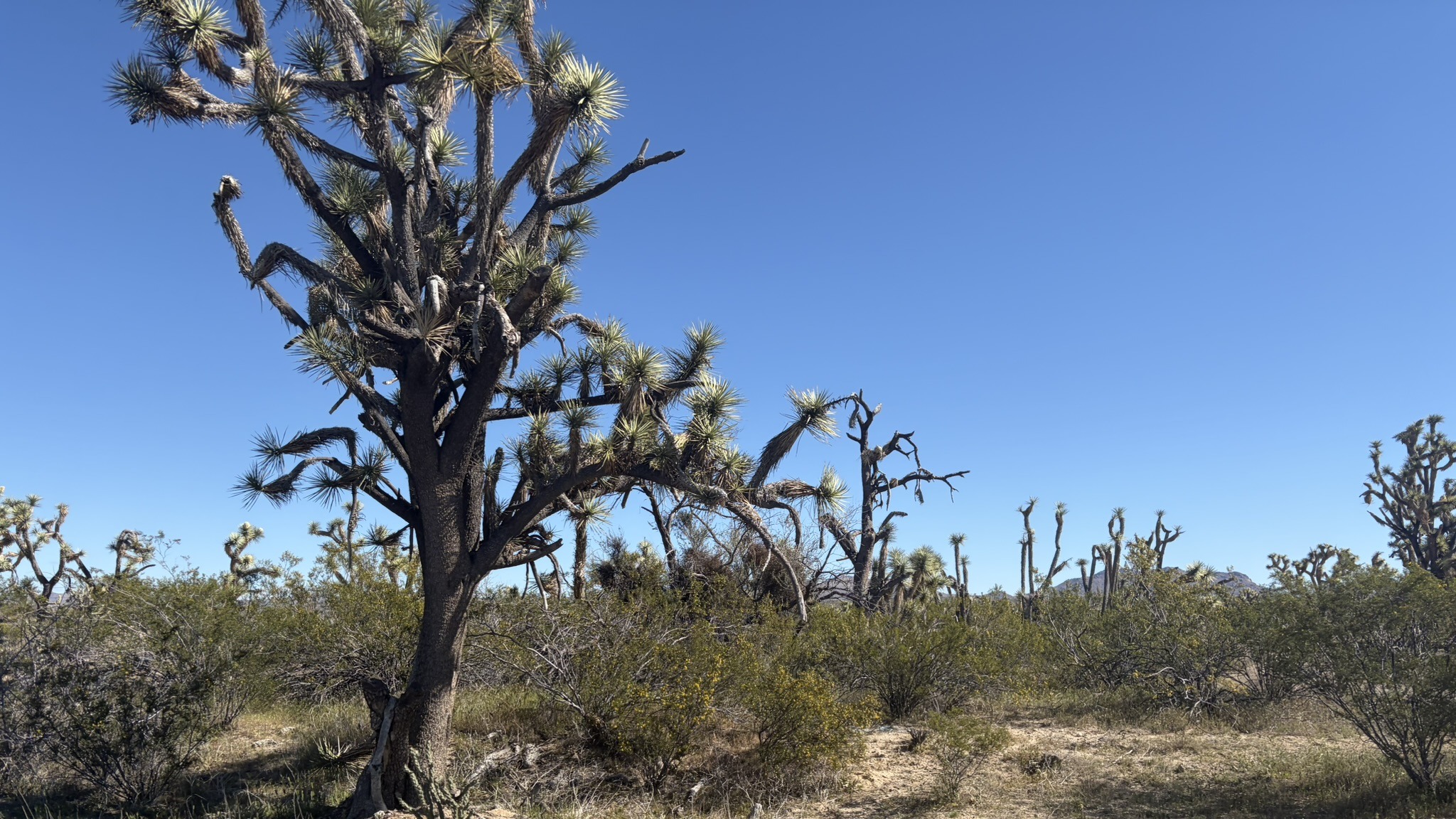
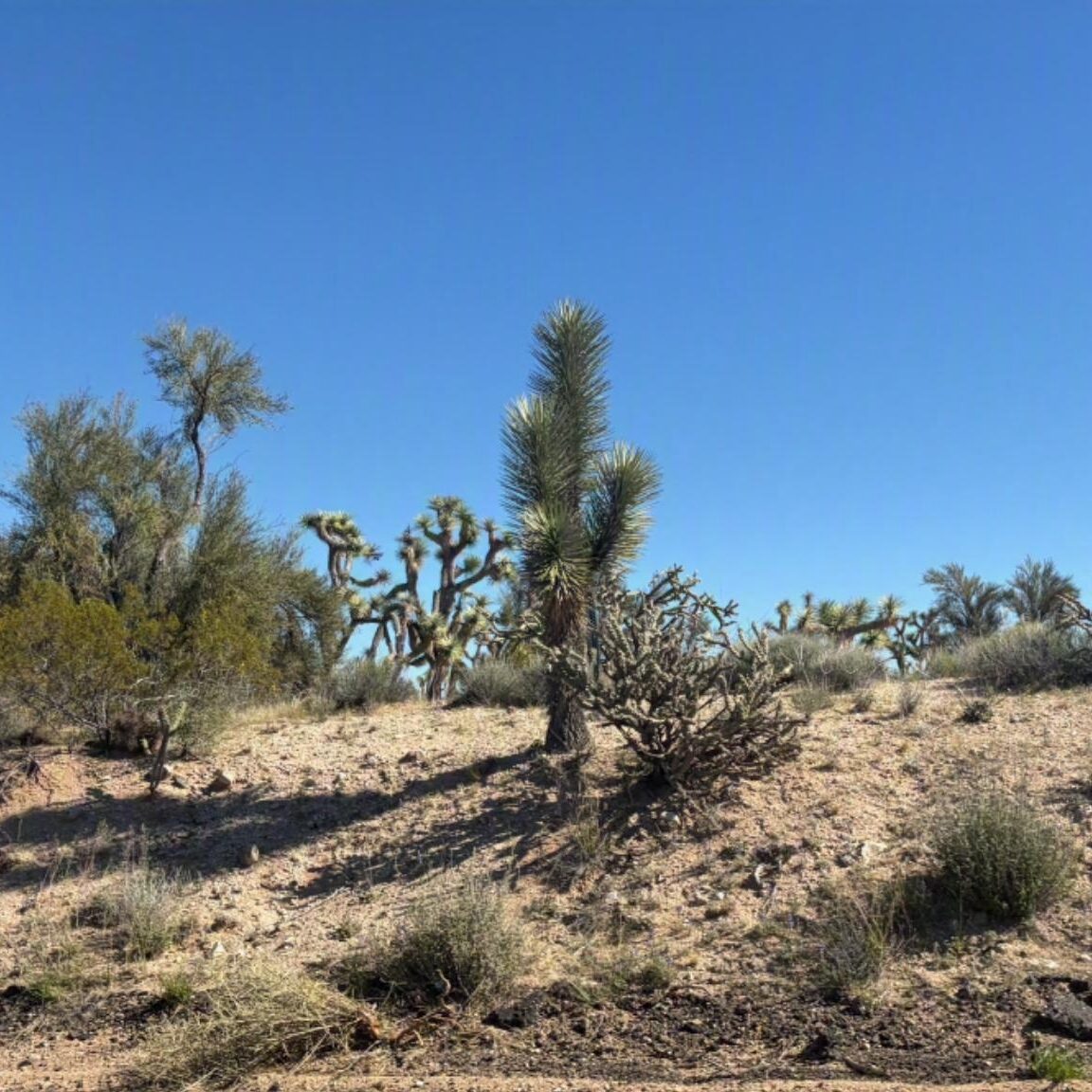
Our surroundings transform from the typical arid desert into a mesmerizing forest of Joshua trees!
It felt as if we’d stumbled into a fantasy world, far from the usual landscapes.
Little did I know that these magnificent trees could thrive right here in Arizona, away from their well-known home in California’s Mojave Desert.
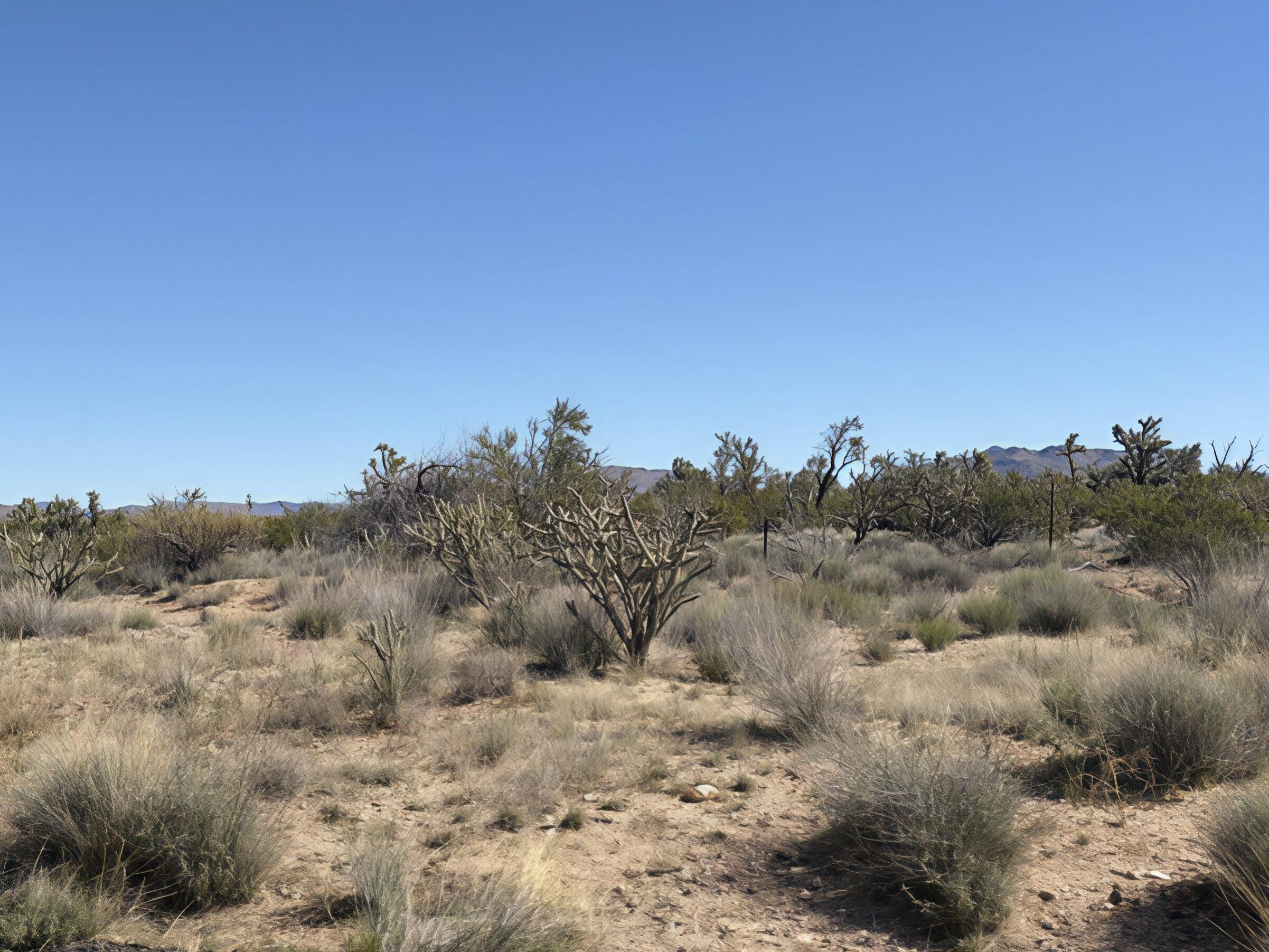
Standing boldly against a cloudless blue sky, the Joshua trees showcase their tall, spiky silhouettes, creating an eerie yet captivating atmosphere that would fit right into a quirky movie.
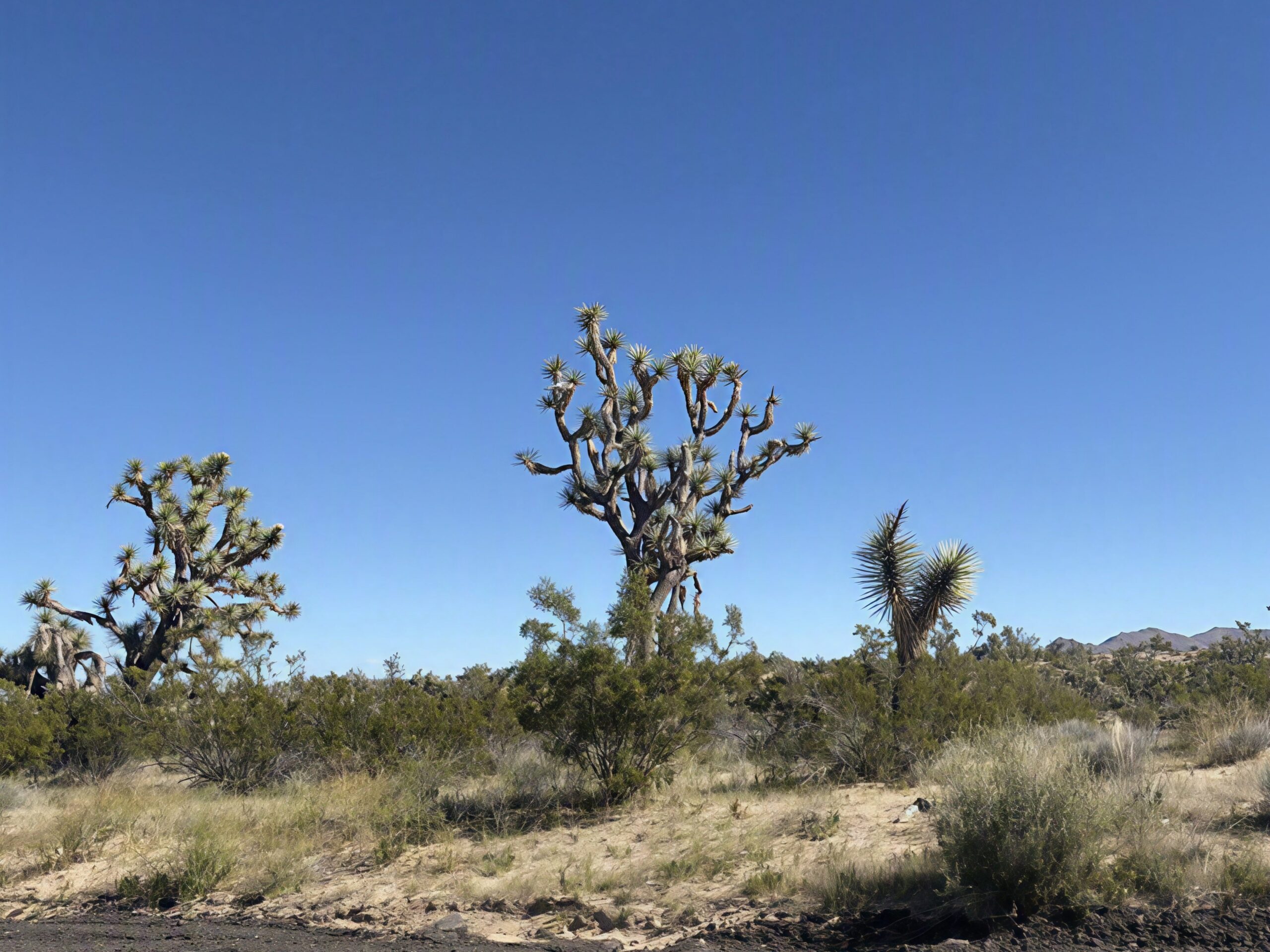
Each tree boasts its own unique shape, twisting and turning in dramatic poses as if vying for my attention.
Can you imagine the creative visions they inspire?
But these trees are not just beautiful; they carry significant cultural history.
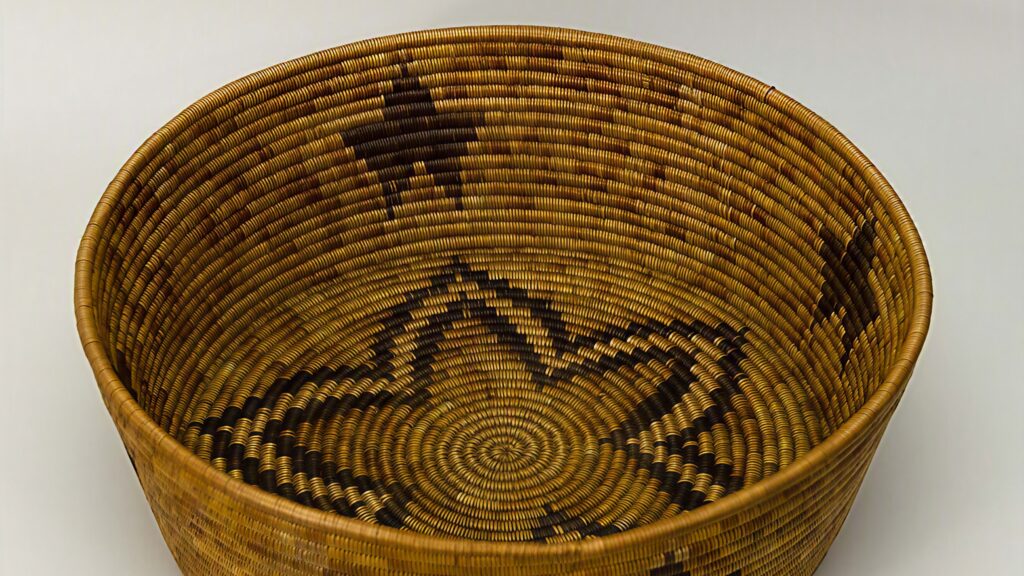
The Cahuilla people, a Native American community native to this region, have used Joshua trees for food and crafts for generations.
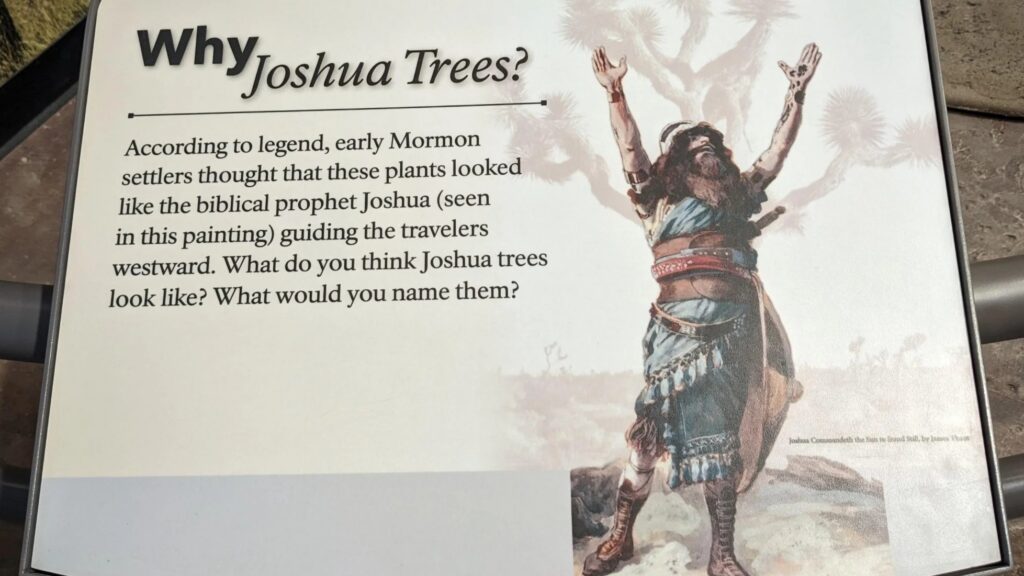
The name “Joshua tree” itself was given by Mormon settlers who thought the branches resembled Joshua from the Bible, leading them onward with their commanding presence.
The Joshua Tree is powerful symbol of perseverance and the stunning beauty found amid the harsh desert.
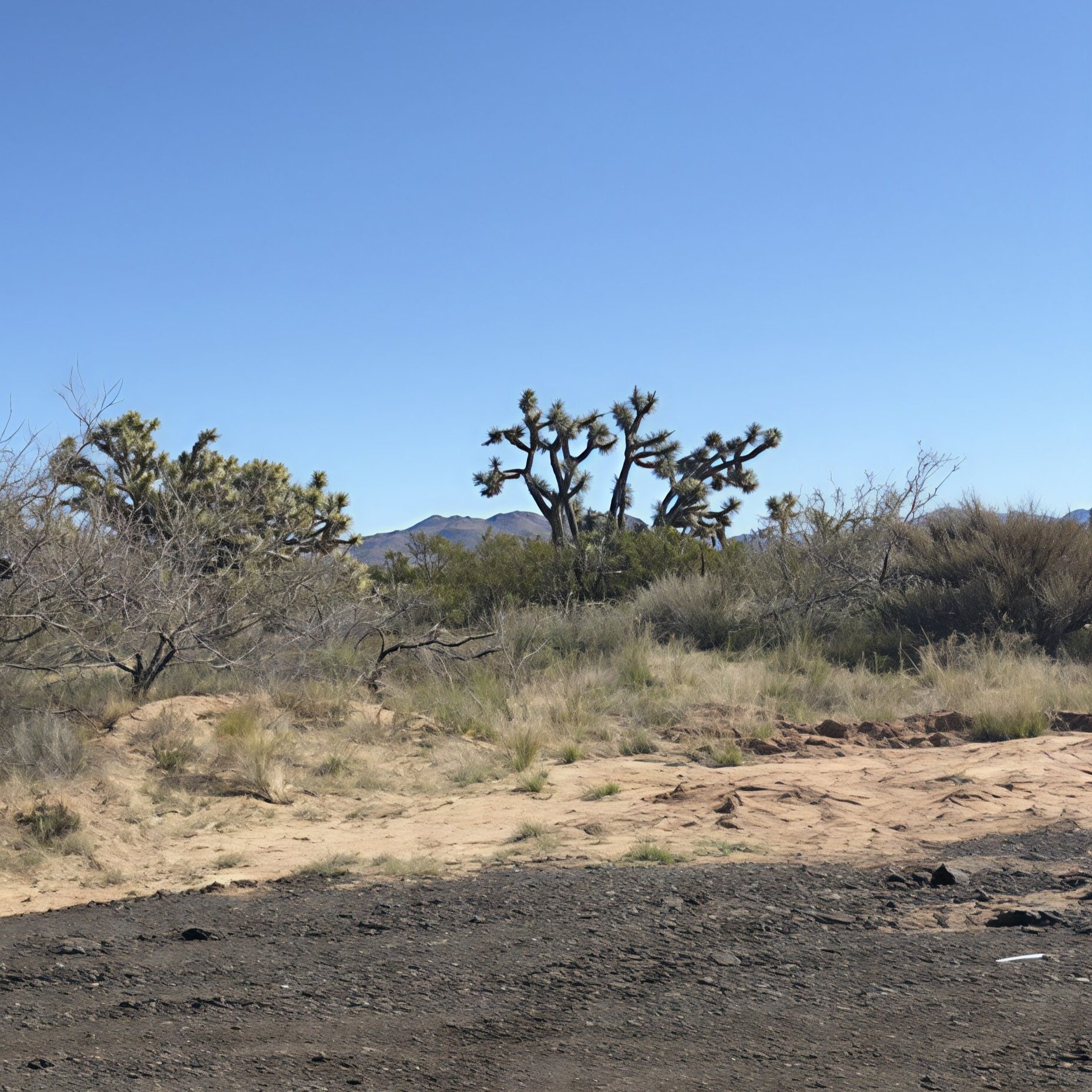
Interestingly, these unique plants are not really trees at all but rather large, resilient succulents in the yucca family.
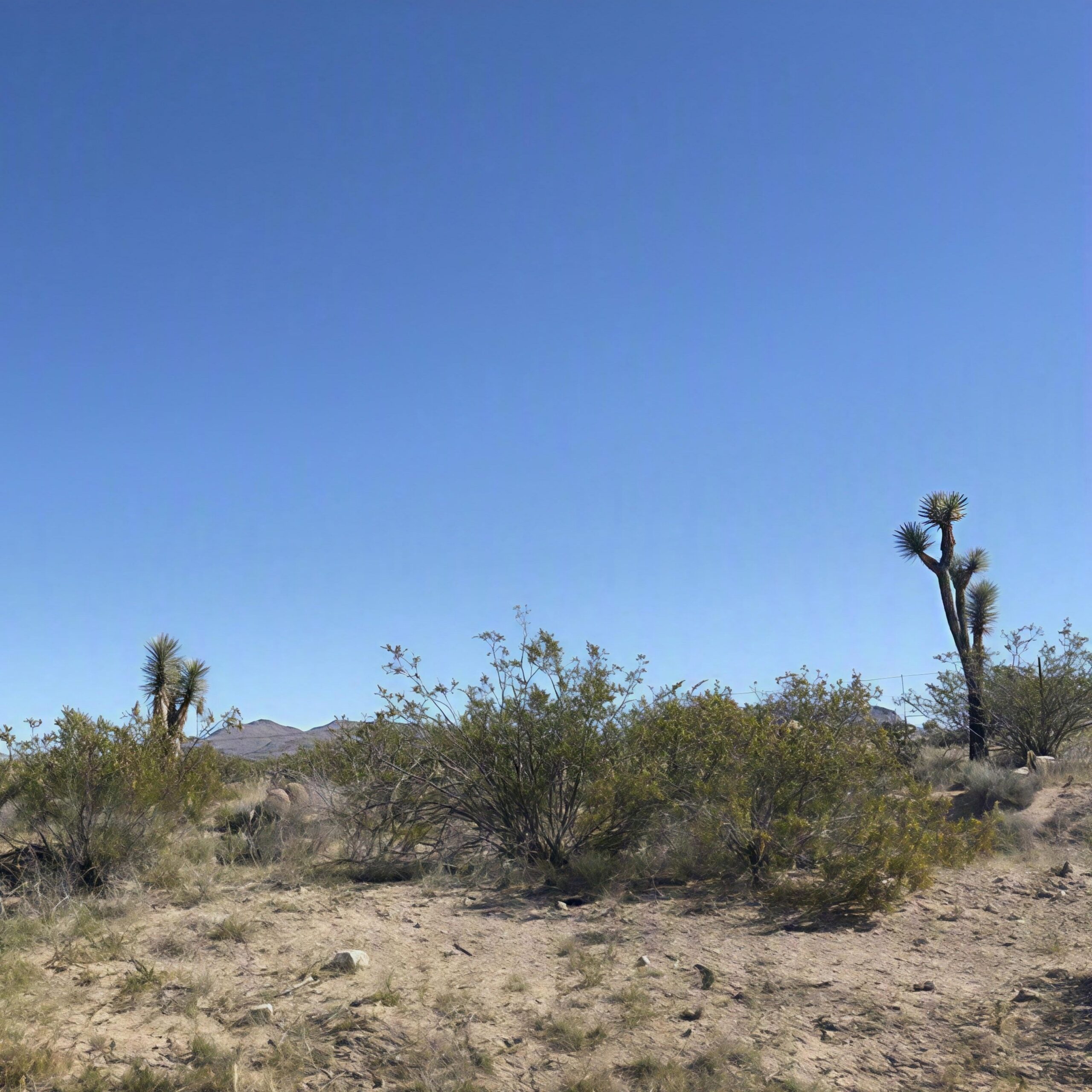
Thriving in the arid conditions of northwestern Arizona at around 4,000 feet elevation, these remarkable plants survive in this special microclimate.
They appear to flourish among volcanic rock and distant mountain ranges that form a surreal backdrop.
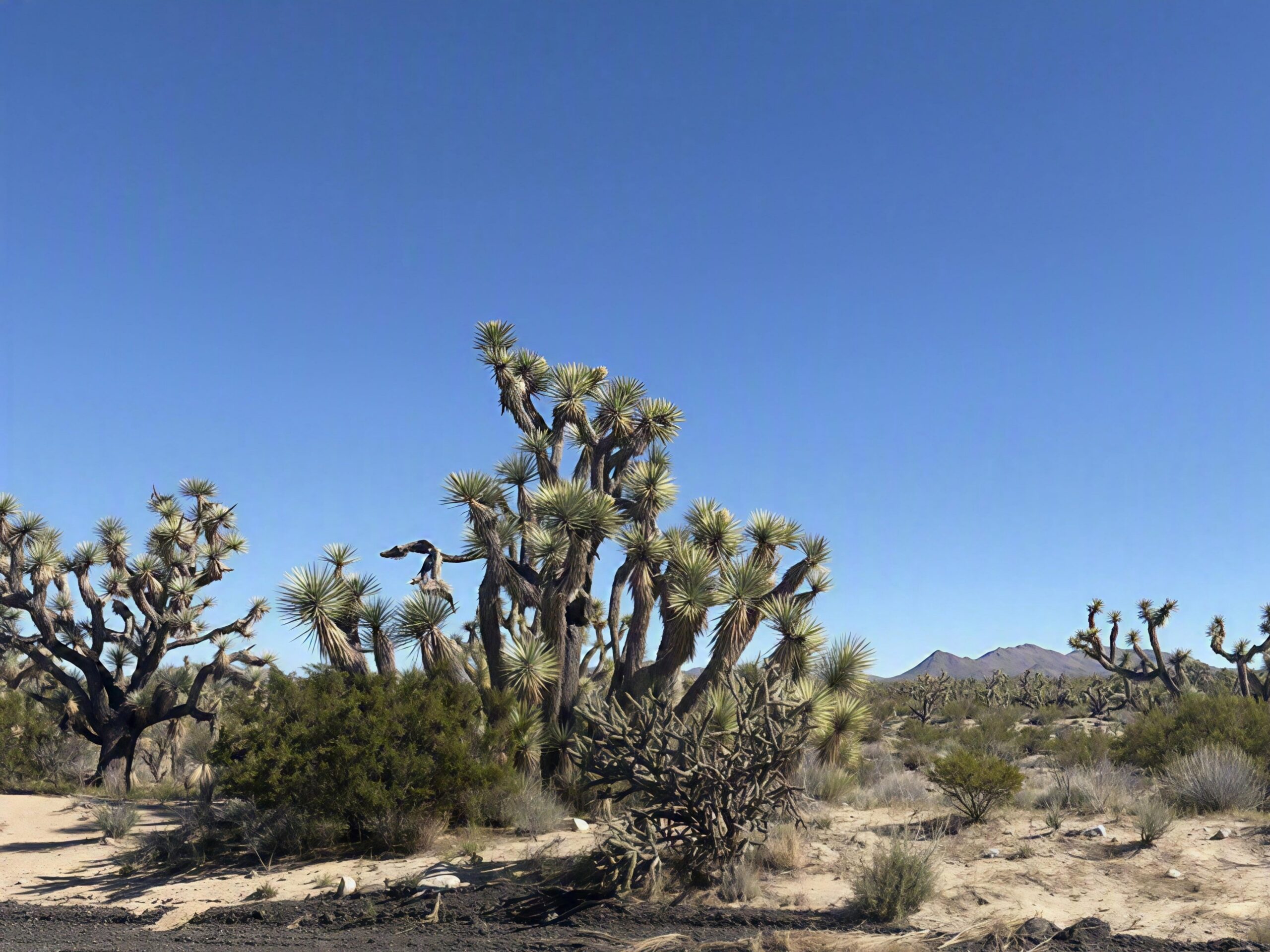
Joshua Trees grow slowly typically at just half an inch to three inches in height each year after their original growth spurt.
Their seeds often require the protective embrace of neighbouring shrubs to germinate under such challenging conditions.
Even at this slow pace of growth, they can reach impressive heights of over 40 feet!
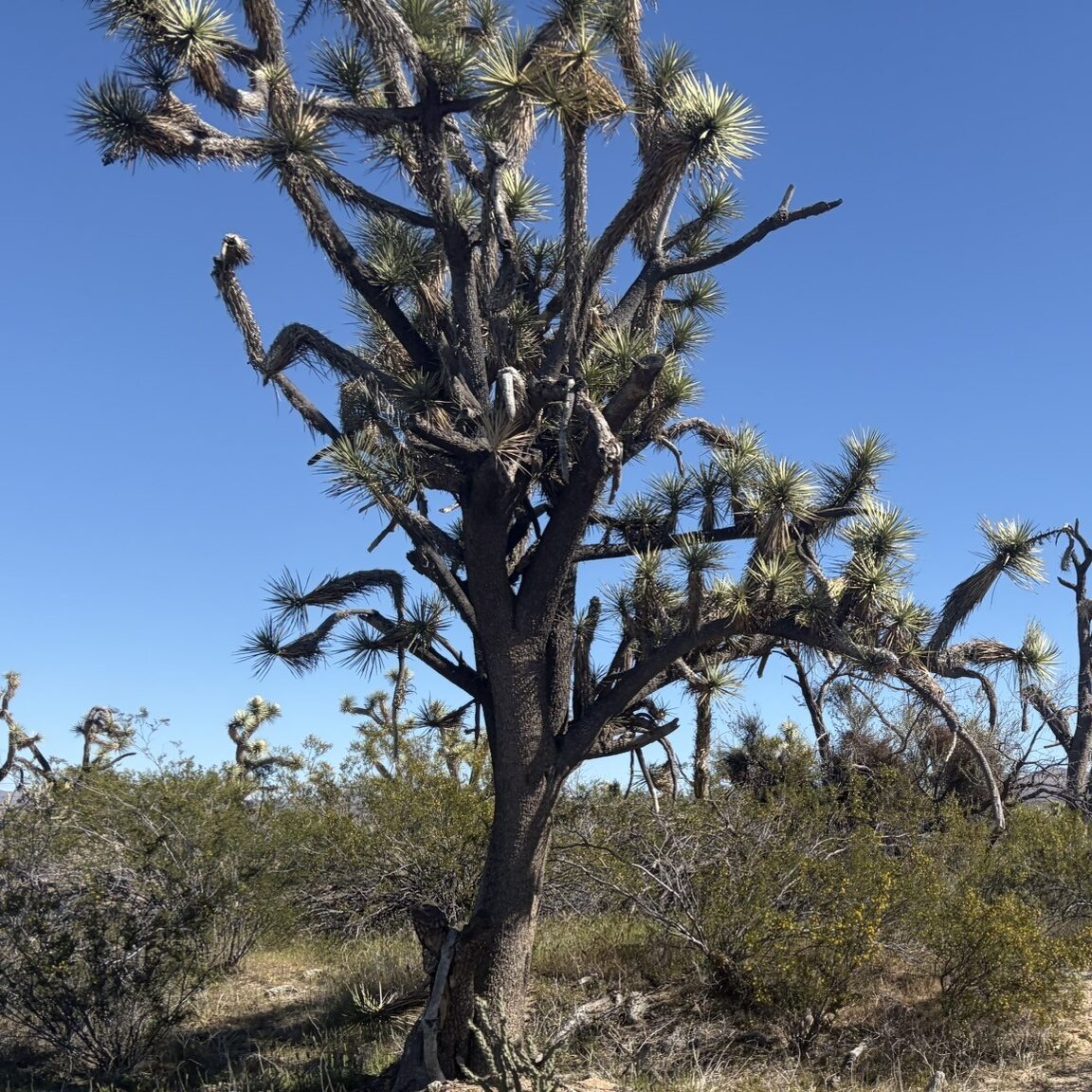
Some live for more than a century and a half, making them true sentinels of the desert!
Their long, sharp leaves conserve precious water, marking them as true survivors.
In spring, the Joshua Tree displays clusters of white flowers that attract friendly pollinators like the yucca moth!
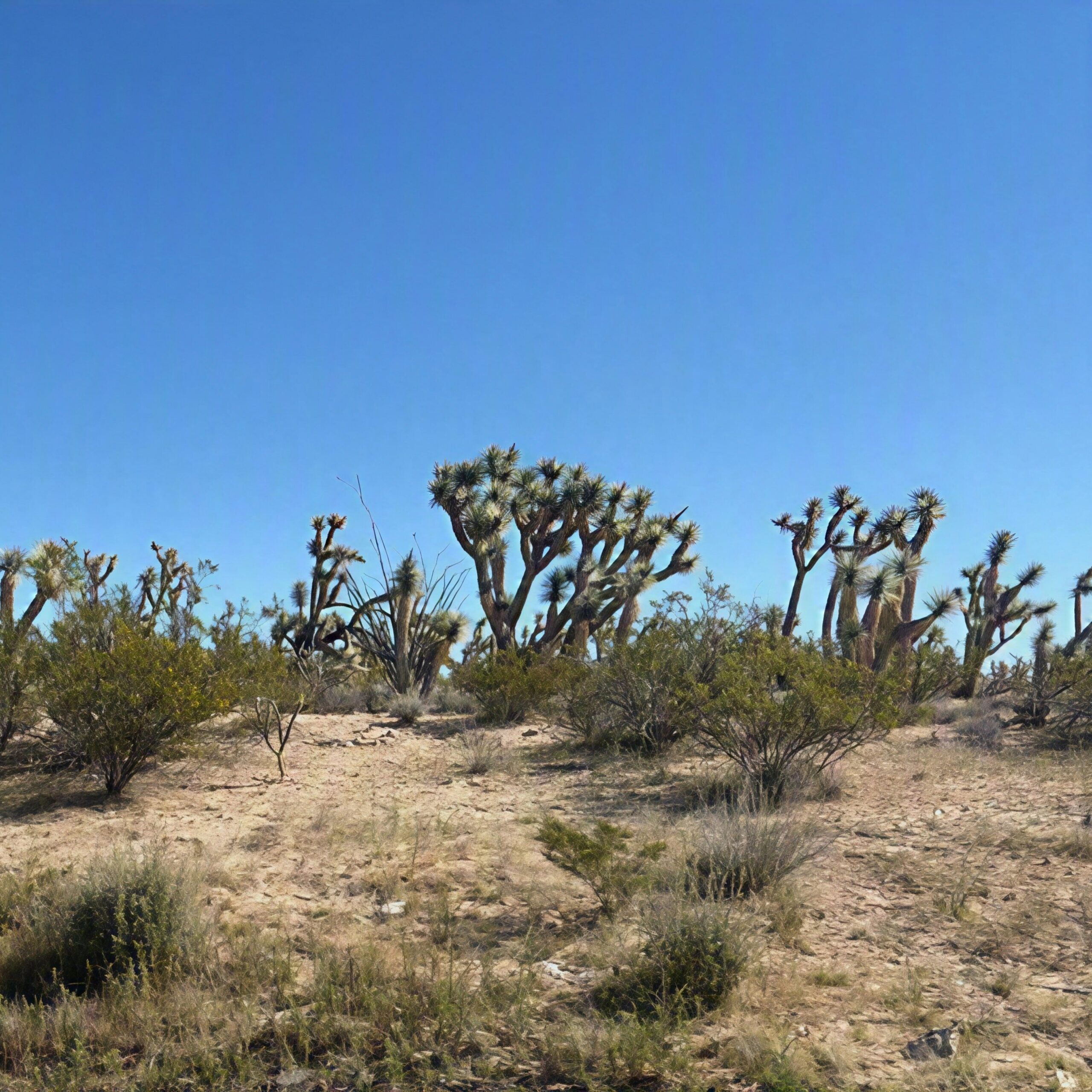
Being surrounded by these iconic trees, I appreciate their vital role in this delicate desert ecosystem.
It’s astonishing to consider how each Joshua tree contributes to the rich biodiversity around it.
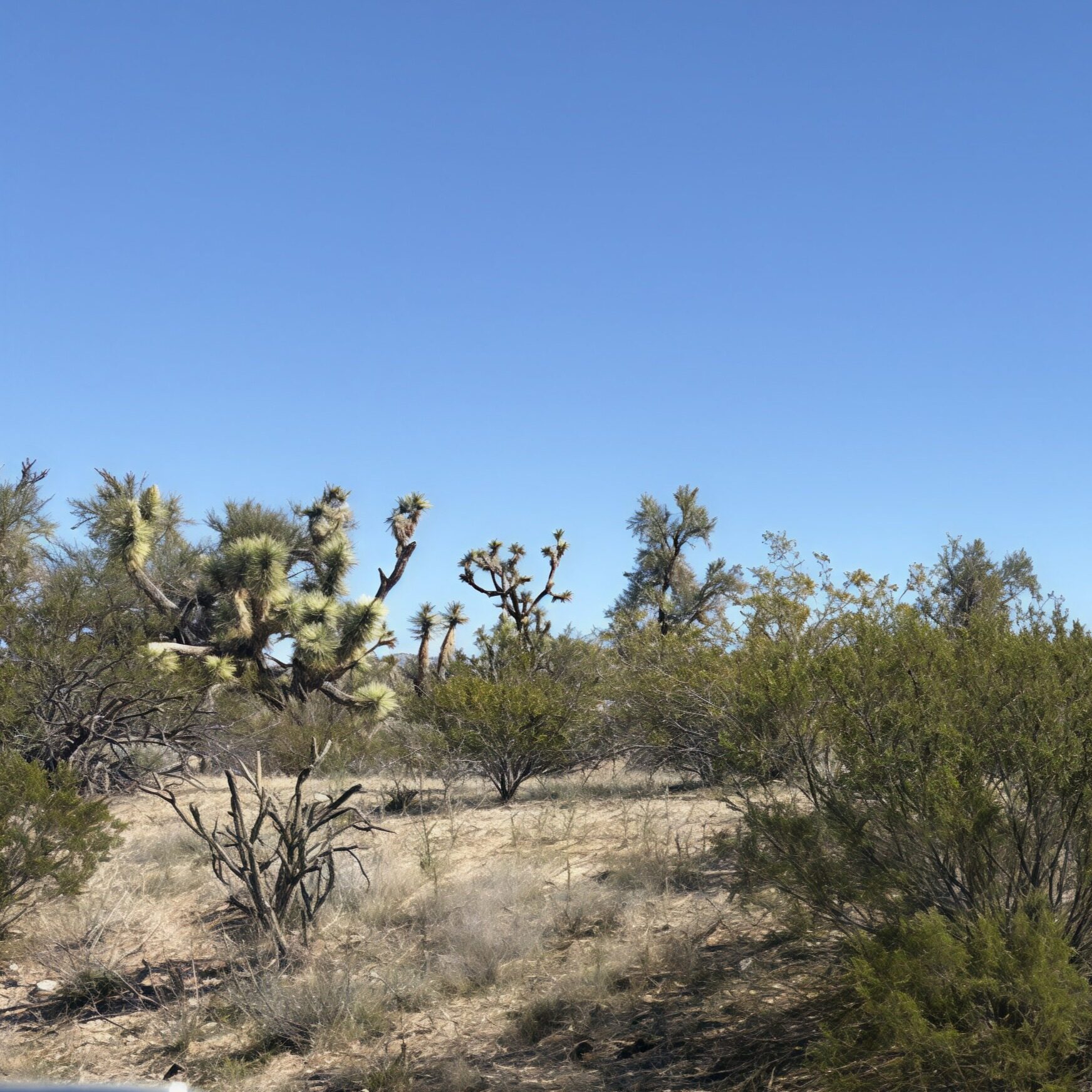
Birds, insects, and even the occasional curious rubber duck like me depend on Joshua Trees!
In that moment of wandering off the beaten path, I realized how wonderful it is to uncover unexpected treasures.
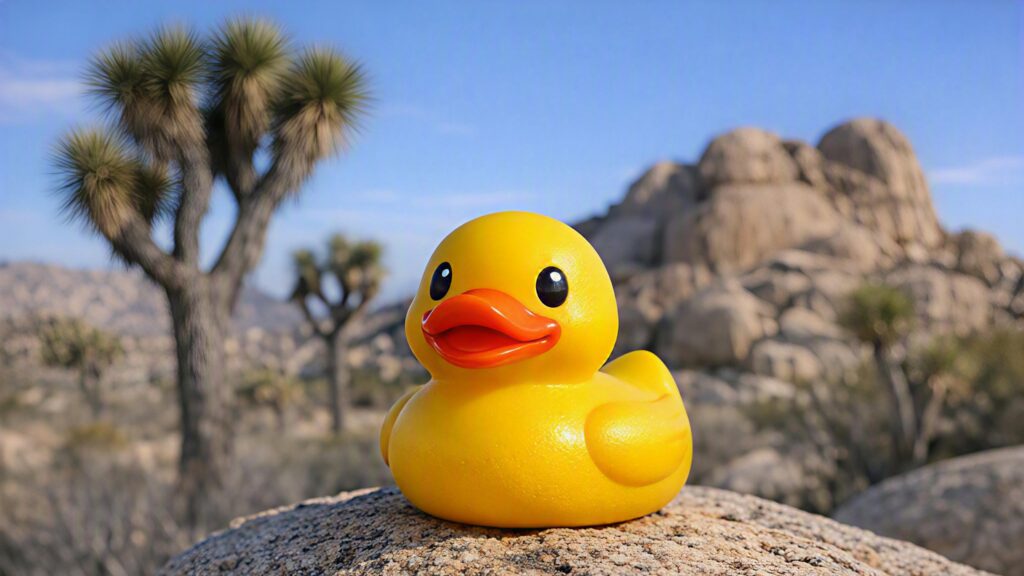
Who wouldn’t want to embark on an adventure to explore this enchanting Joshua Tree Forest in Arizona?
It brings forest bathing to a whole different level!
NEVER MISS A