
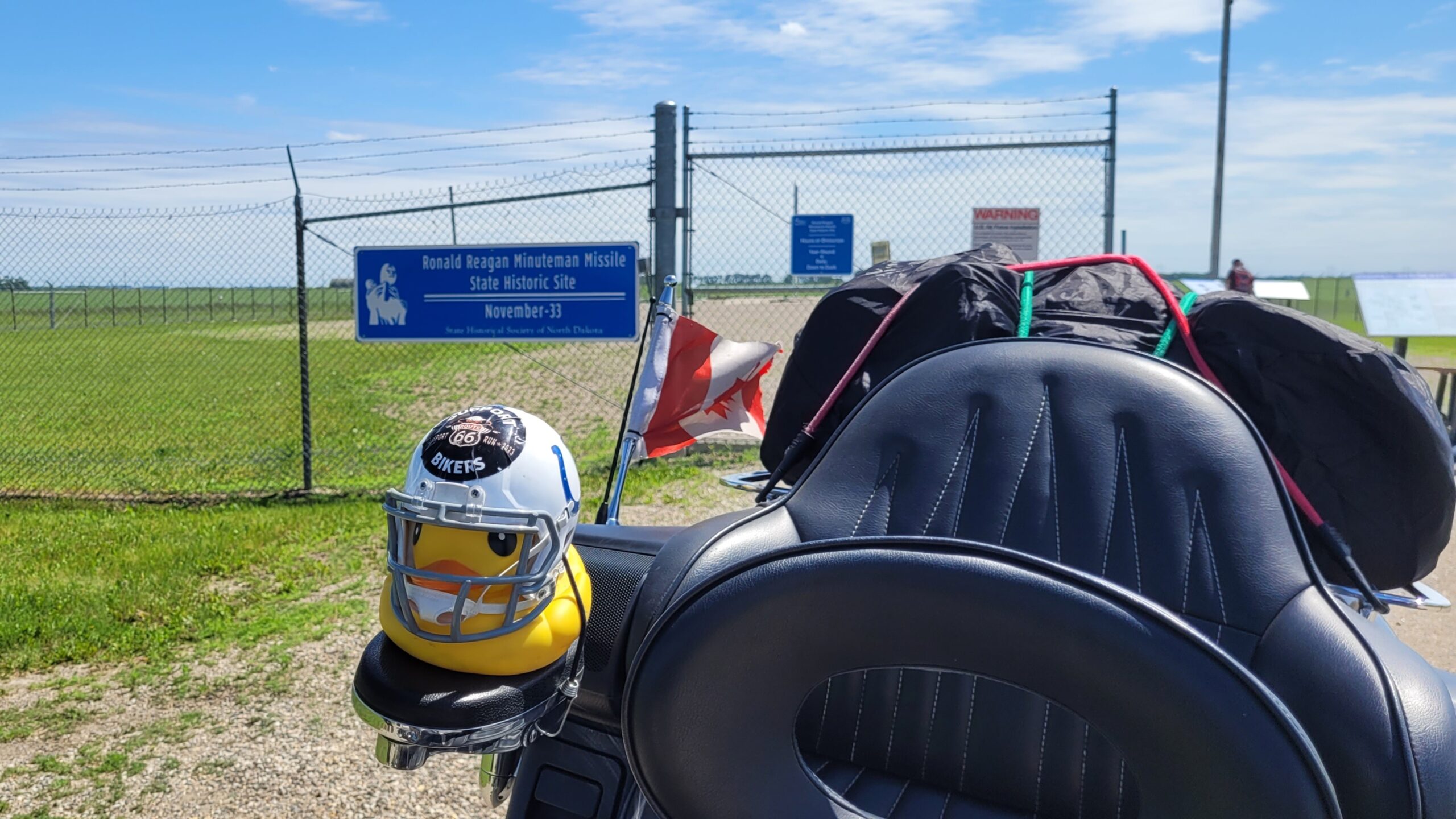
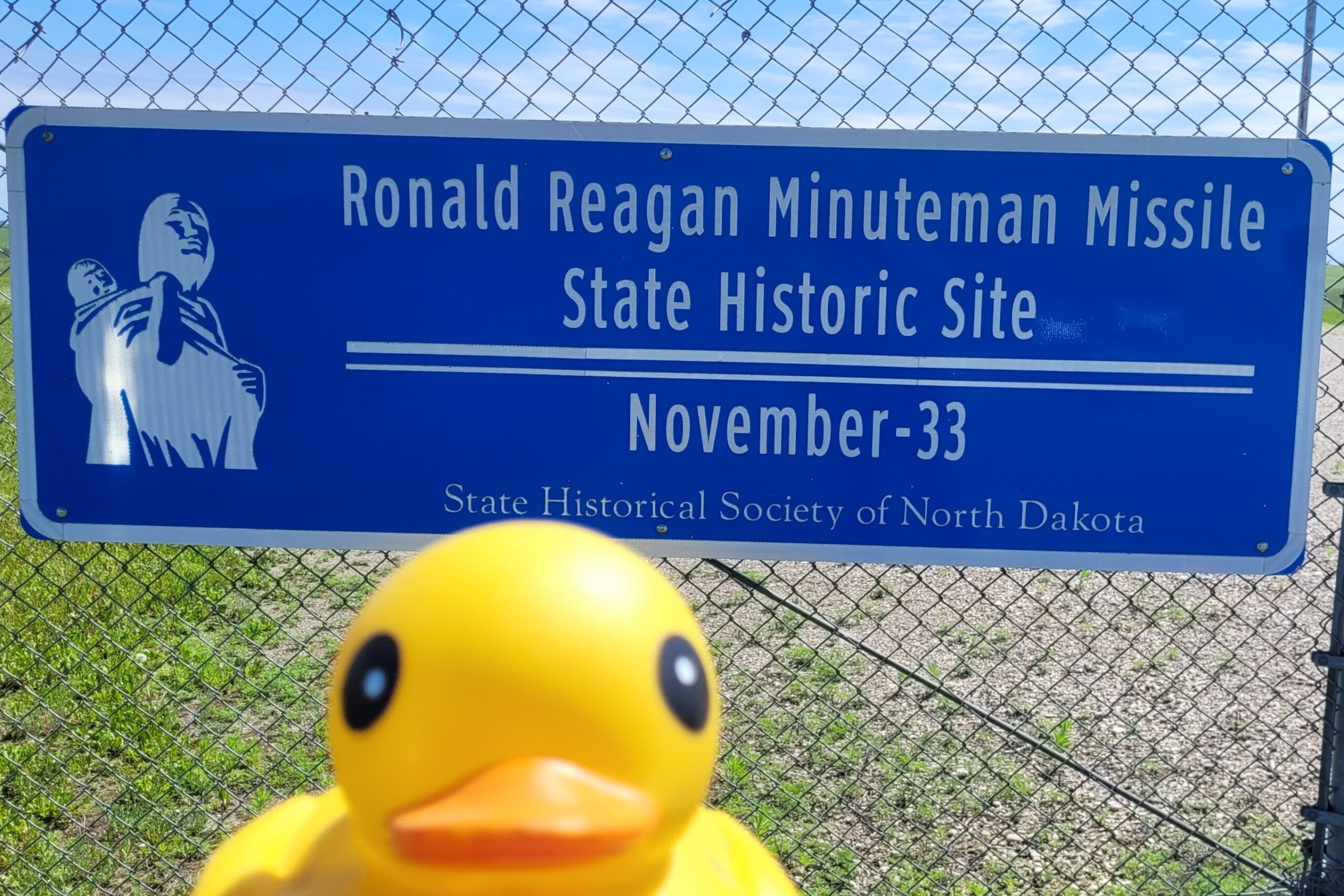
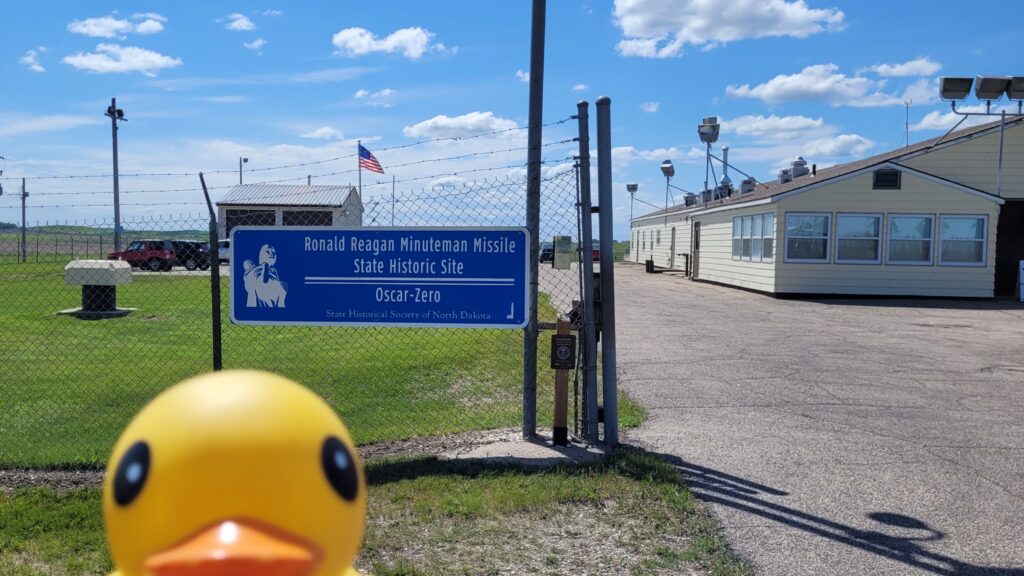
Today, I am wading into the tales of history with my trusty human companions at the legendary Ronald Reagan Minuteman Missile Silos.
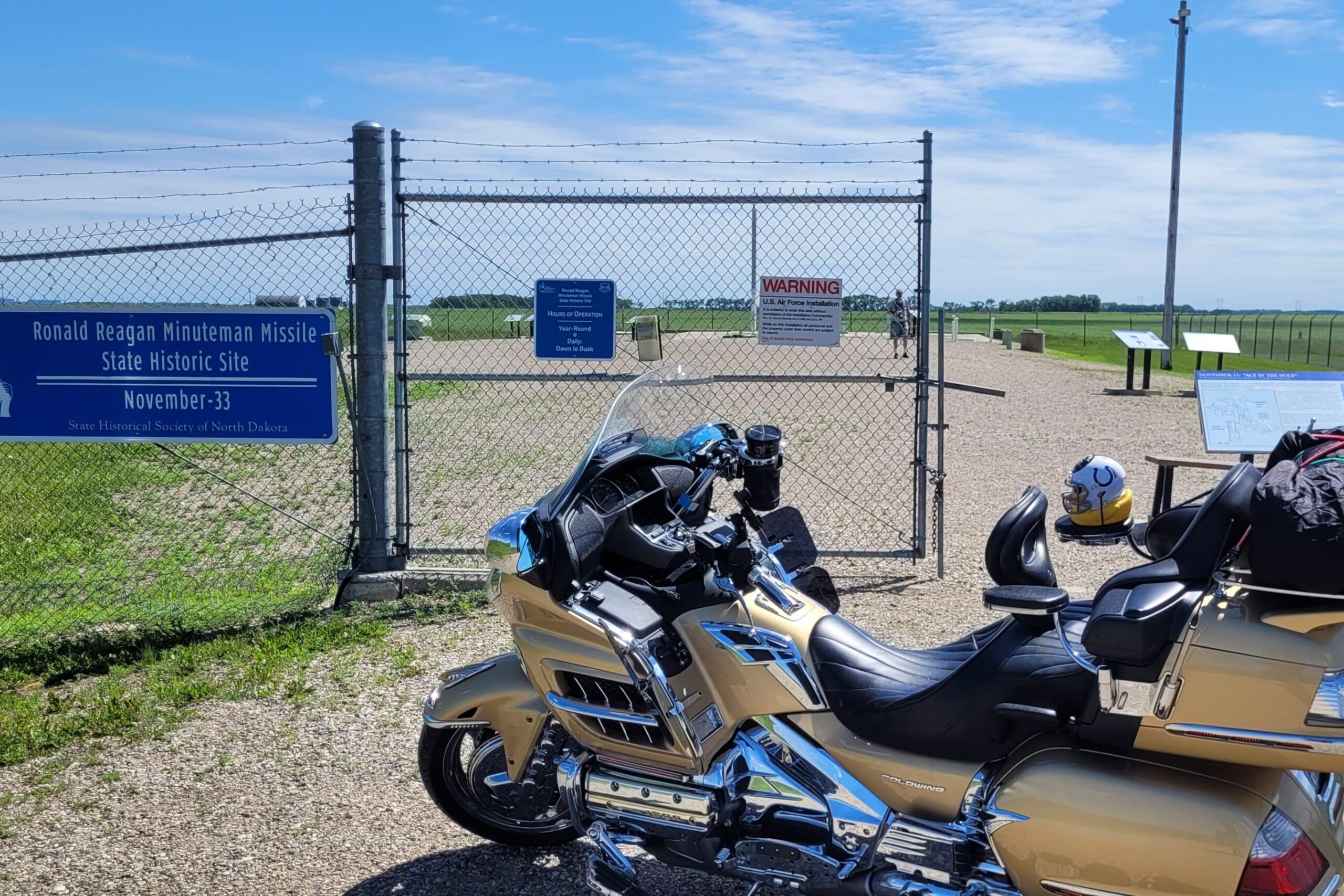
I was travelling with brave U.S. military veterans near Cooperstown, North Dakota, who made the visit even more meaningful.
The air was thick with curiosity, and I quacked in excitement as the stories began to unfold around me.
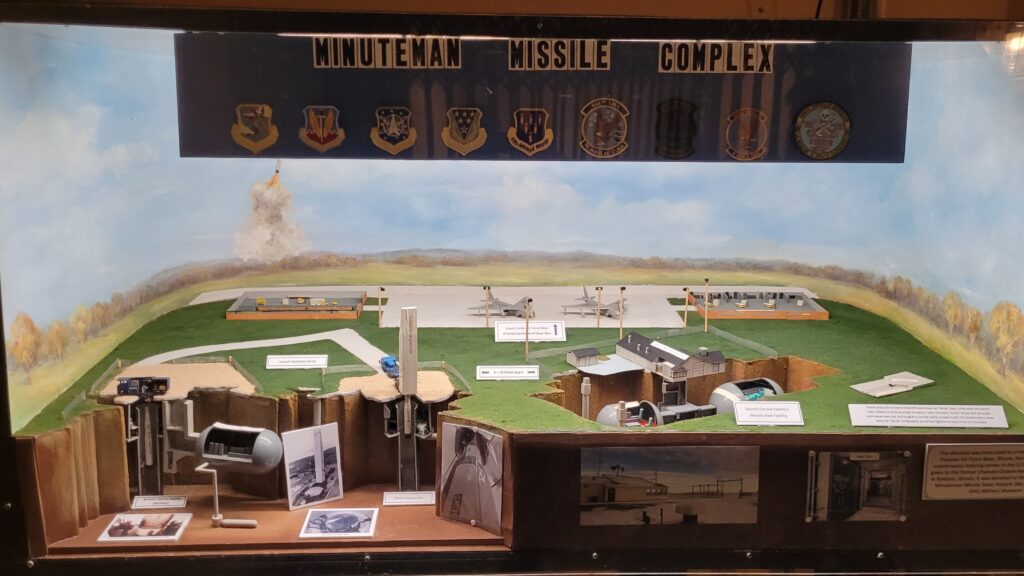
Originally built during the height of the Cold War, these silos were part of the U.S. Army’s Minuteman missile system.
This system was a critical deterrent against the towering threat of nuclear conflict, particularly from the Soviet Union.
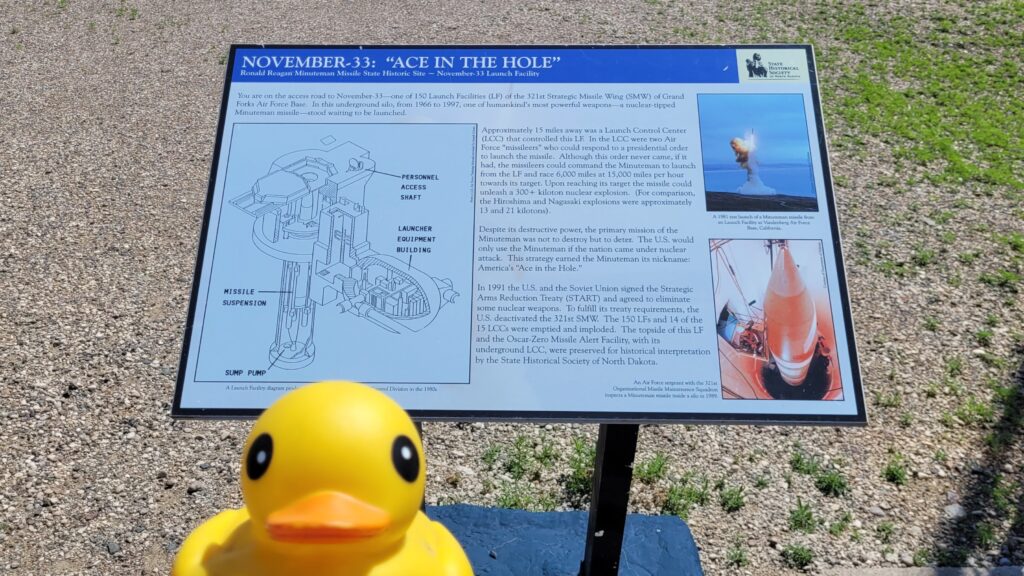
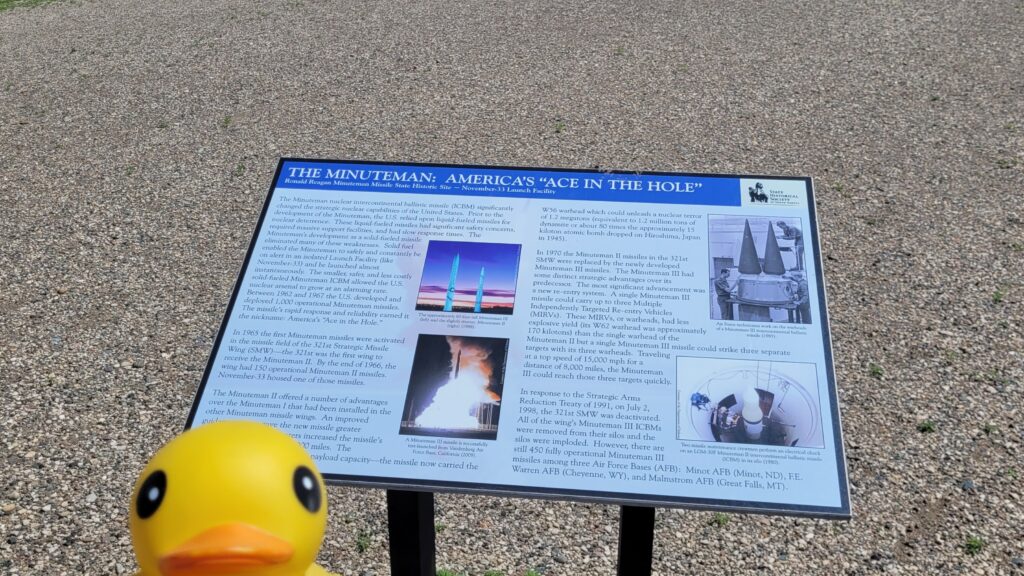
Established in the early 1960s, this strategic network aimed to provide a swift counterstrike capability.
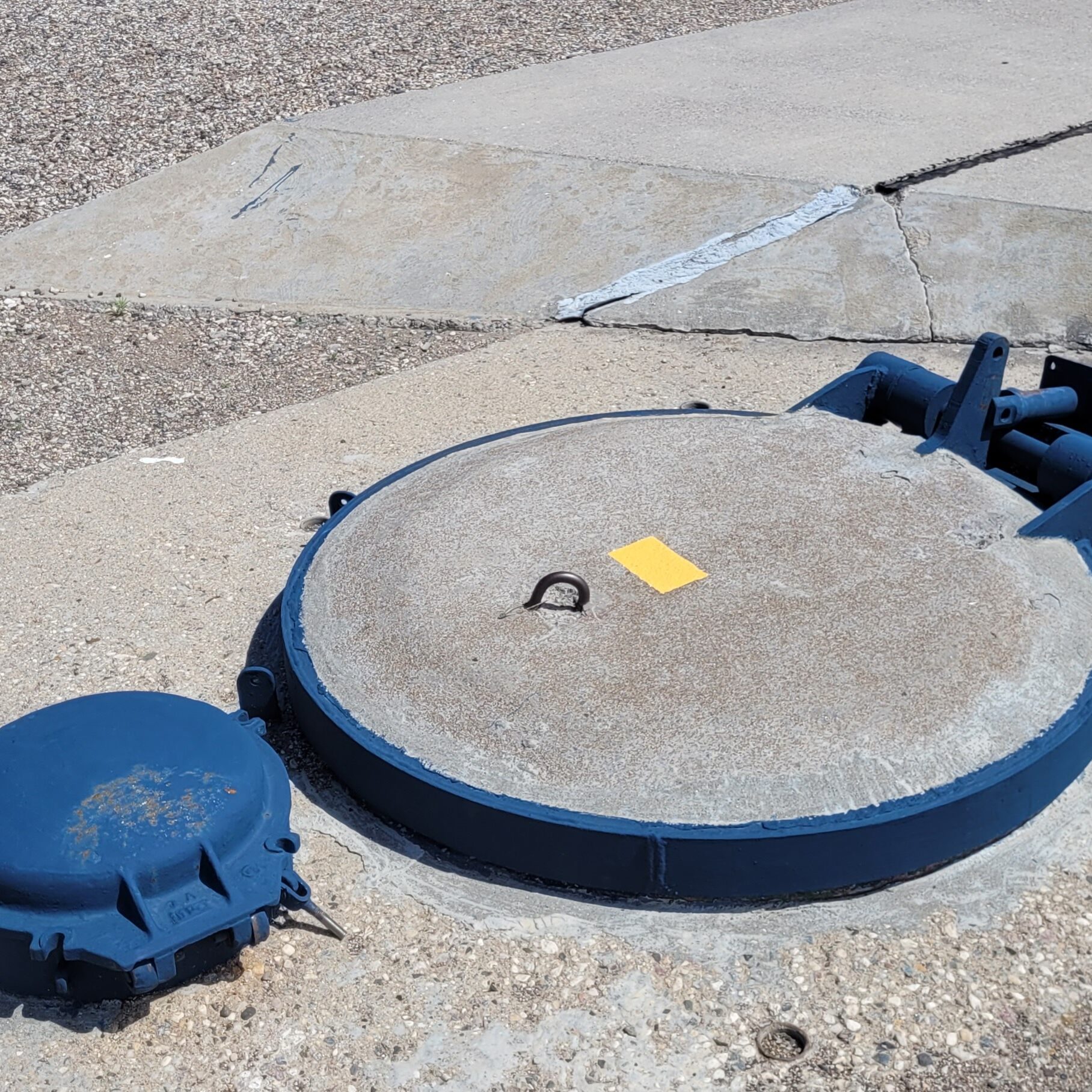
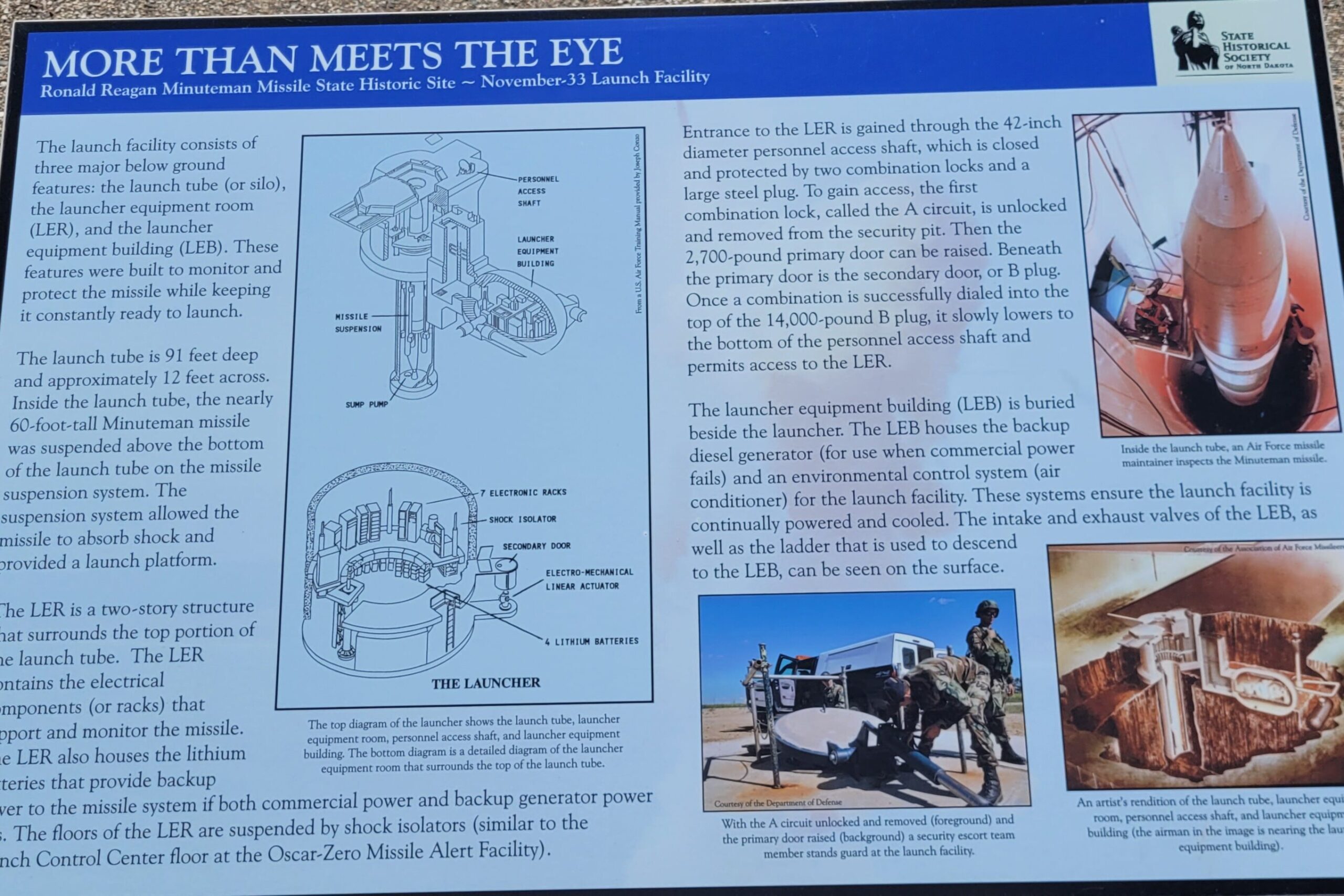
The Minuteman missiles, capable of being launched within minutes, were deeply buried beneath the surface. Hidden from sight and fortified to withstand a first strike.
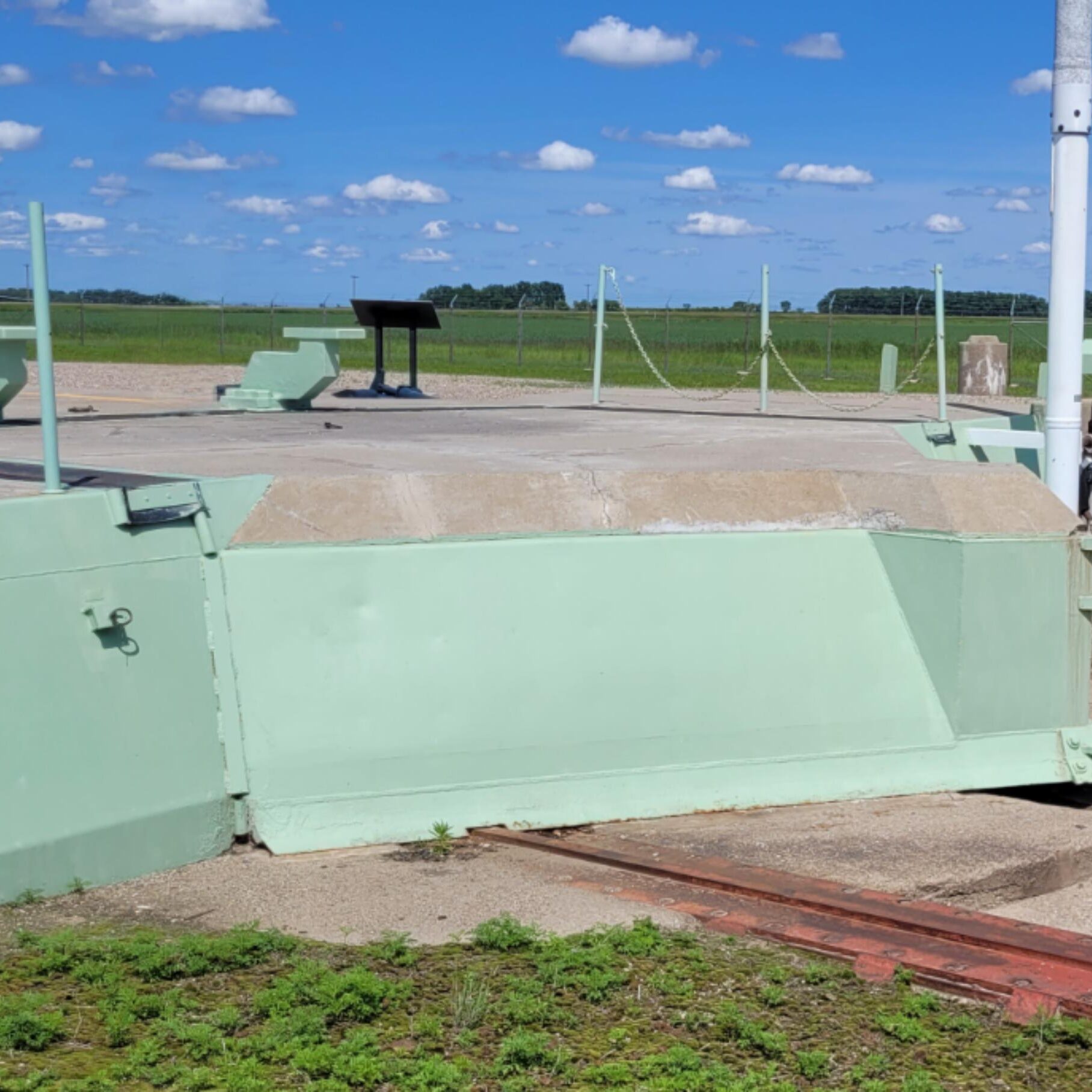
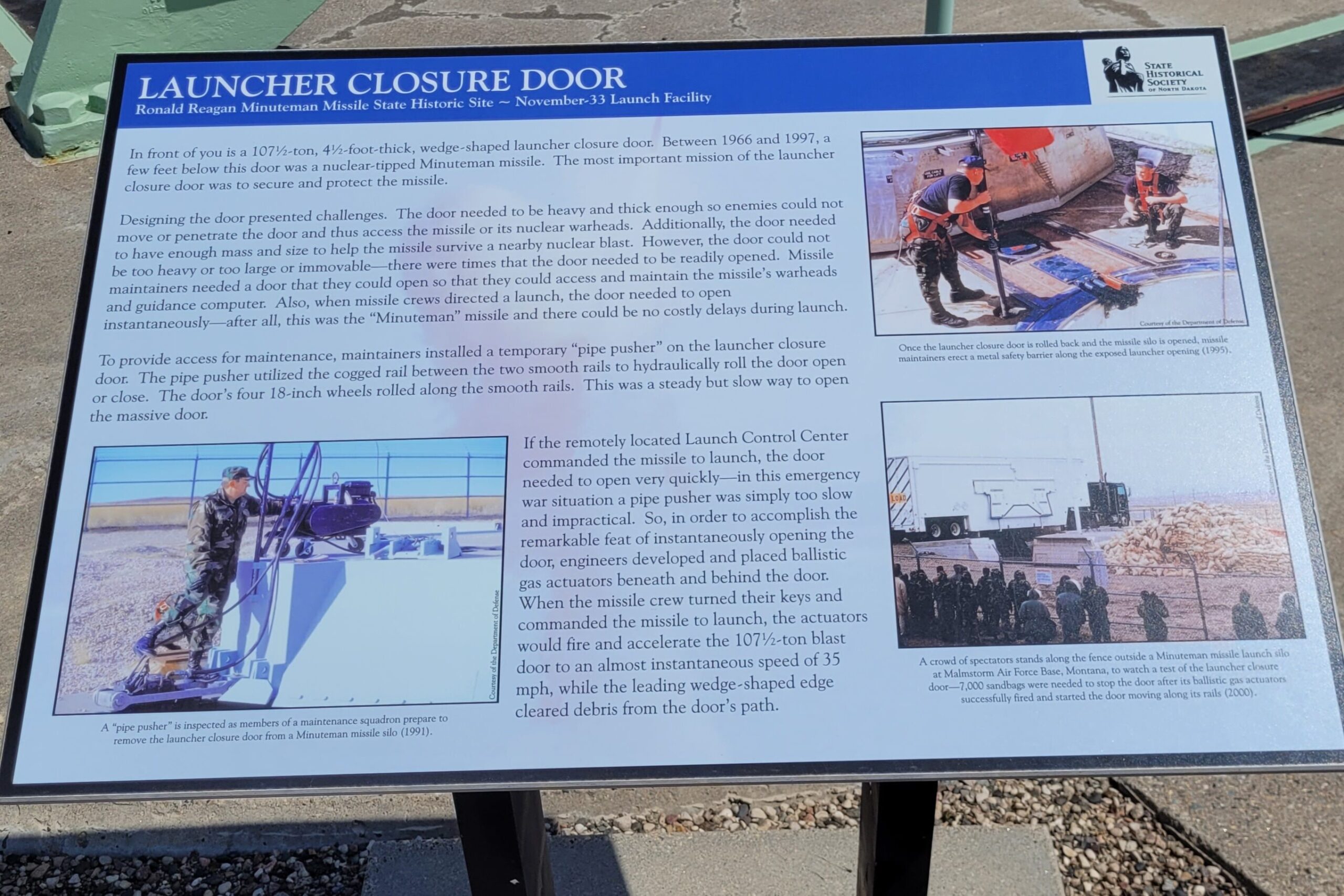
The silos themselves were a marvel of engineering. Hardened concrete structures that housed the missiles ensured they remained safe and operational even in the direst of circumstances.
Each silo was equipped with advanced technology that enabled remote missile launches.
A pair of Air Force officers would be stationed in a command capsule, constantly on alert. Ready to respond at a moment’s notice. Just imagining all that technology beneath my little duck flippers sent shivers of awe through me!
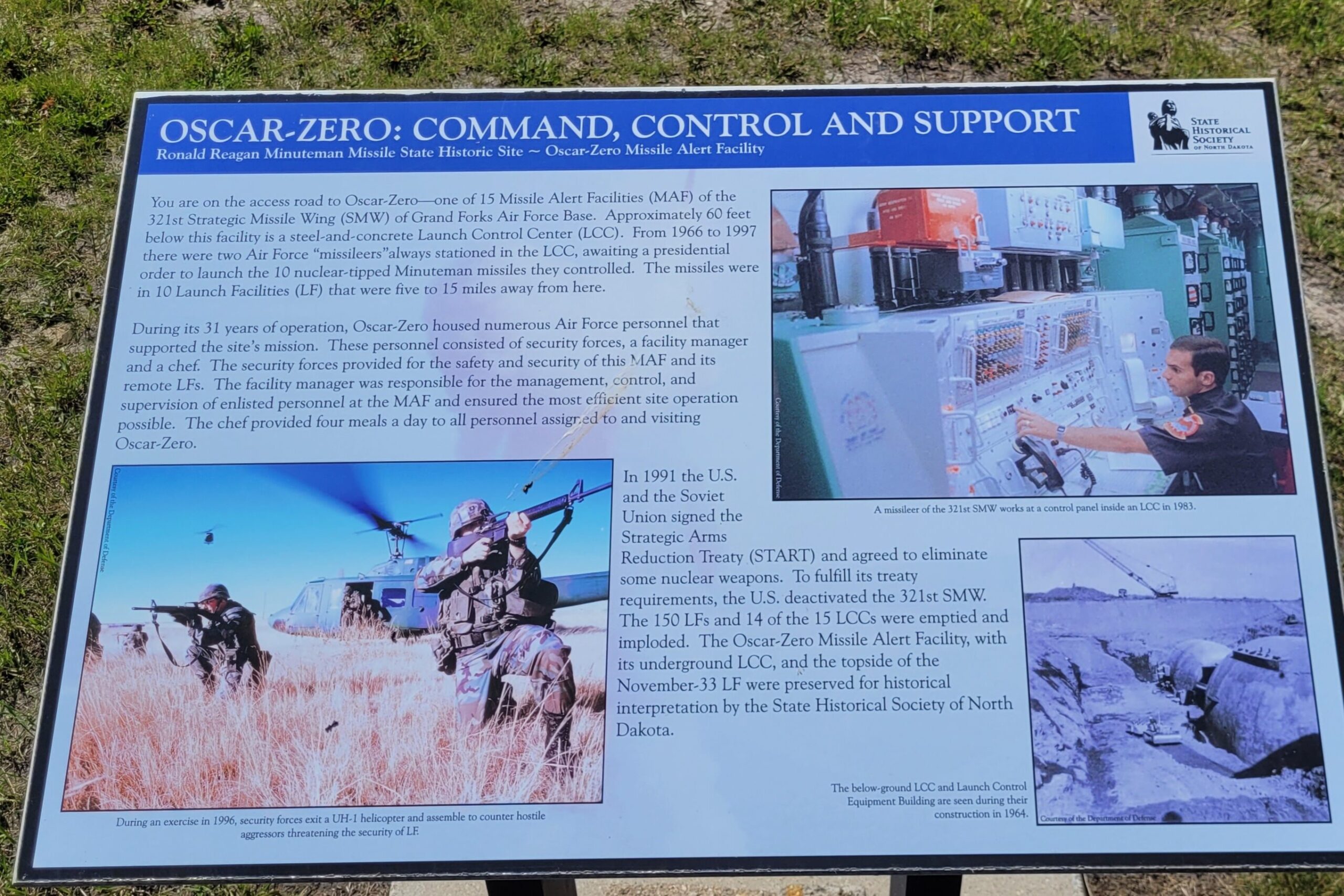
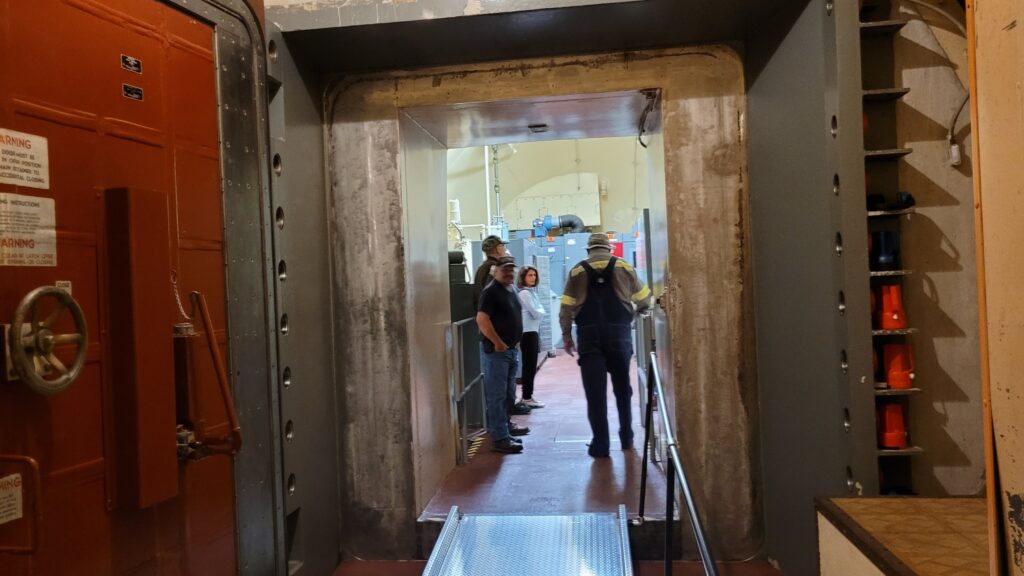
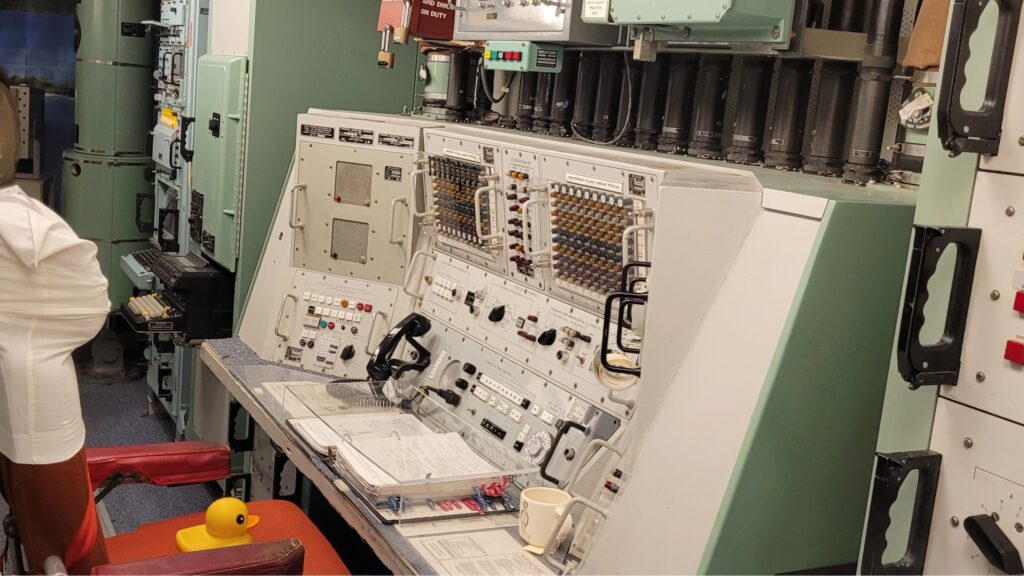
The operation of these sites continued with rigorous protocols, ensuring both security and functionality.
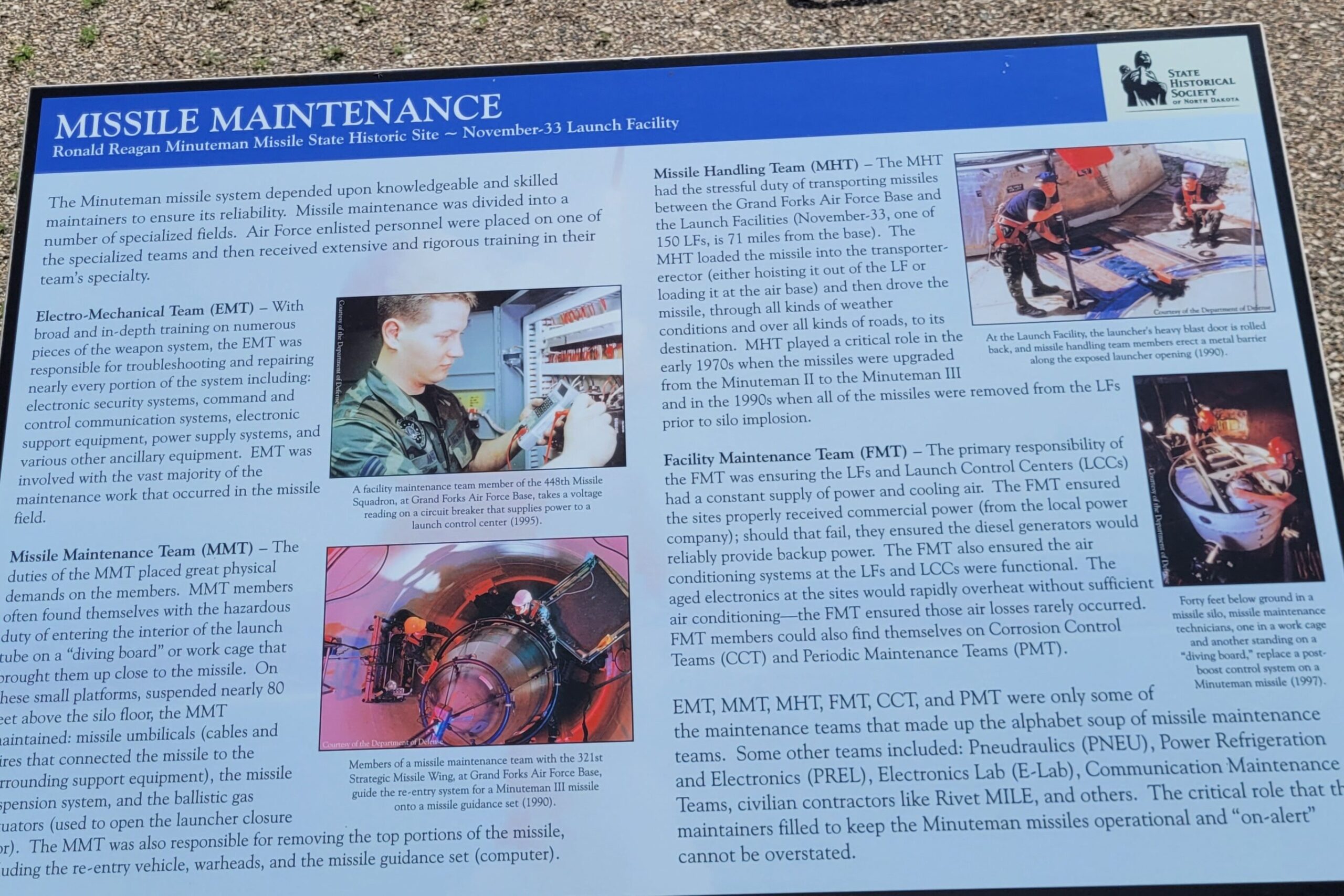
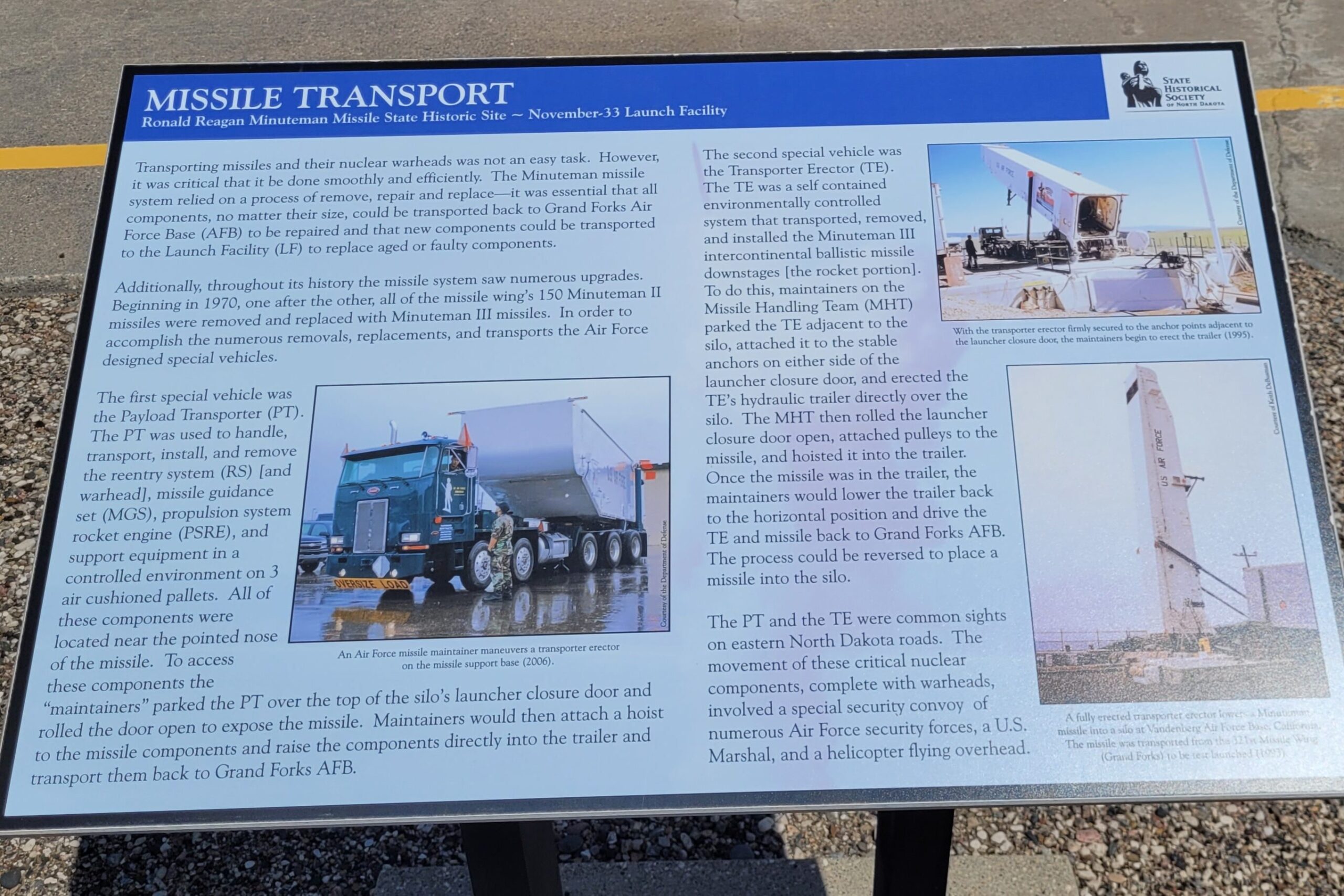
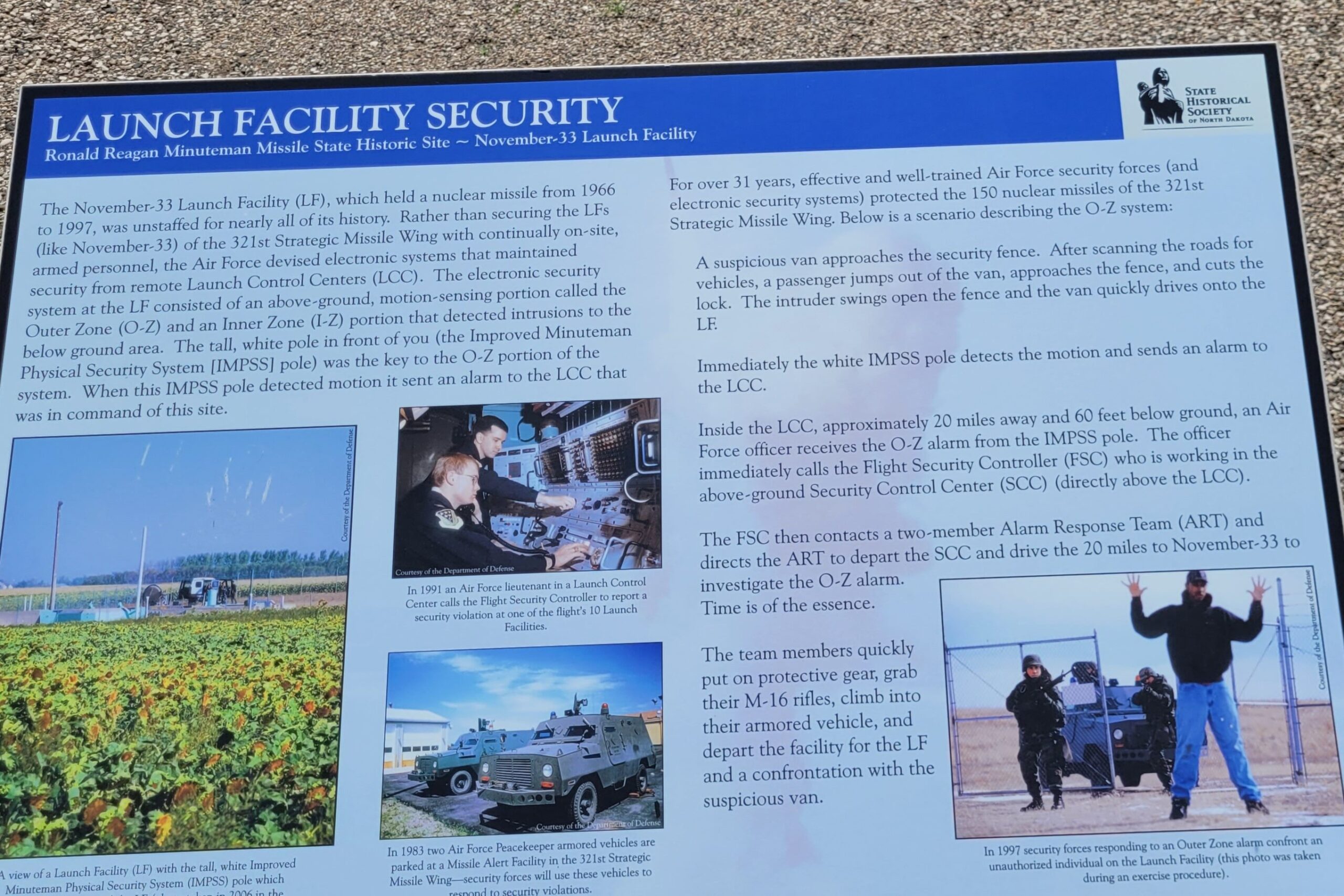
Each missile silo was equipped with multiple safety measures to prevent unauthorized access. I must say, it was a little ominous but entirely necessary.
The veterans in our group appreciated the heavy burden of responsibility borne by those who guarded these missile systems.
As history marched onward, the presence of these missile silos came to symbolize the shifting tides of global relations.
With the Cold War extending into the late 1980s, there was a sense of urgency, yet also a growing desire for peace.
In 1983, the Reagan administration chose to modernize the nuclear arsenal and missile systems.
Ironically, the very name “Reagan” set a new tone for discussions around nuclear arms, pushing nations towards disarmament rather than conflict.
By the late 1990s, relations with former adversaries had evolved. The vintage technology became less relevant, and the decision to decommission the silos marked the end of an era.
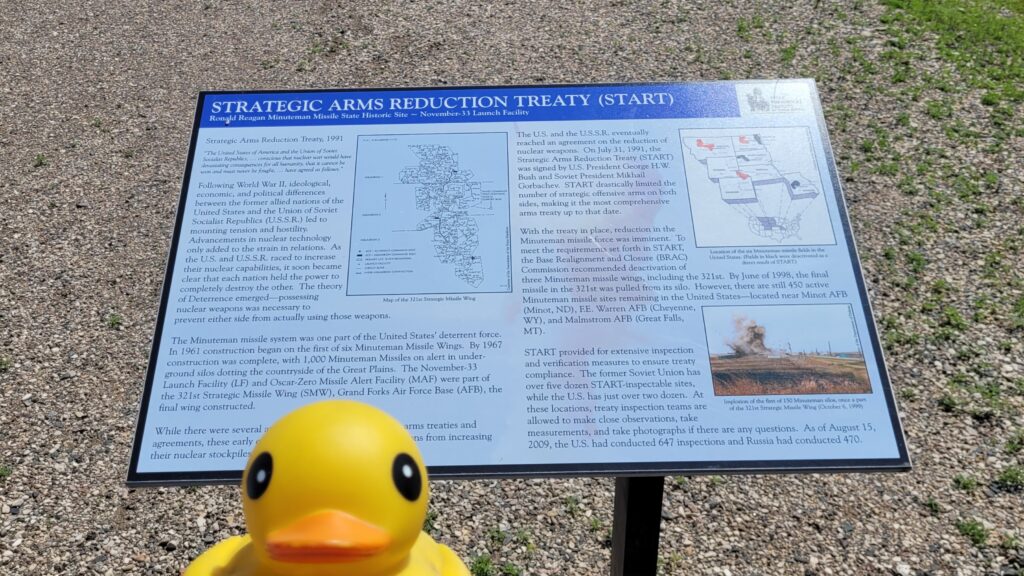
The Cold War had melted into a history that many hoped would never repeat itself.
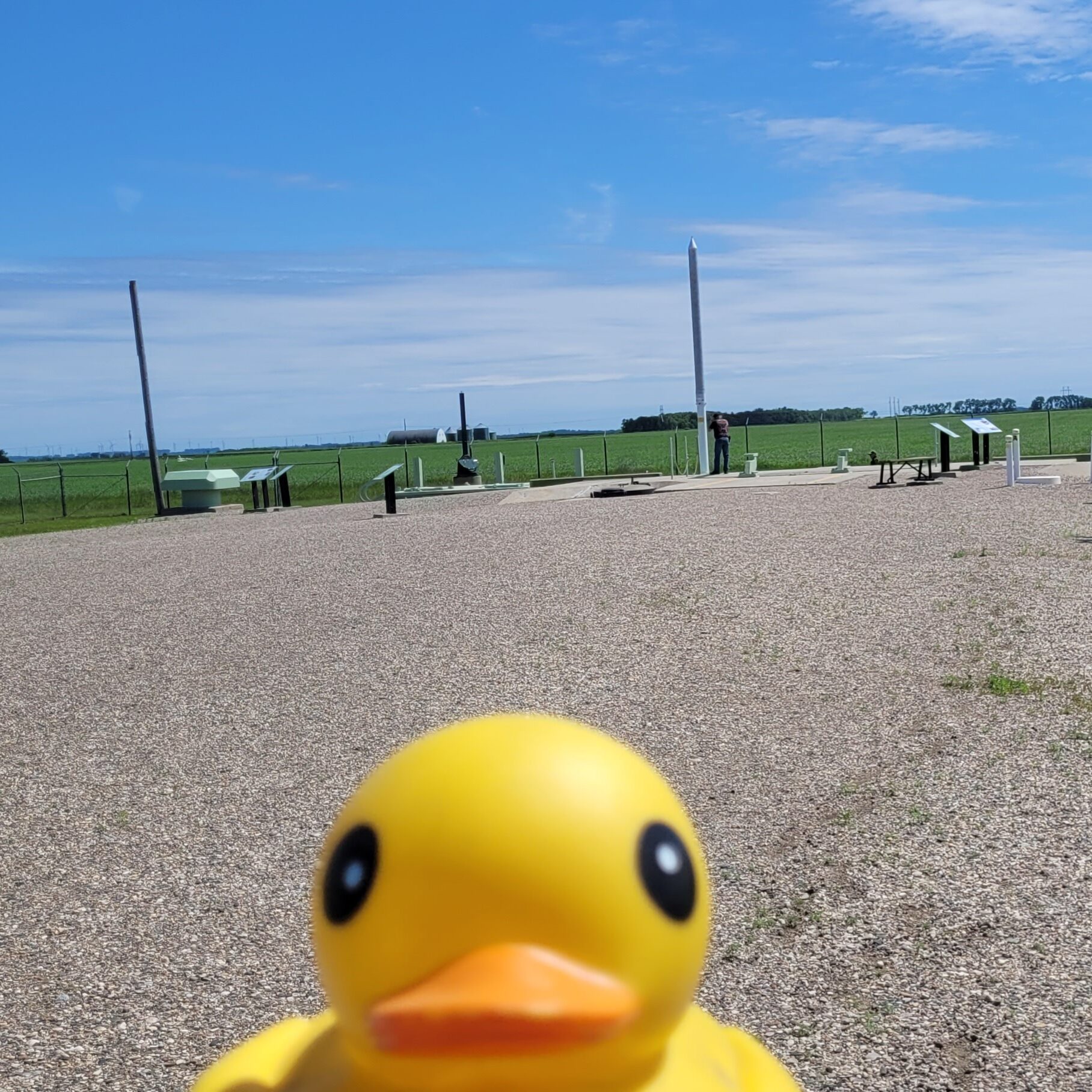
While some silos were dismantled, others remain as poignant reminders of the past, standing like silent sentinels over the flat North Dakota landscape.
As I bobbed around, I couldn’t help but marvel at the layers of history beneath our feet.
It was intriguing, yet a little eerie, to think about the fortifications and the measures put in place to protect the nation that existed right there in the heart of the Midwest.
I quacked in appreciation for the military veterans in our group, recognizing their contributions and the complex legacy of the very sites we visited.
So there I was, a humble rubber duck, floating alongside proud defenders of freedom.
Soaking up the stories of the Ronald Reagan Missileman Silos—truly a fascinating chapter in the ever-evolving tale of national security!
Quack on, I mused, as we paddled away from this historic landmark, pondering the balance of peace and preparedness in a world ever-unfolding around us.
NEVER MISS A