
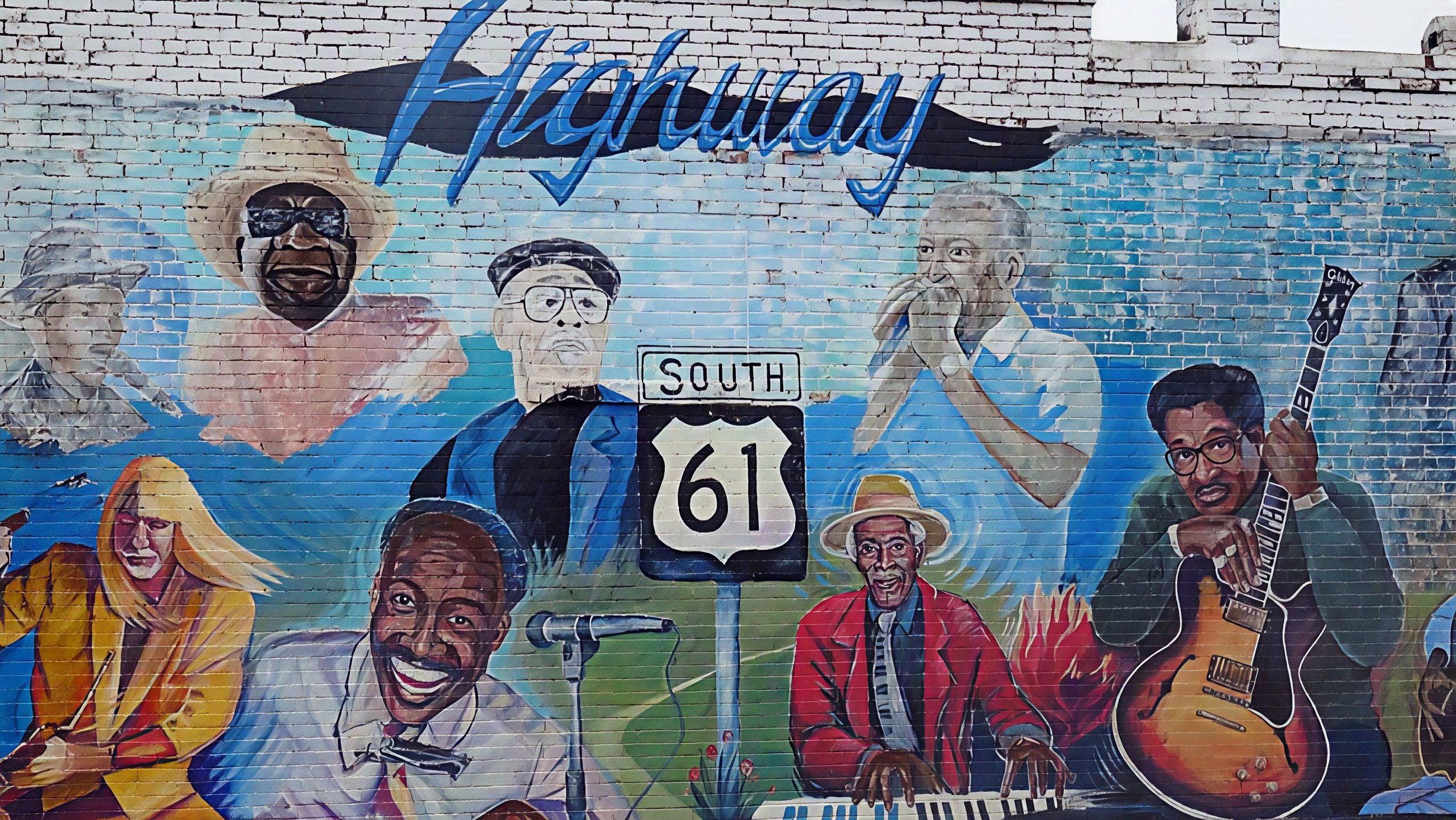
Bob here, ready to ruffle a few feathers and strike a chord with our Week 43 winner of the Get Your Bob On Contest!
Dwayne is taking us on a musical migration down Mississippi’s legendary Blues Highway.
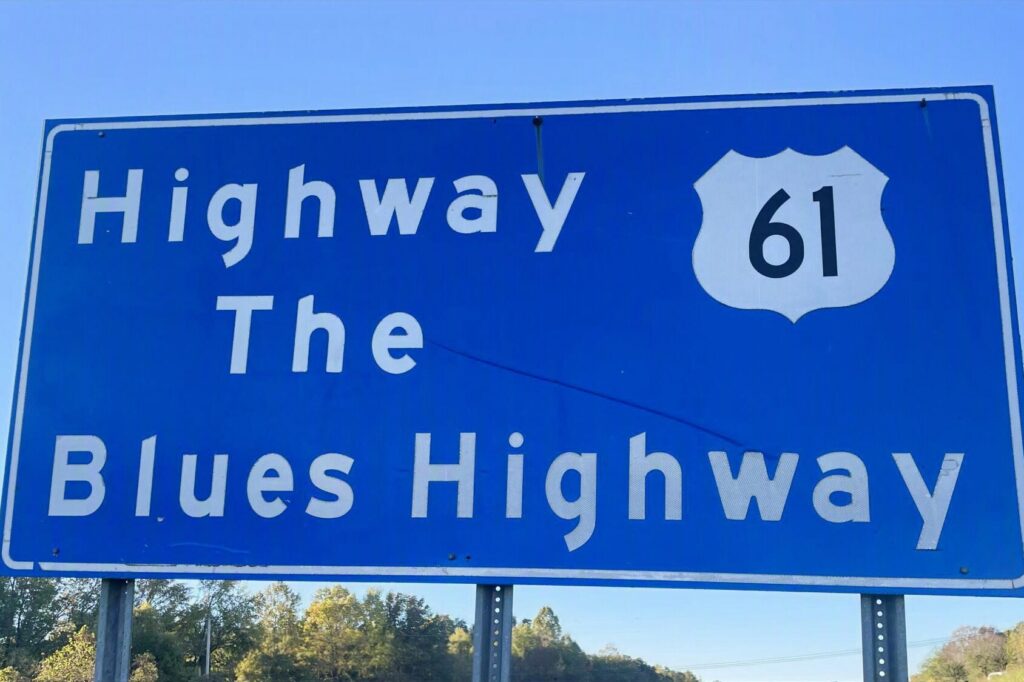
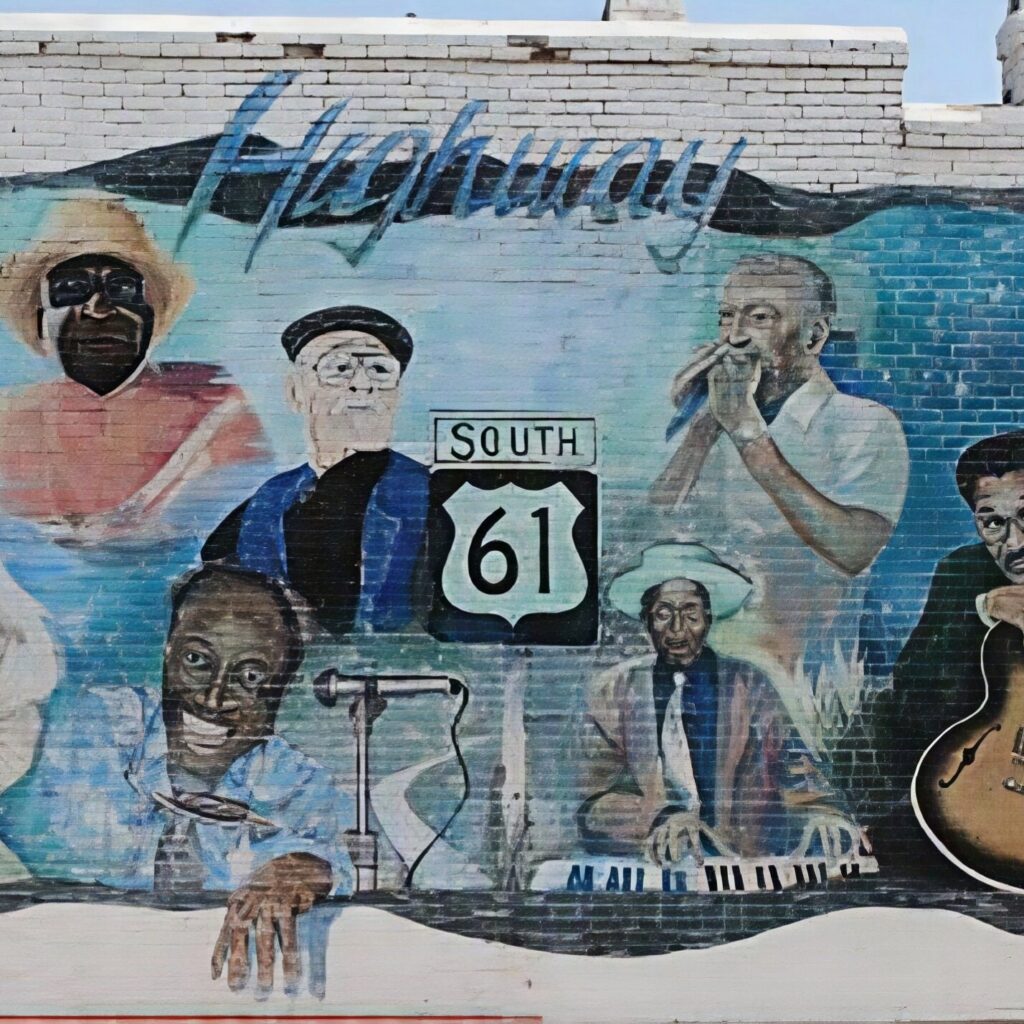
U.S. Highway 61 has a rhythm all its own, powered by guitars, juke joints, cotton fields, river towns and the music that changed the world.

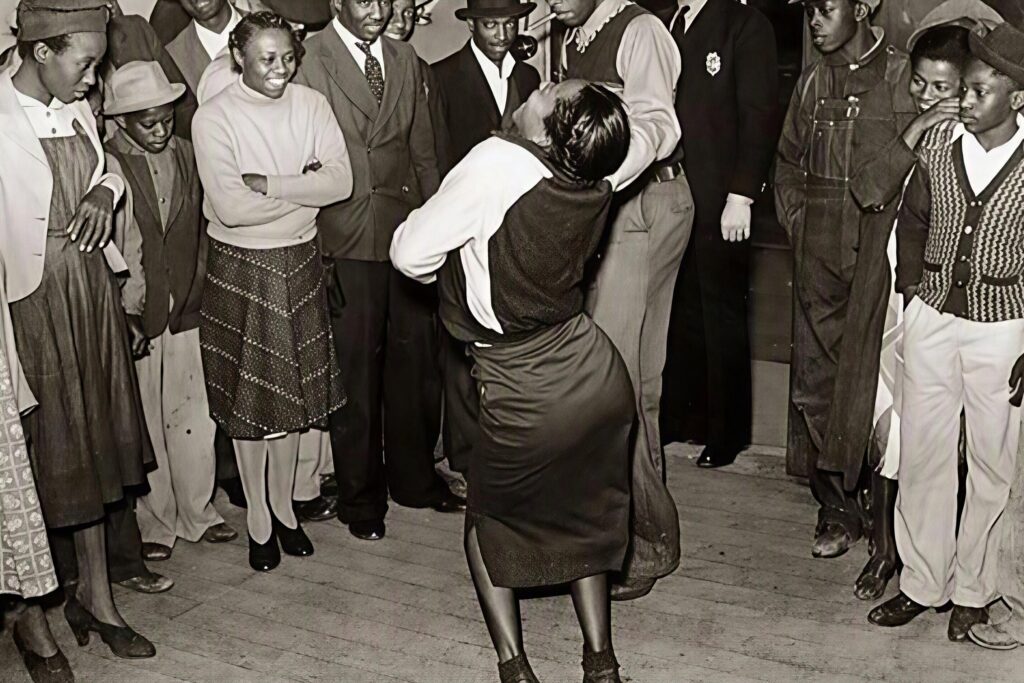
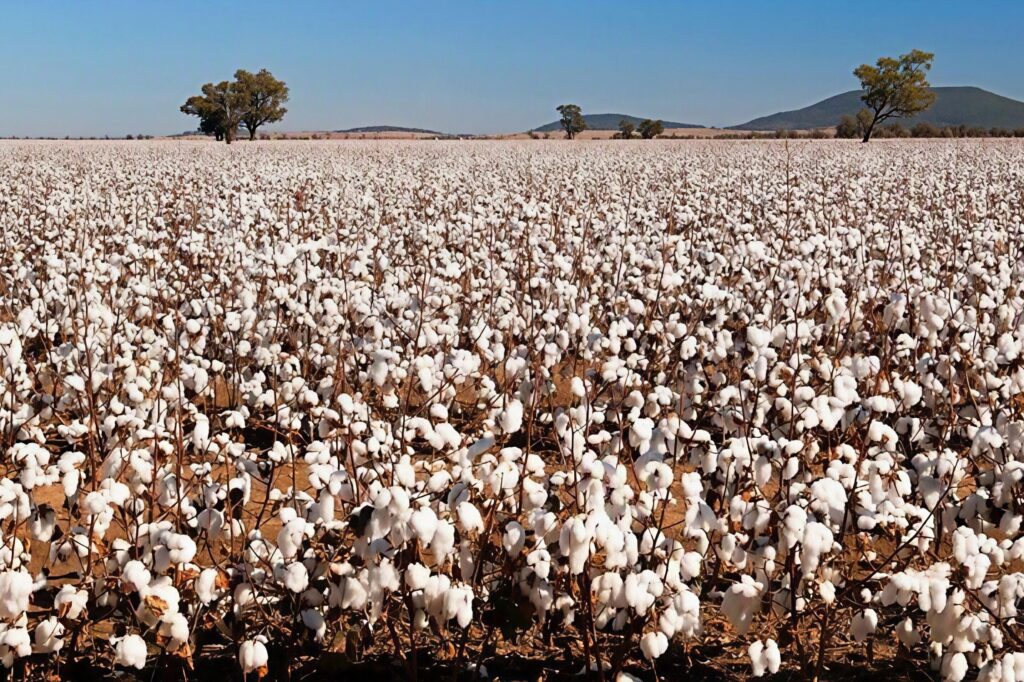
Even my rubber tail feathers are tapping!
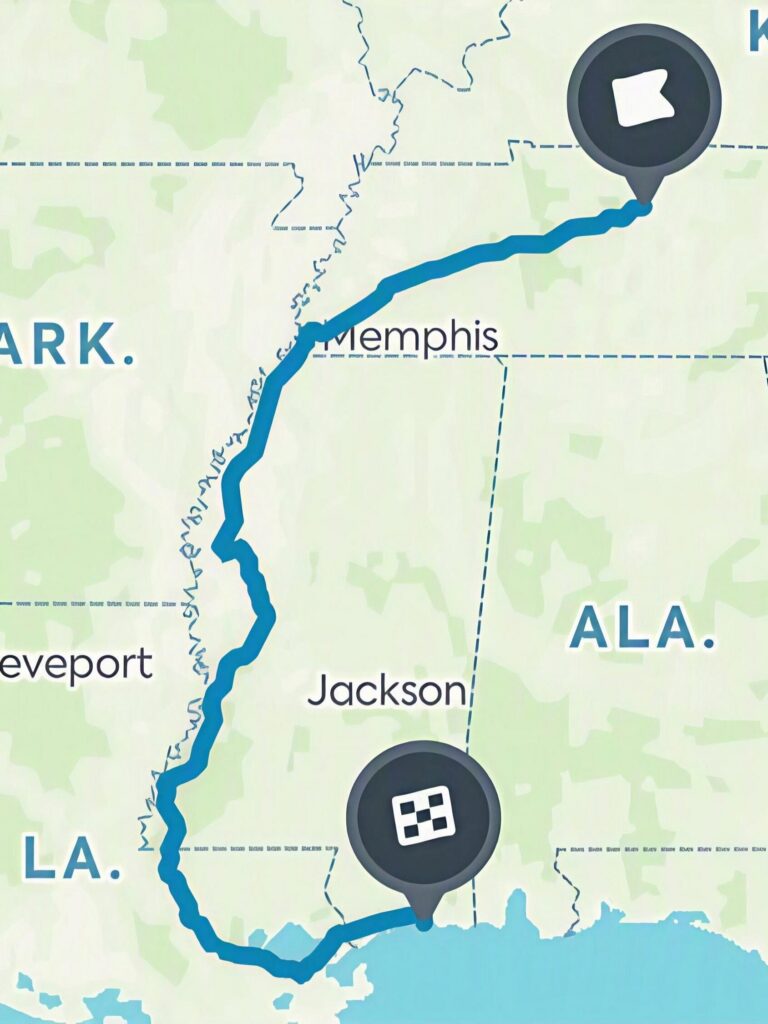
Highway 61 winds through the Mississippi Delta, linking communities such as Tunica, Clarksdale, Cleveland, Leland and Vicksburg.
Today’s highway occasionally bypasses the original route, but you can still find sections marked Old Highway 61.
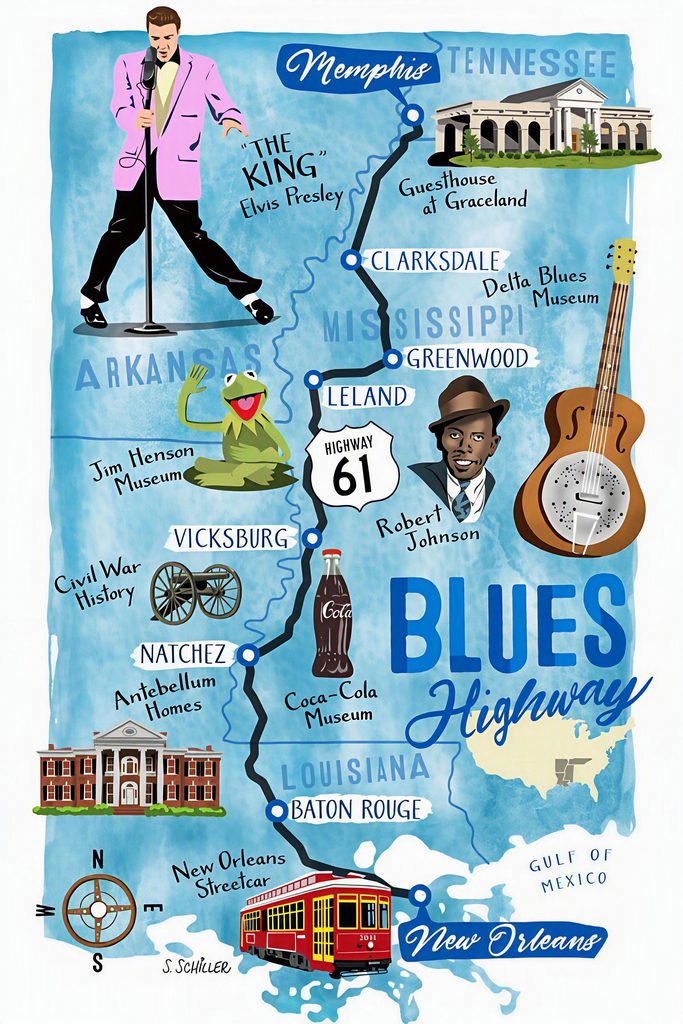
This is much more than a scenic drive. It is a journey through one of America’s most important cultural landscapes.
The Delta blues grew from African American work songs, field hollers, spirituals and community traditions.
Musicians performed on plantations, at house parties, in railroad towns and inside lively juke joints.
They travelled between communities along roads such as Highway 61, carrying their music wherever they went.
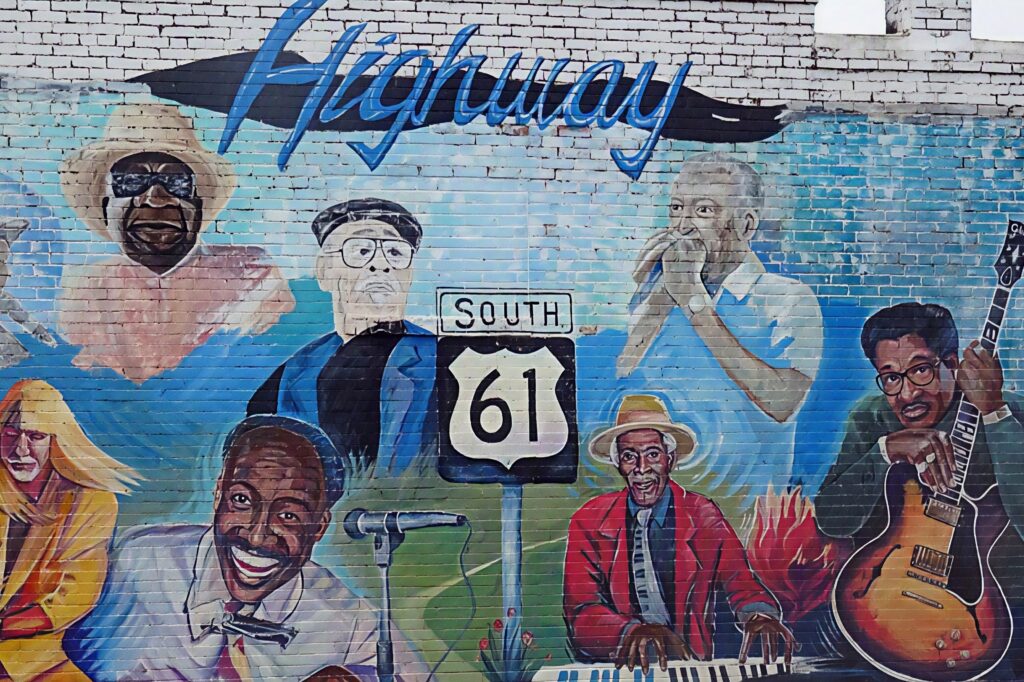
During the Great Migration, many of those musicians headed north to Memphis, St. Louis and Chicago.
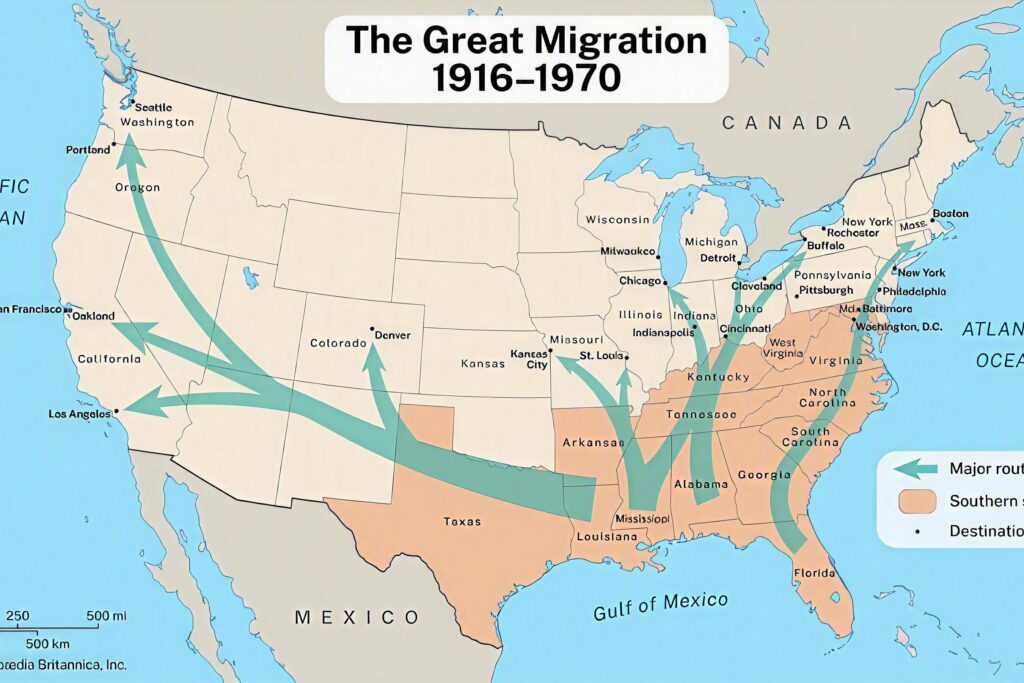
The sounds they carried with them helped inspire electric blues, rhythm and blues and rock ’n’ roll.
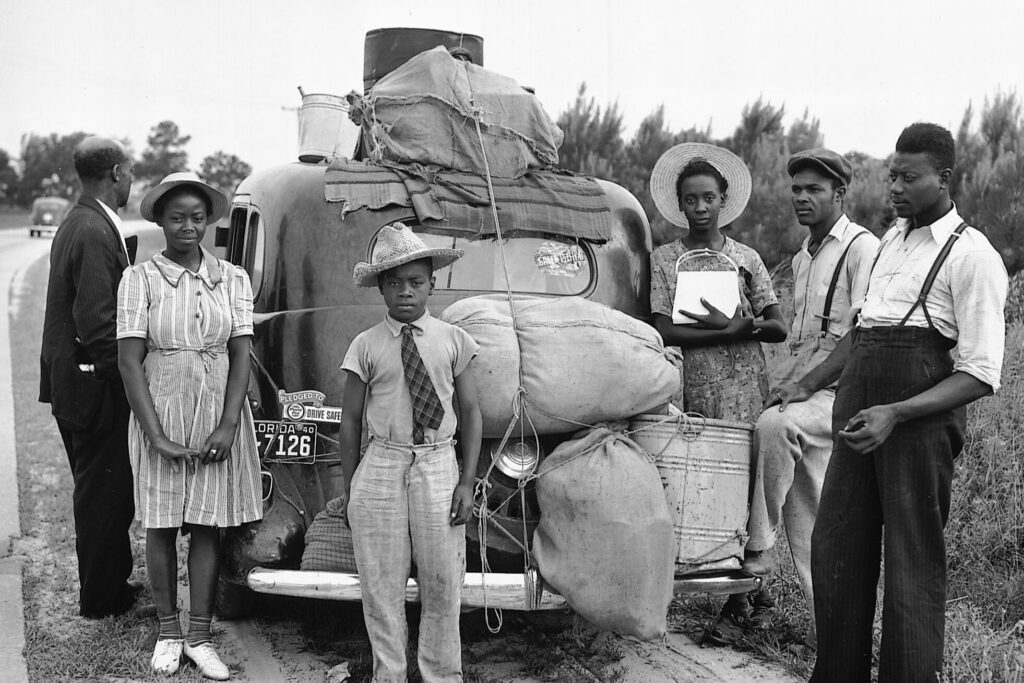
The highway eventually became part of the music itself.
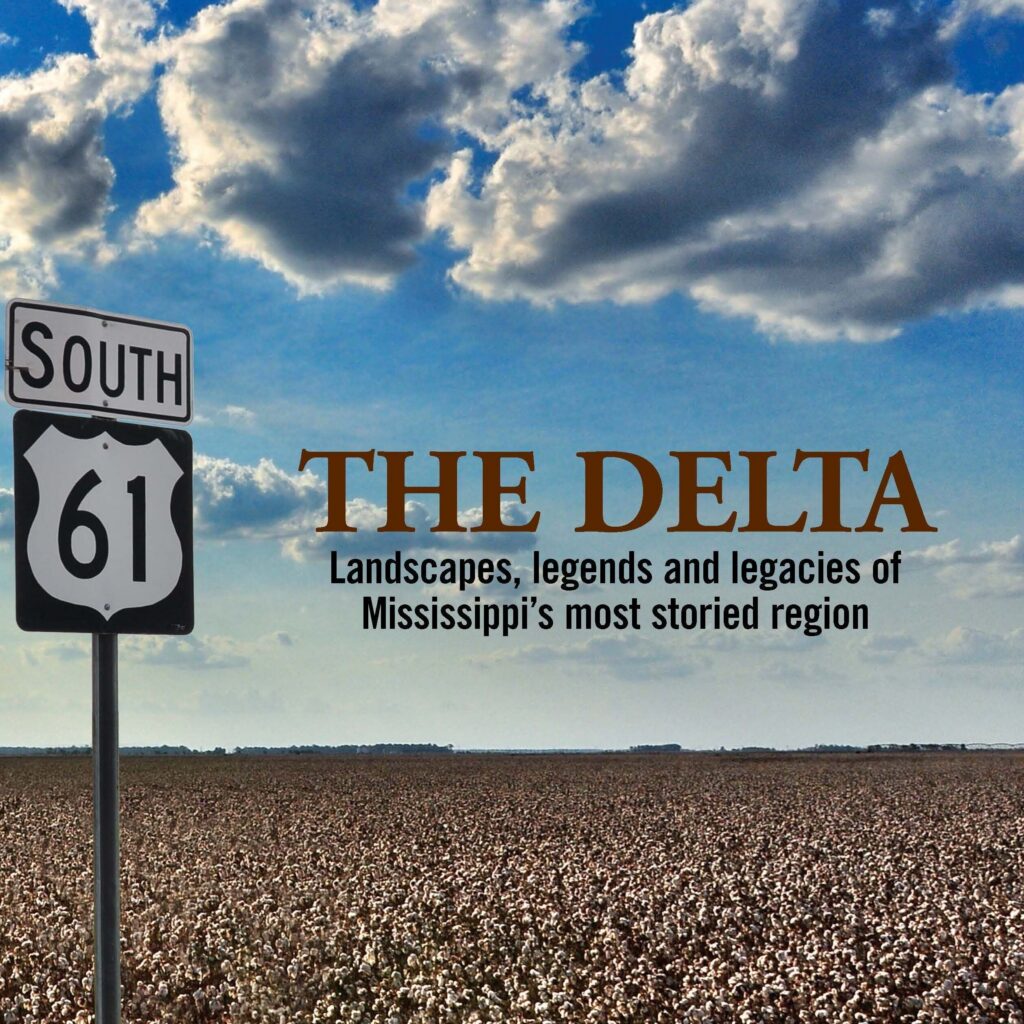
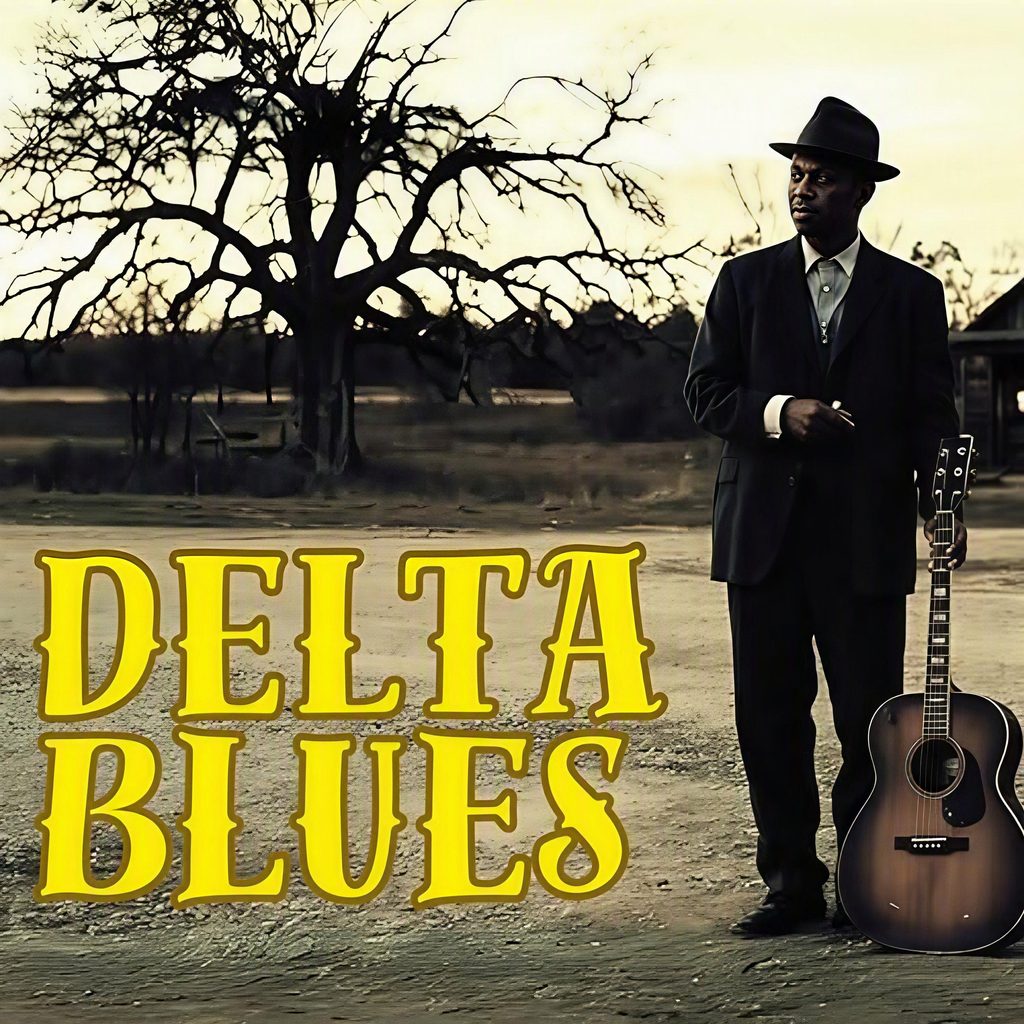
Roosevelt Sykes recorded “Highway 61 Blues” in 1932, while Mississippi Fred McDowell, Honeyboy Edwards, Sunnyland Slim and others also sang about the road.
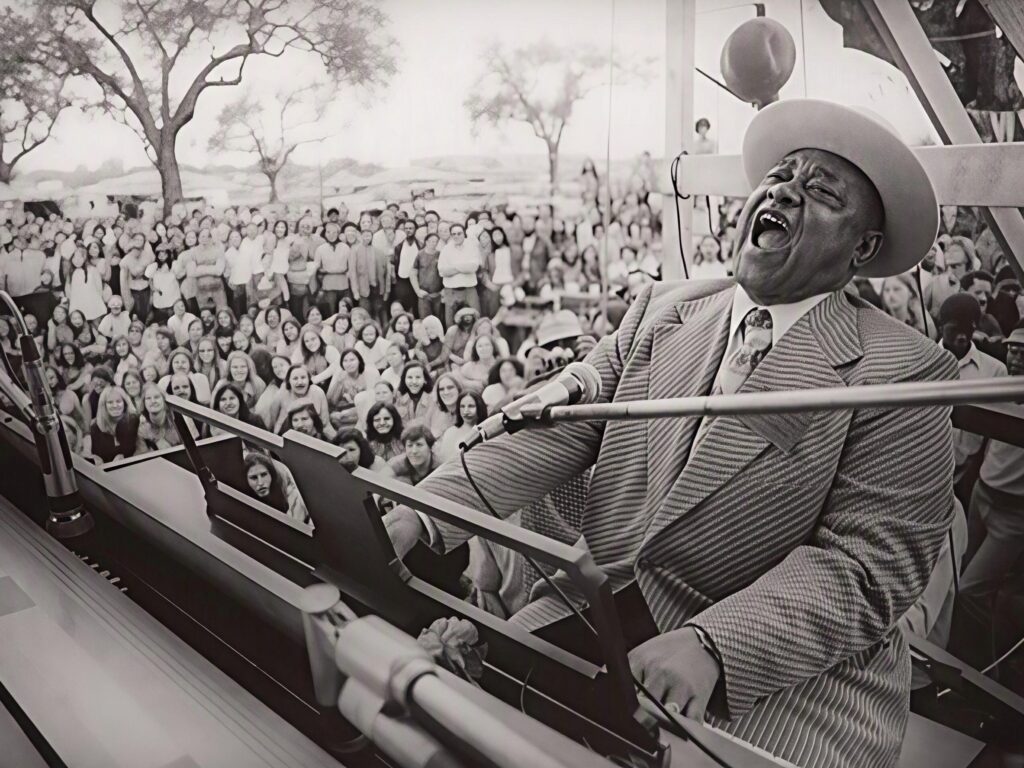
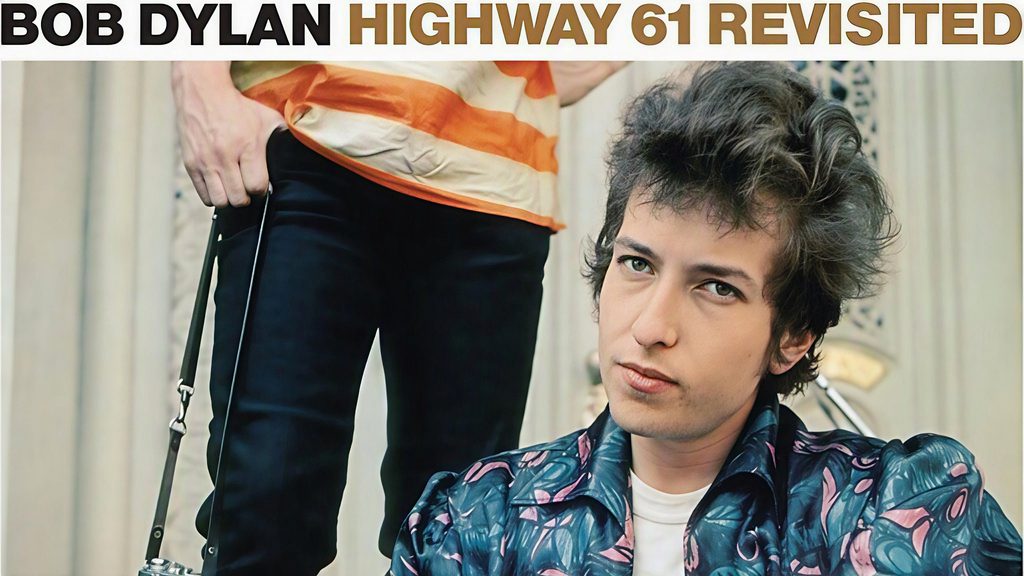
Bob Dylan carried its mythology into rock history with his 1965 album Highway 61 Revisited.
Dwayne spends one week each year exploring another section of the highway.
He says you could drive the entire route in a single day, but it takes weeks to truly experience the region and understand its role in music history.
I agree with Dwayne. Why rush past the good stuff? A curious duck knows when to slow down, look around and listen.
If you only have one week, however, Dwayne has created an itinerary that will immerse you in the music, history, food and scenery of the Delta.
Be warned: by the end, you may be planning your return trip.
Dwayne’s suggested Seven-Day Blues Highway Itinerary
Day 1: Tunica
Begin at the Gateway to the Blues Museum, where you can dive into the story of this remarkable musical tradition.
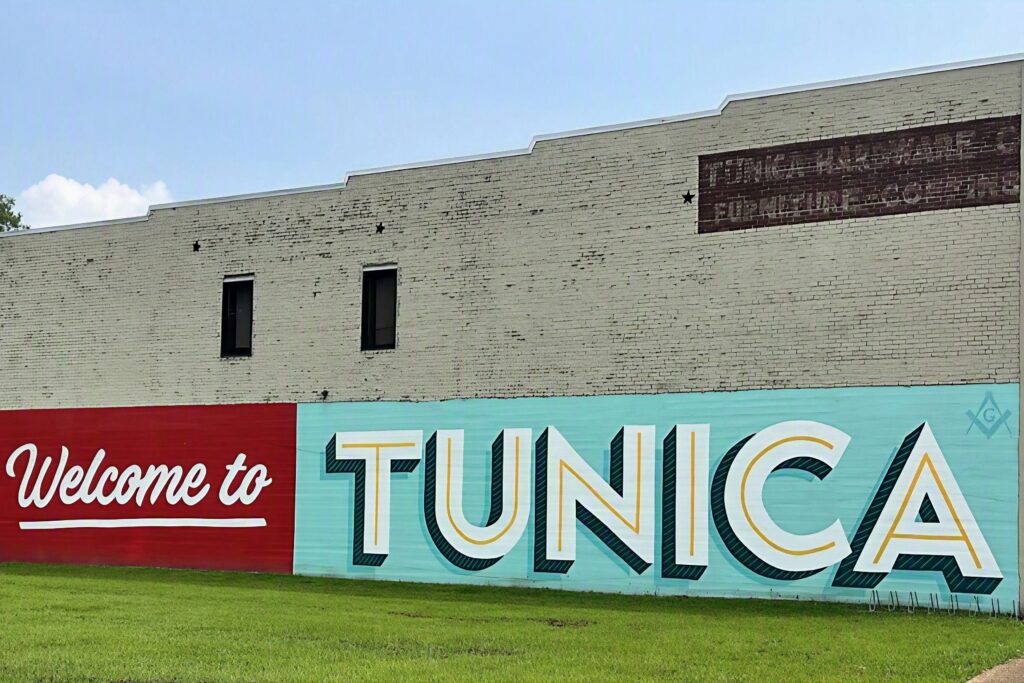
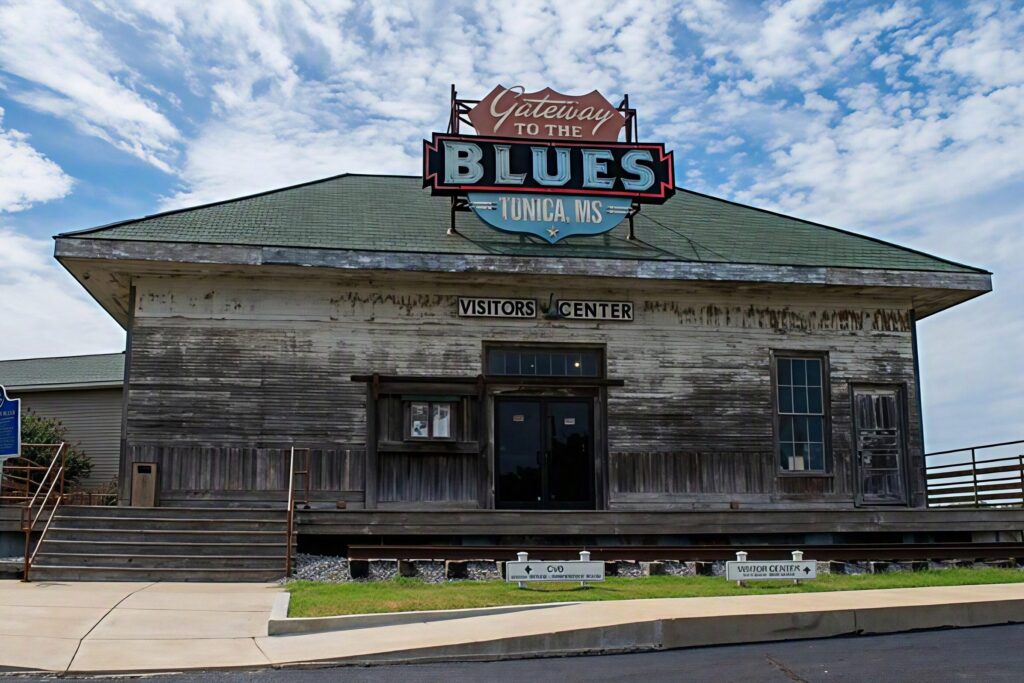
Photograph the Highway 61 marker, explore historic downtown and visit Tunica RiverPark for beautiful river views.
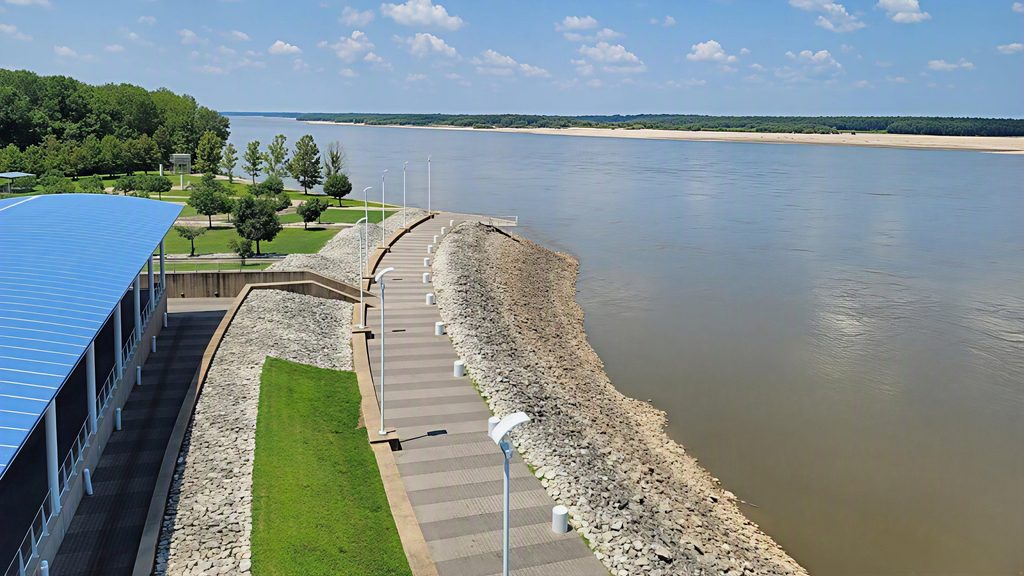
Finish the day with a traditional Delta meal then stay overnight in Tunica or continue to Clarksdale.
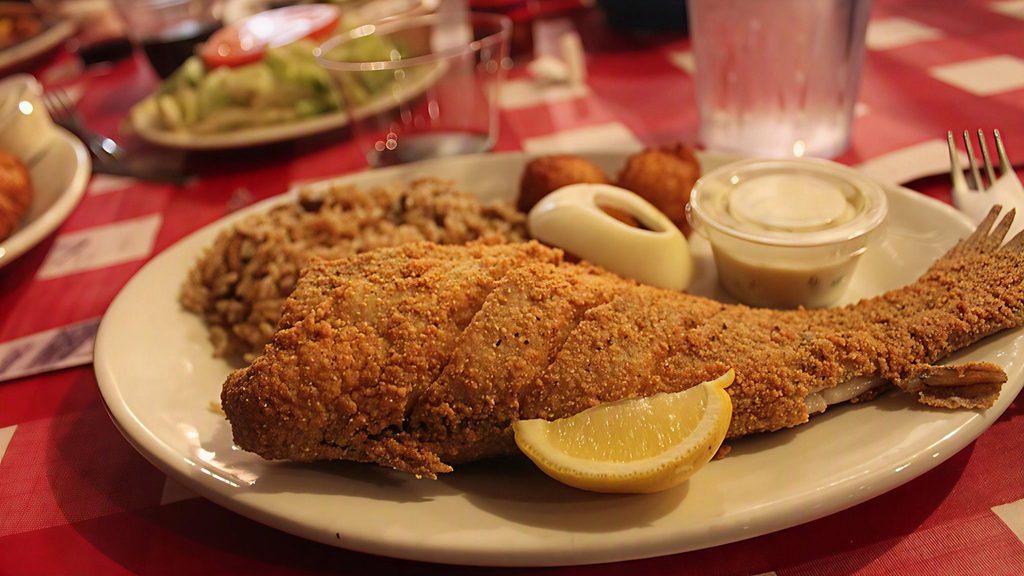
Catfish
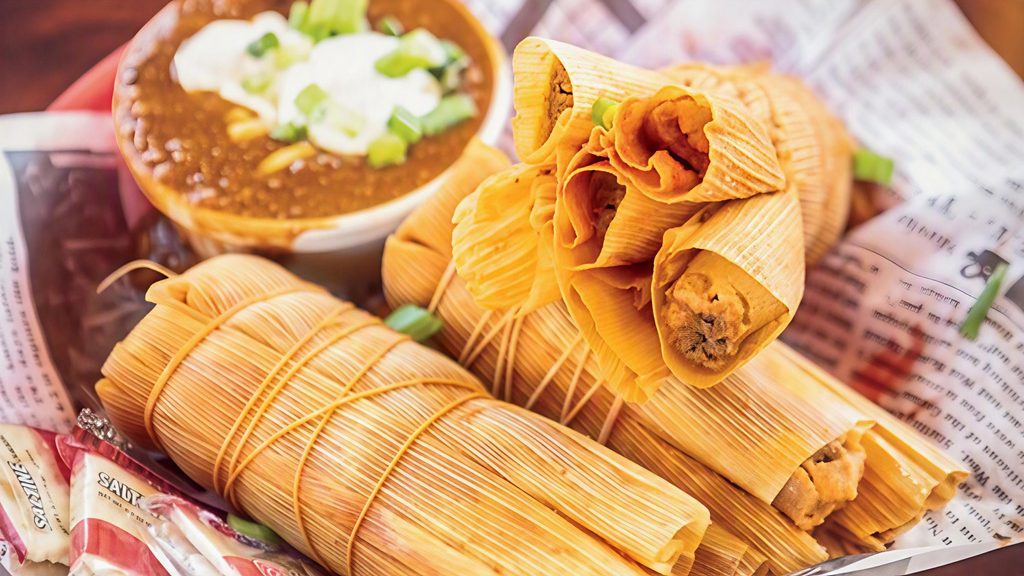
Tamales
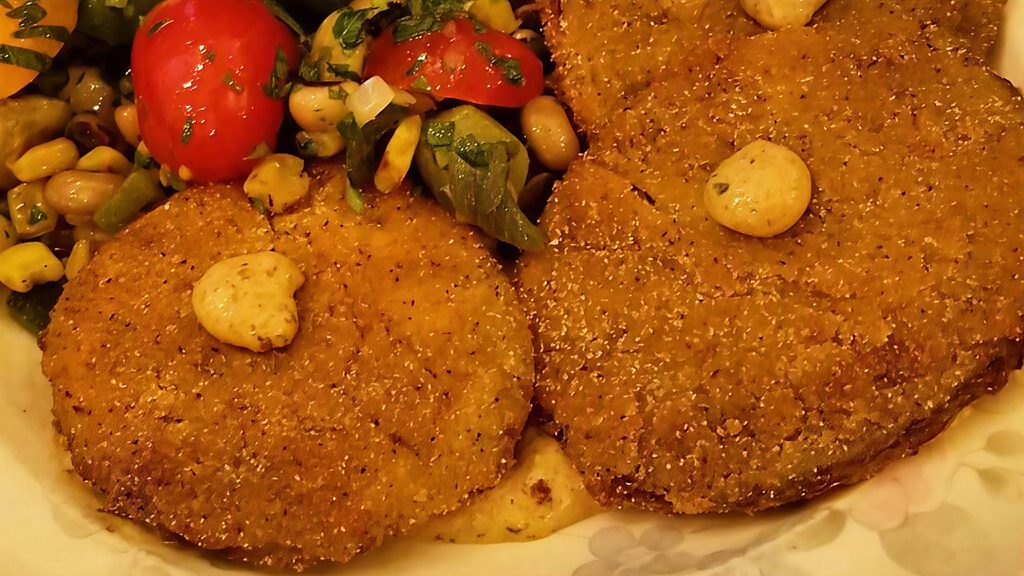
Fried Green Tomatoes
Day 2: Clarksdale’s Blues History
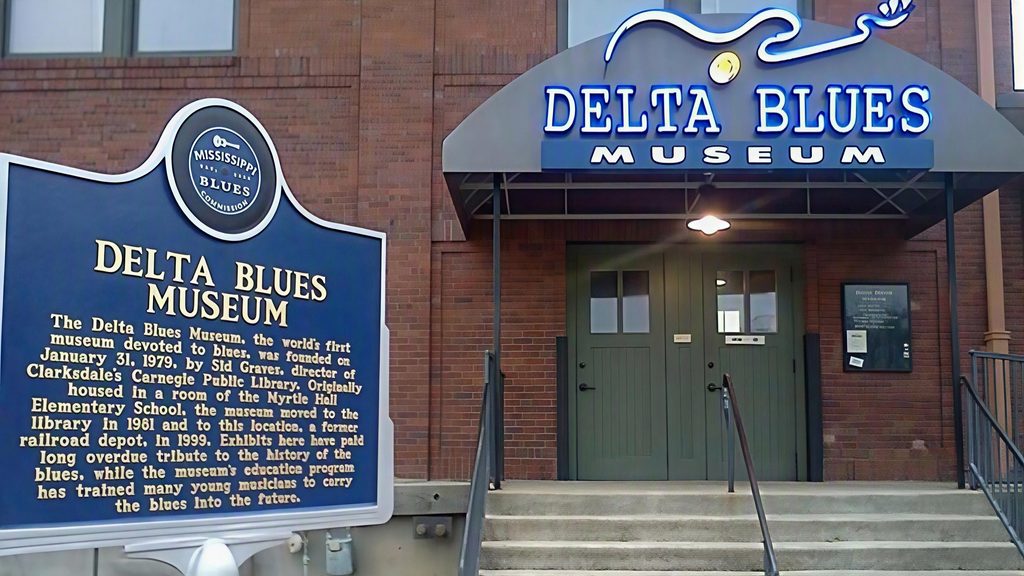
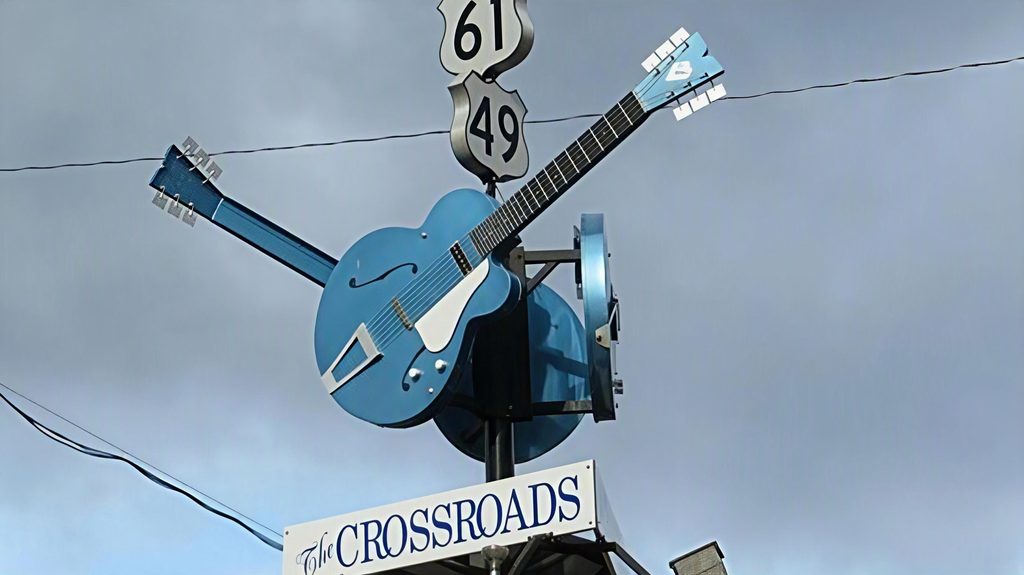
Tour the Delta Blues Museum, visit the famous Crossroads and browse the treasures at Cat Head.
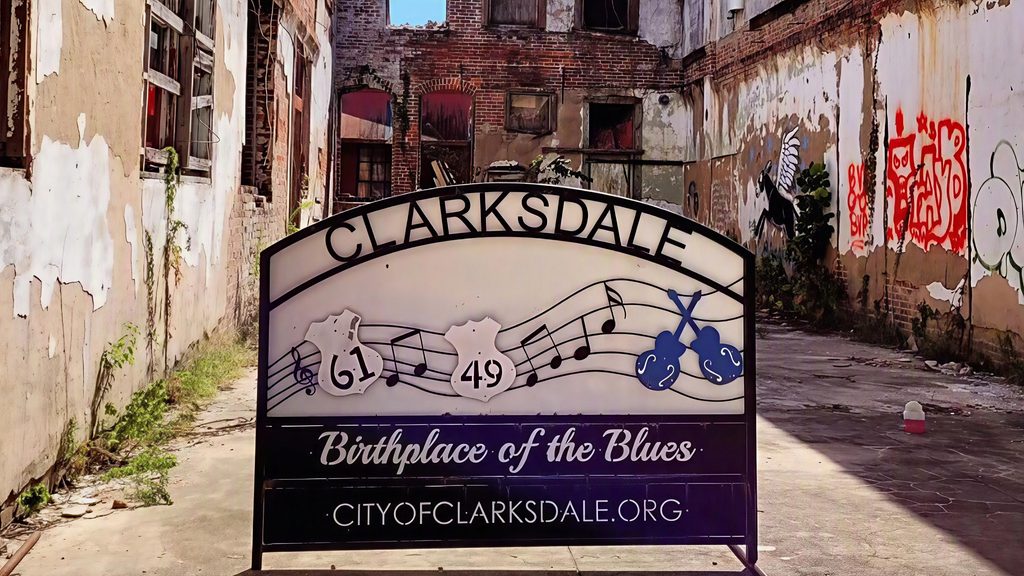
Follow the Blues Trail markers through downtown and keep an eye out for the colourful murals along the way.
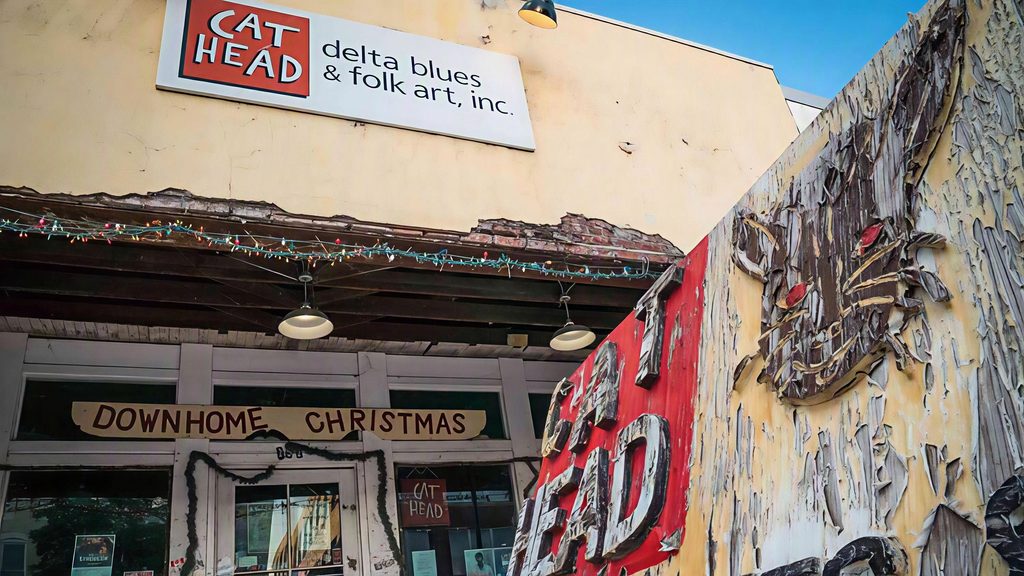
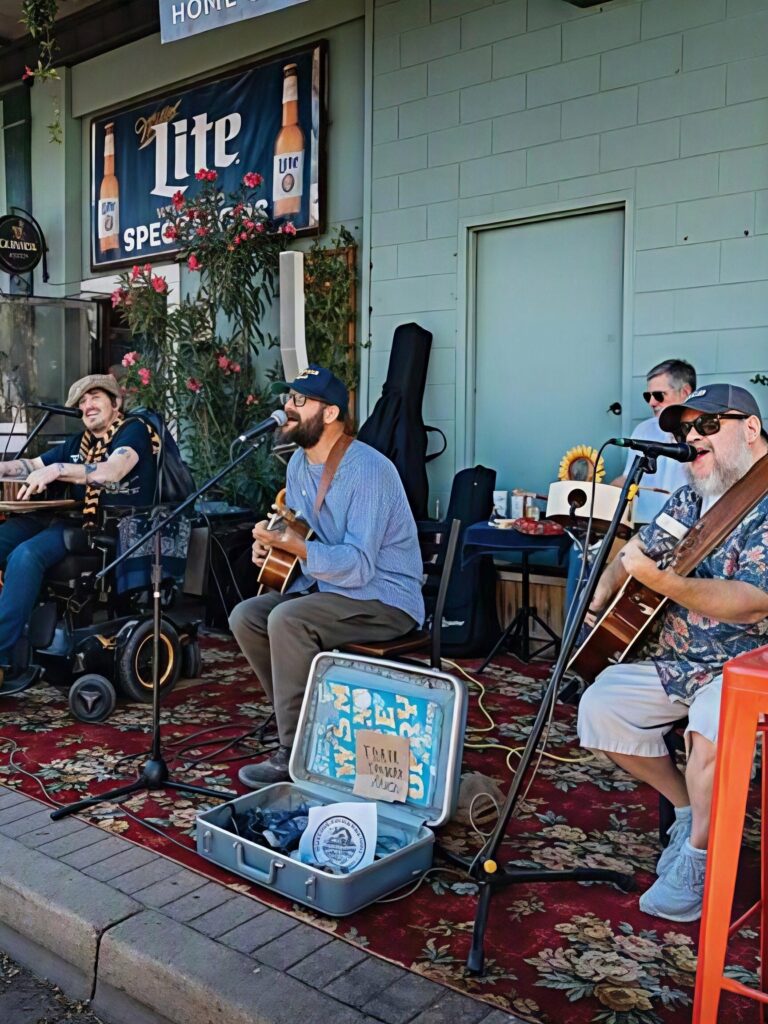
After dinner, settle in for live music at Ground Zero, Red’s Lounge or another scheduled venue.
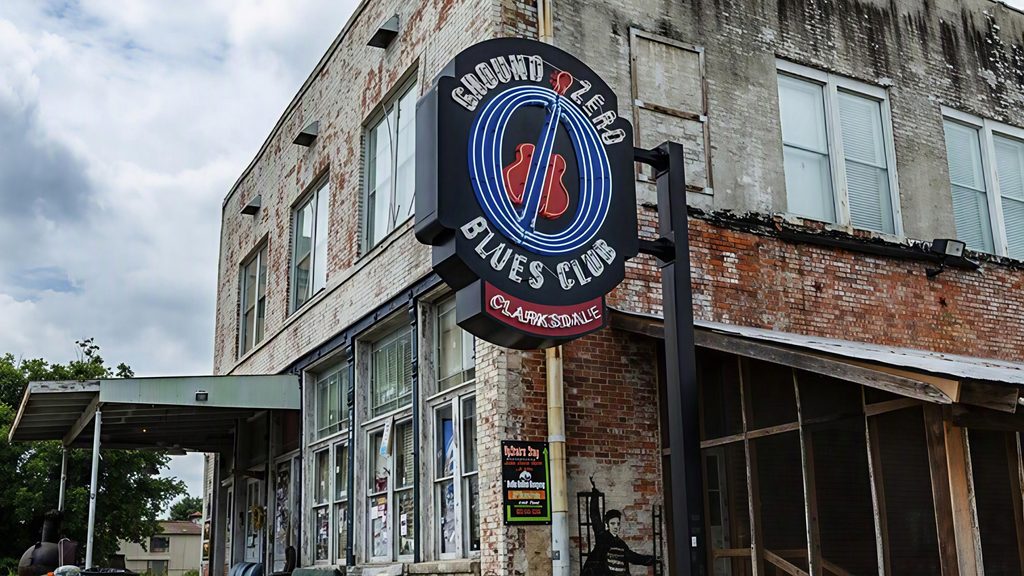
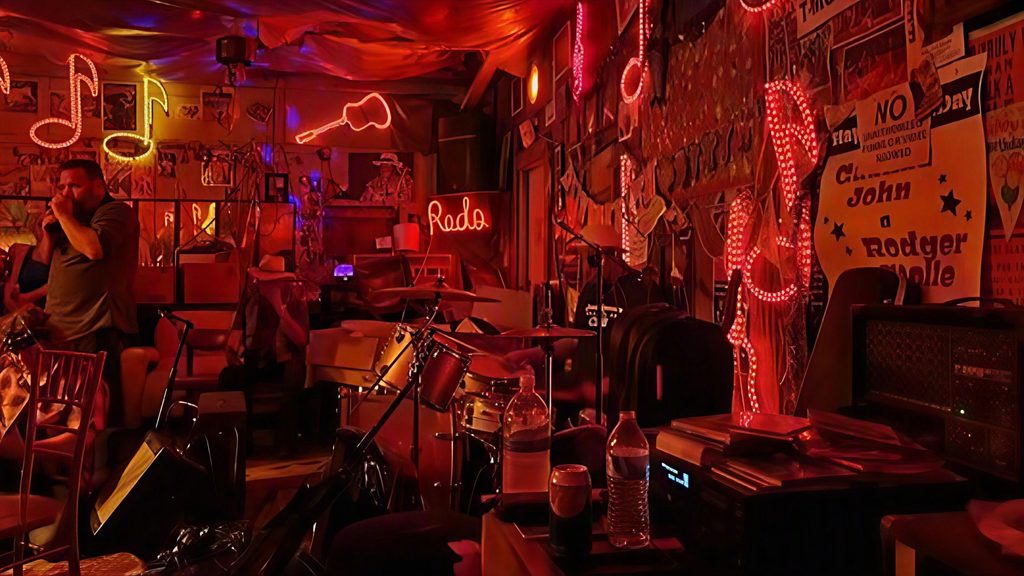
This is your chance to hear the blues where it lives and breathes.
Day 3: Clarksdale and the Rural Delta
Venture beyond downtown to explore the Stovall Farms area, Hopson Plantation and other historic sites.
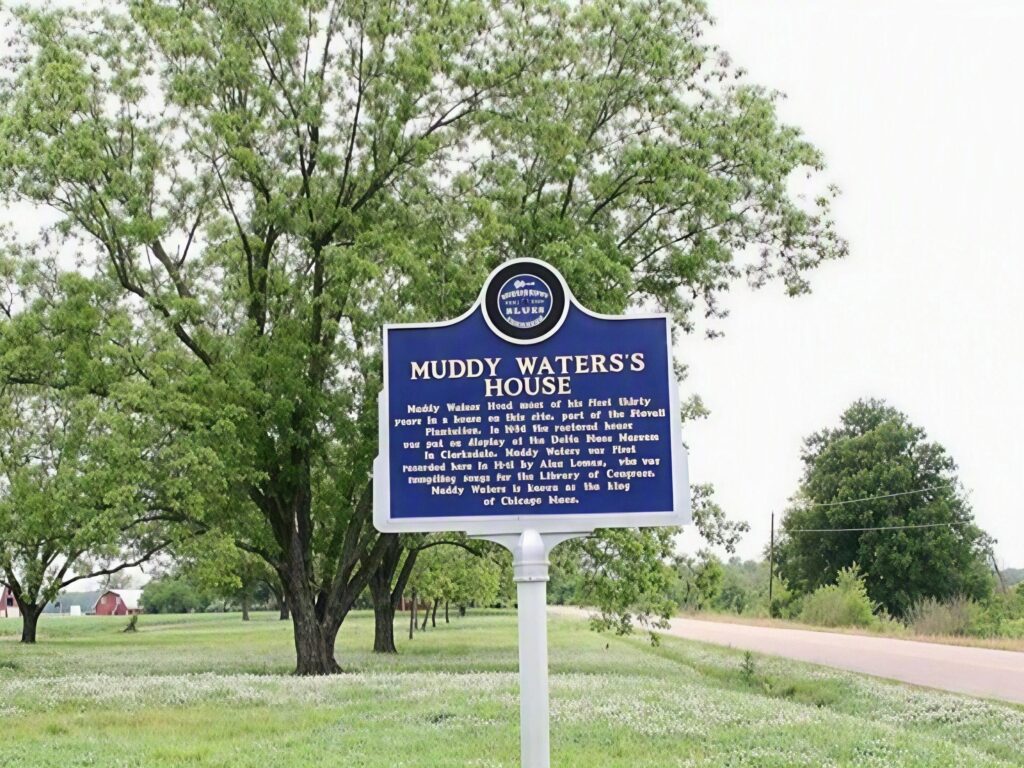
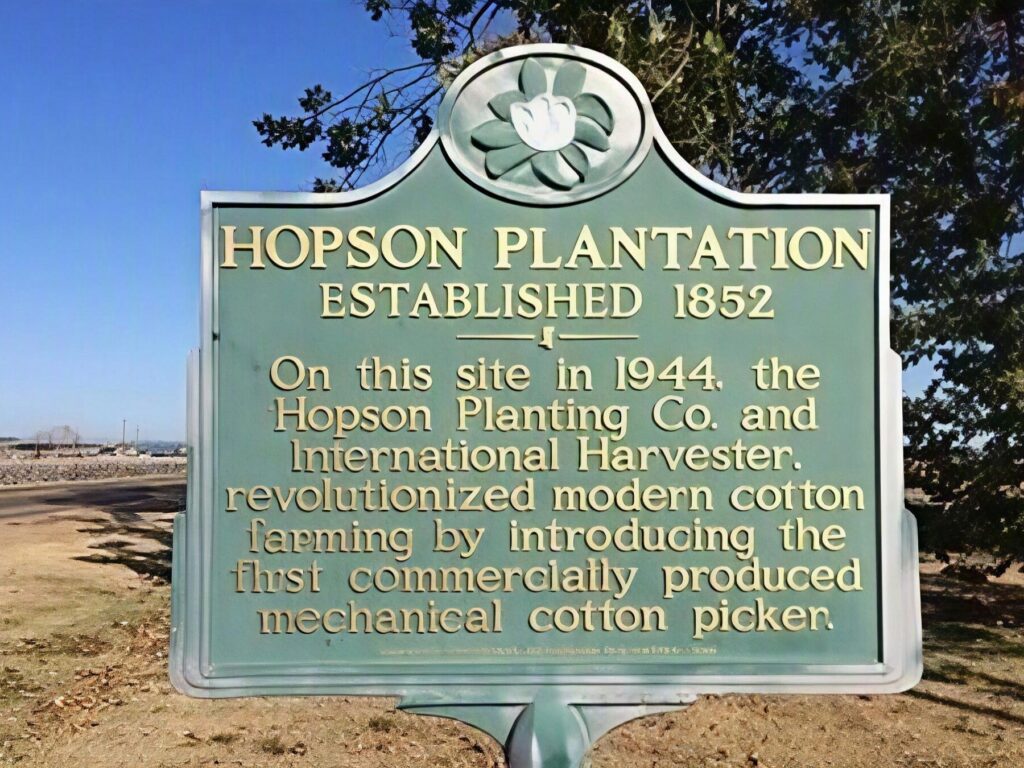
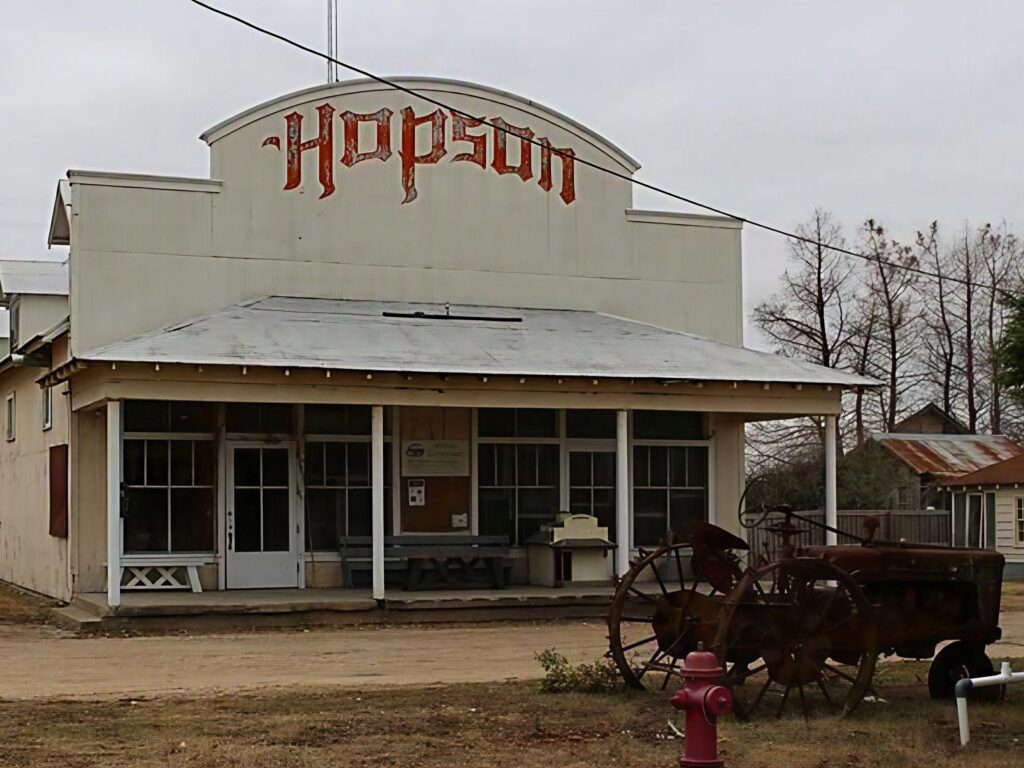
Leave time for local shops, Southern cooking and another evening of live blues.
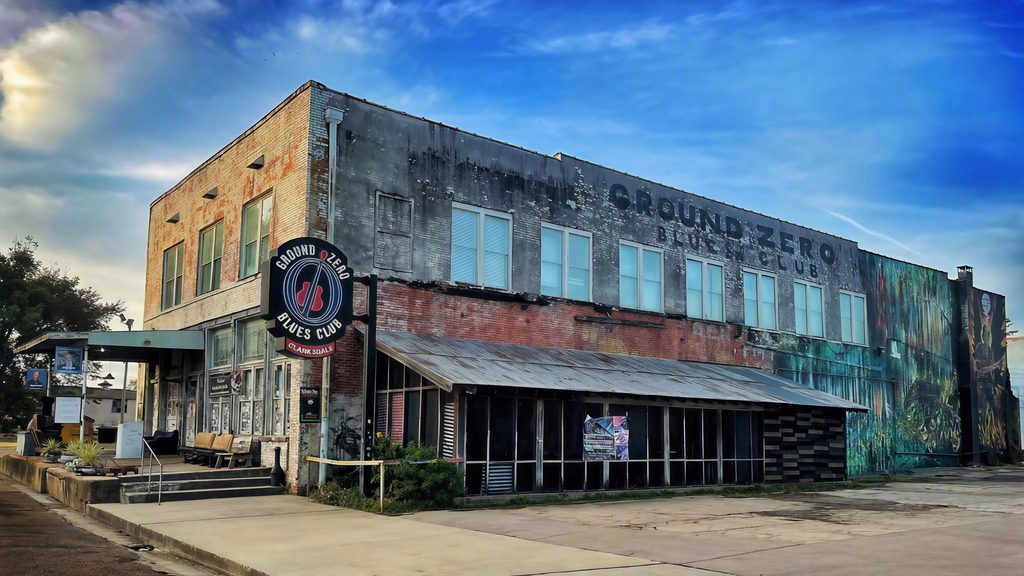
Clarksdale deserves two full days because its nighttime music is every bit as important as its daytime attractions.
The museums tell the story, but the evening performances let you feel it.
Day 4: Cleveland and Dockery Farms
Travel south to Dockery Farms and spend time learning about its connection to Charley Patton and the early development of Delta blues.
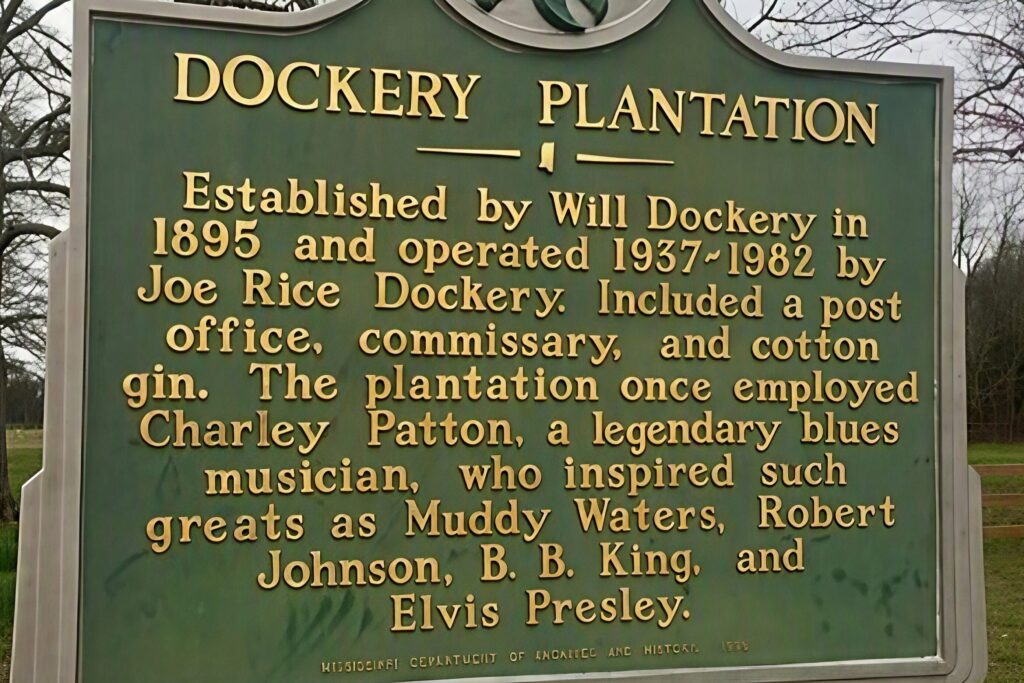
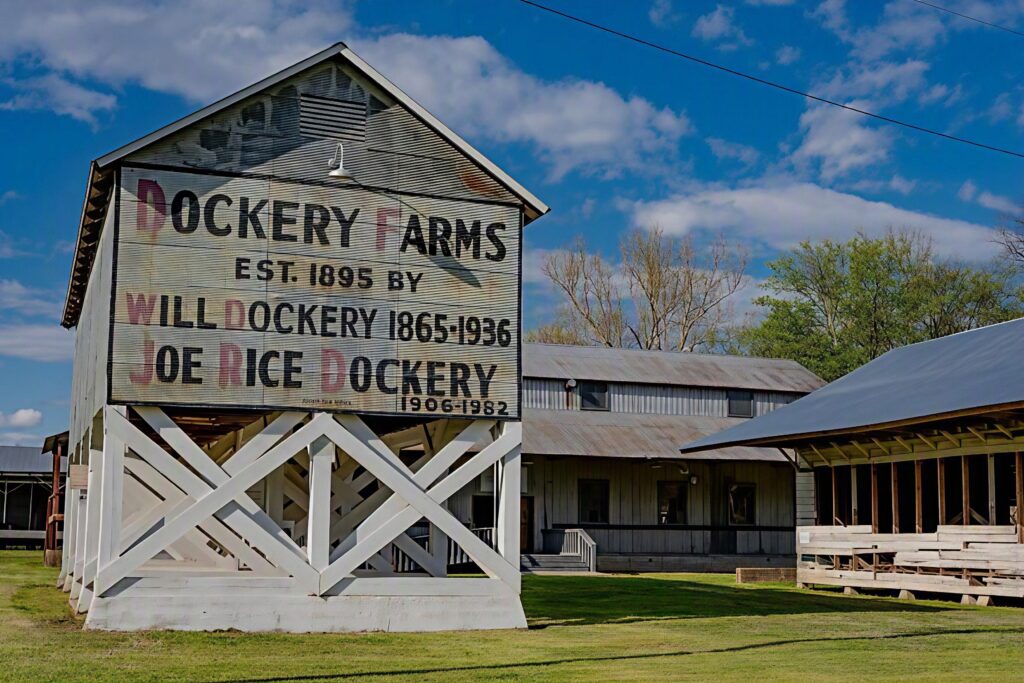
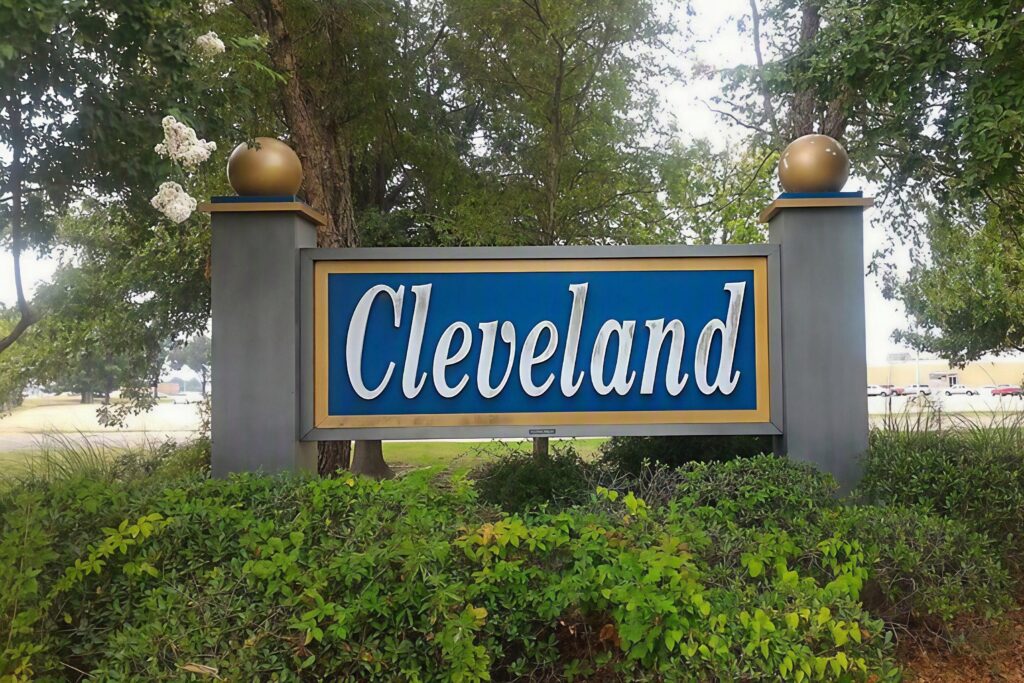
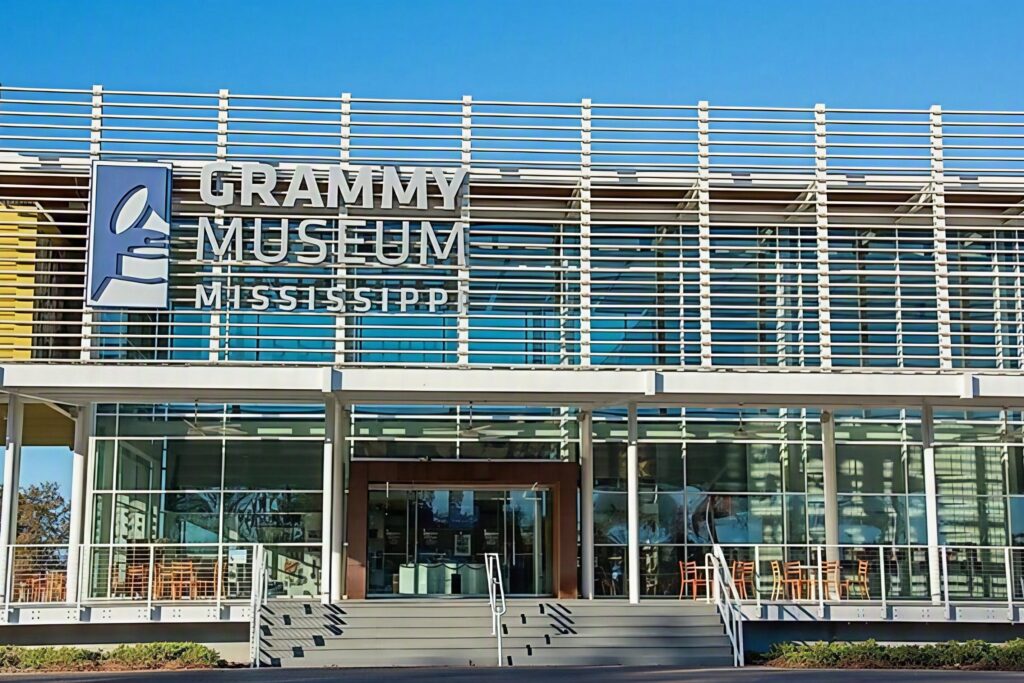
Continue to Cleveland and visit the GRAMMY Museum Mississippi.
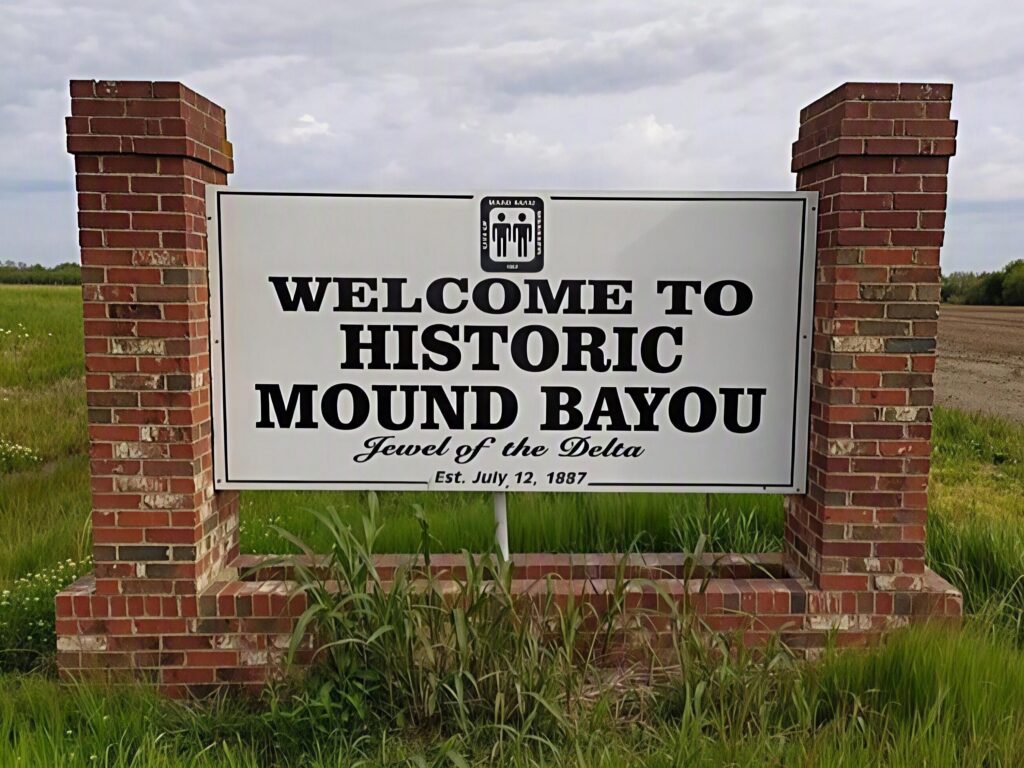
If time allows, make additional stops in Mound Bayou, Merigold or at the Amzie Moore House.
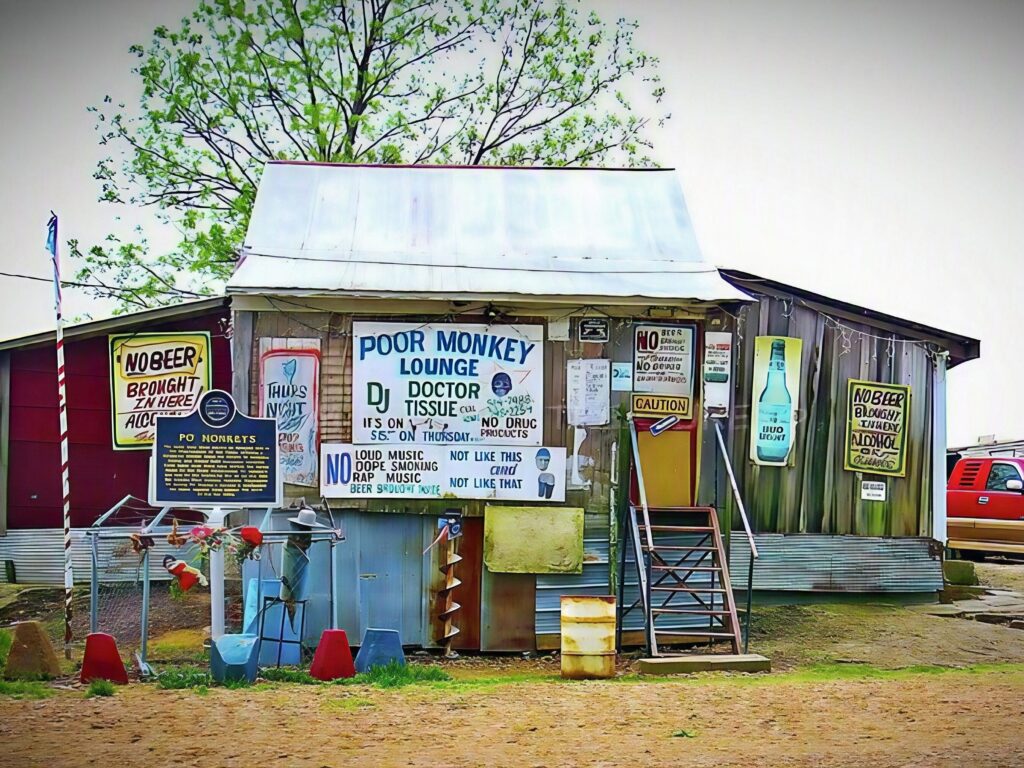
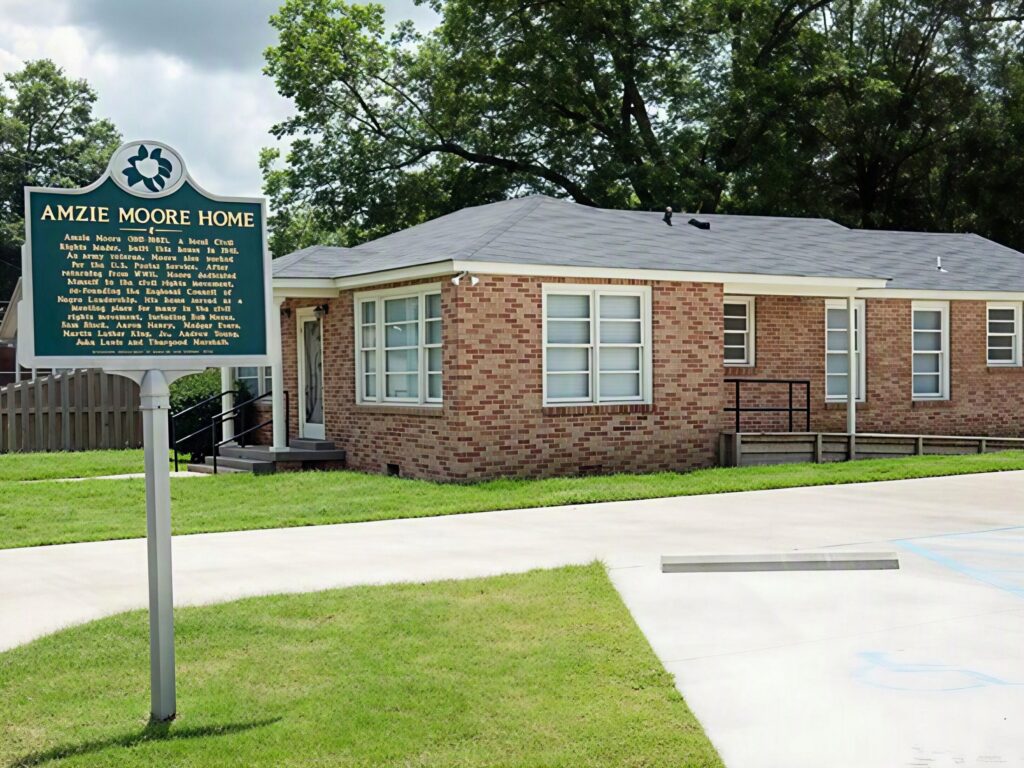
It is a day packed with history, so keep your eyes open and your feathers alert.
Day 5: Leland and Greenville
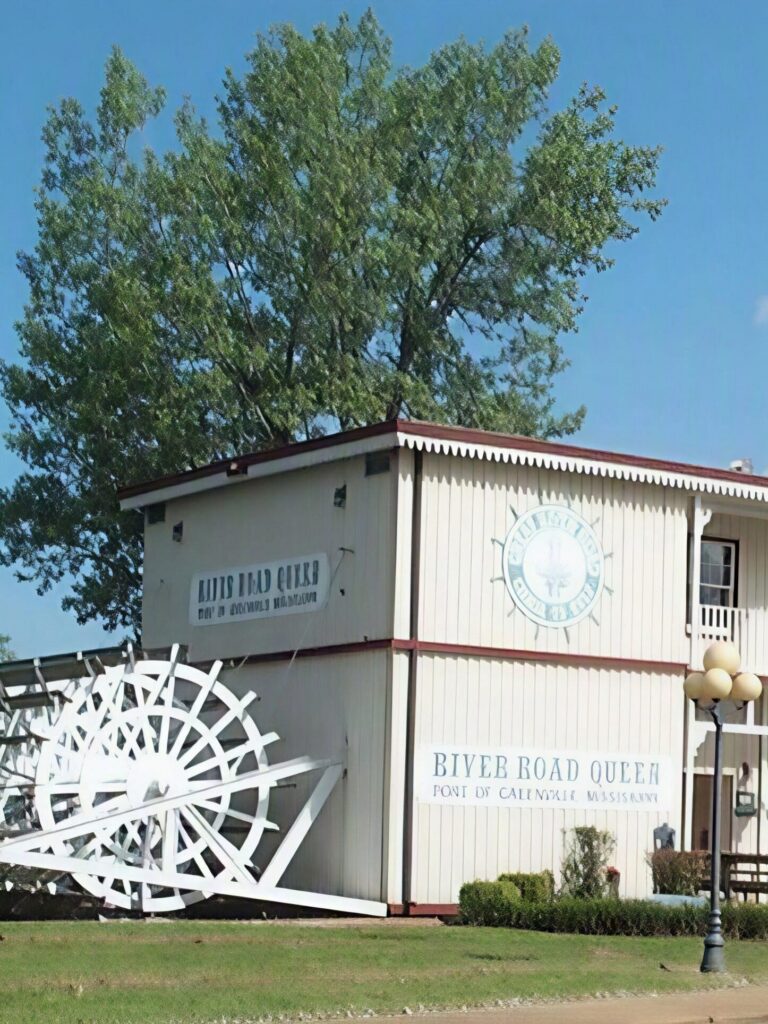
Visit the Highway 61 Blues Museum in Leland before continuing to Greenville.
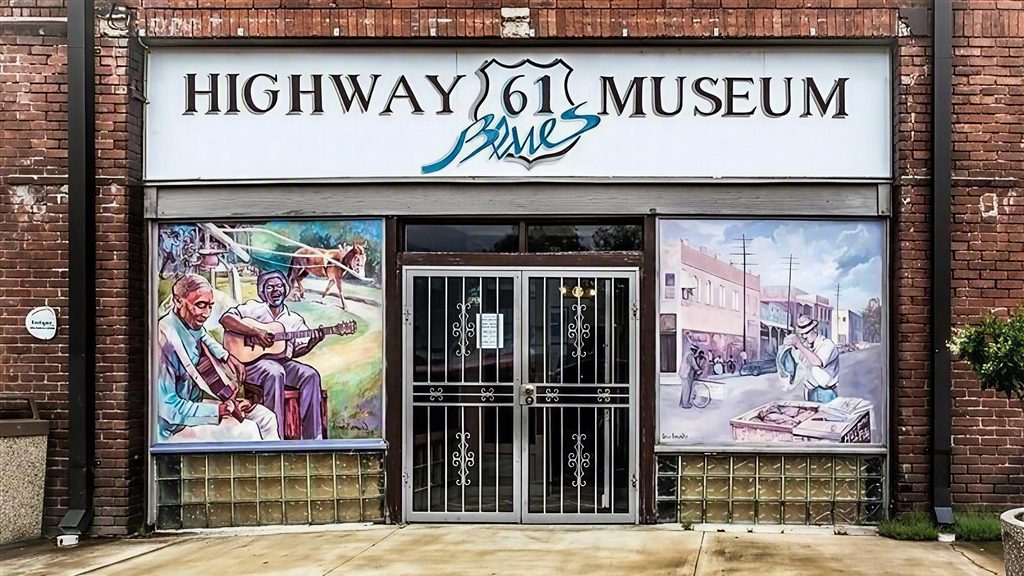
Explore local Blues Trail sites…
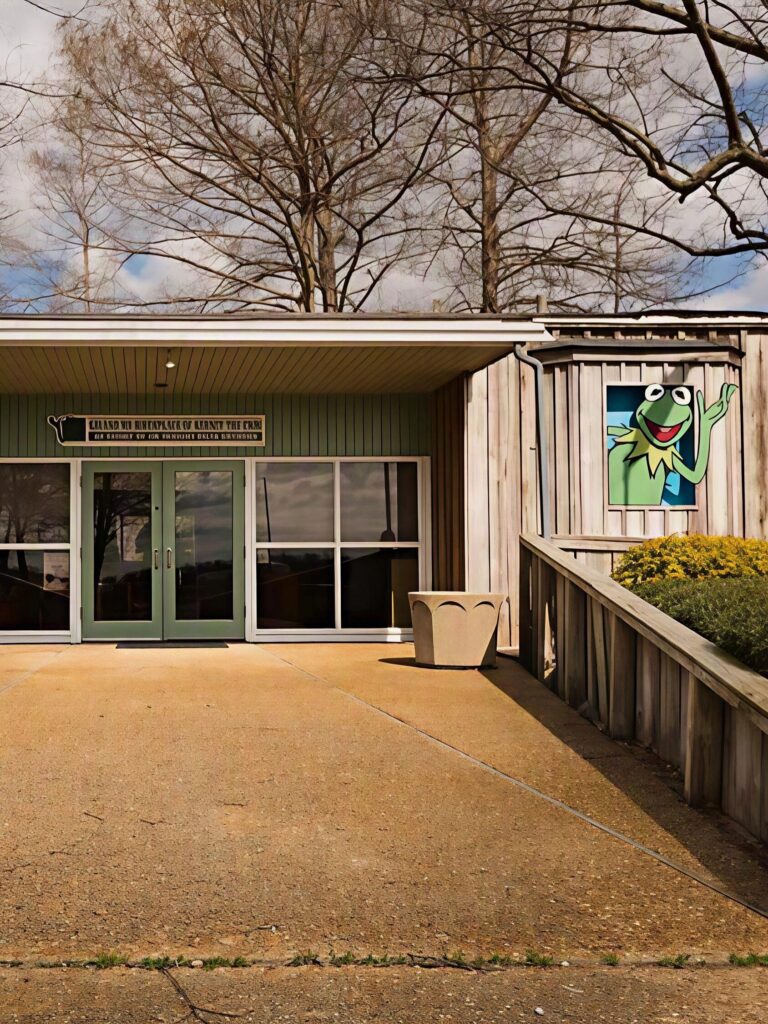

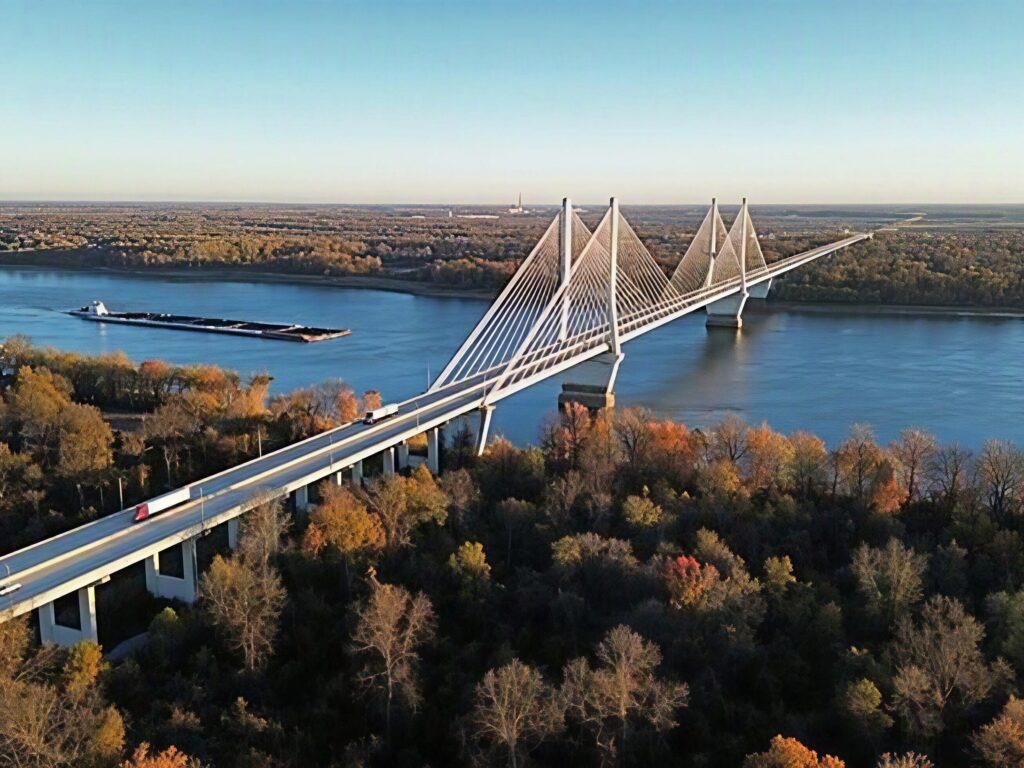
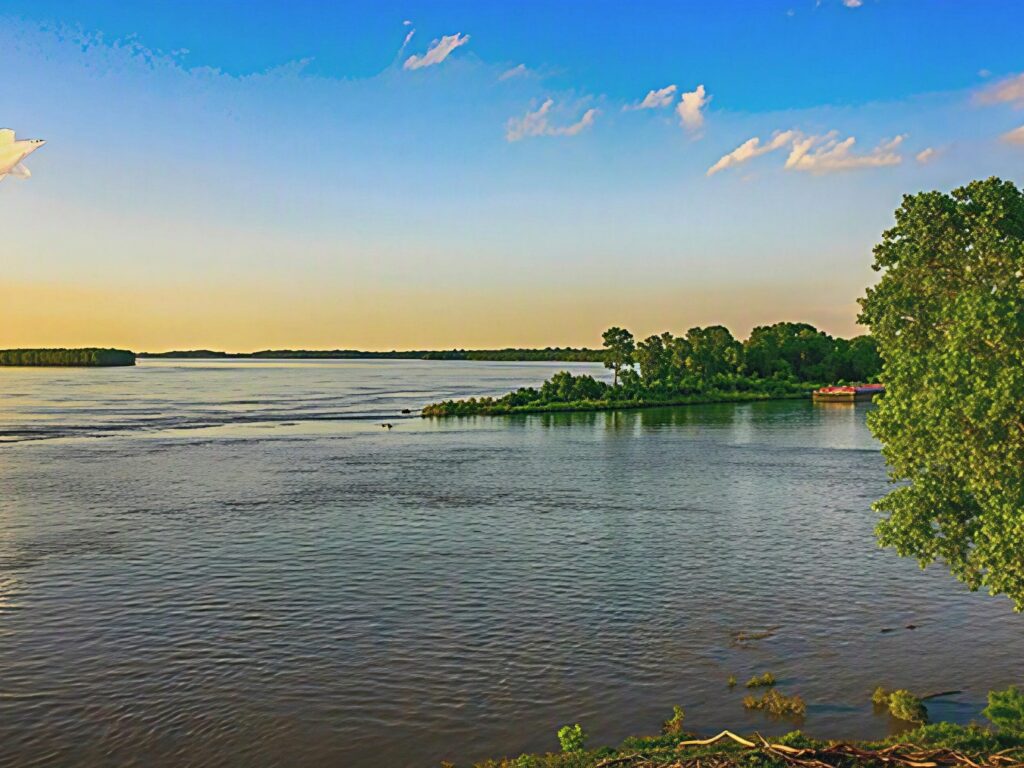
…enjoy the Mississippi River scenery
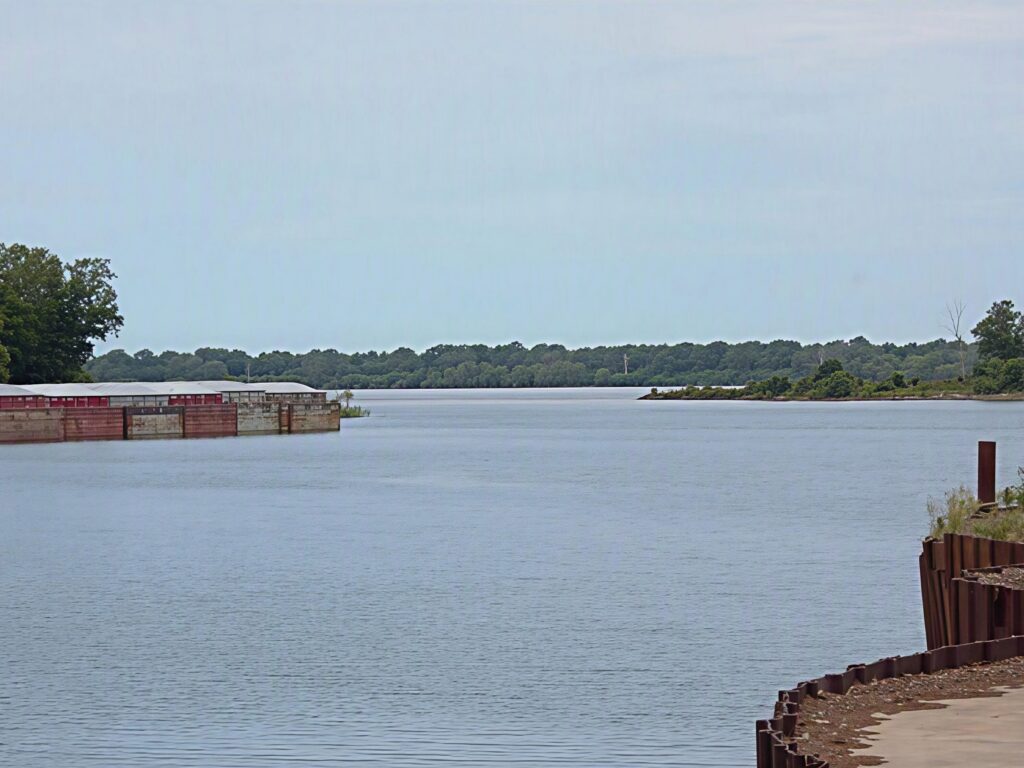
and sample a few regional specialties.
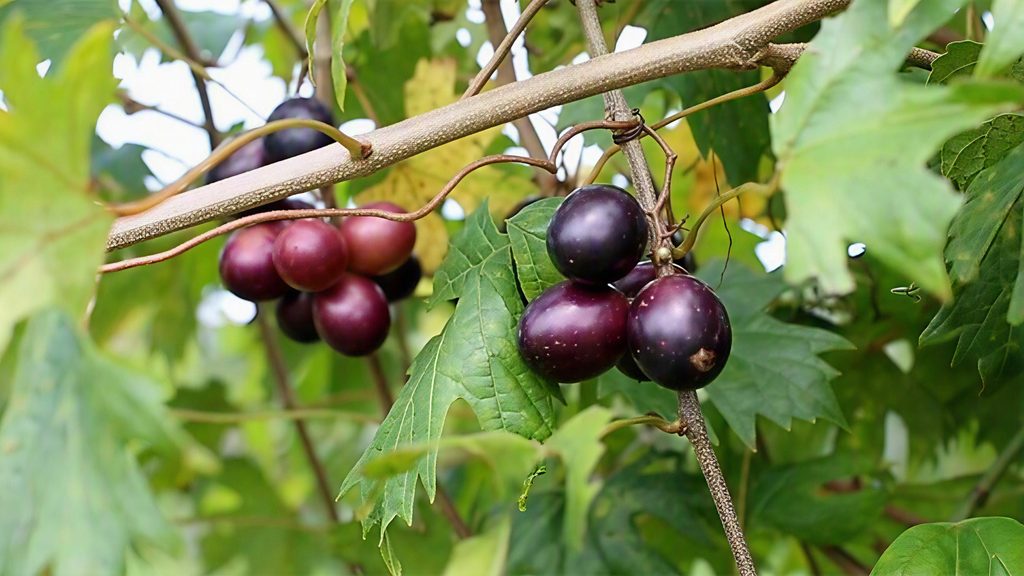
Muscadines

Sweet Corn

Sweet Potatoes
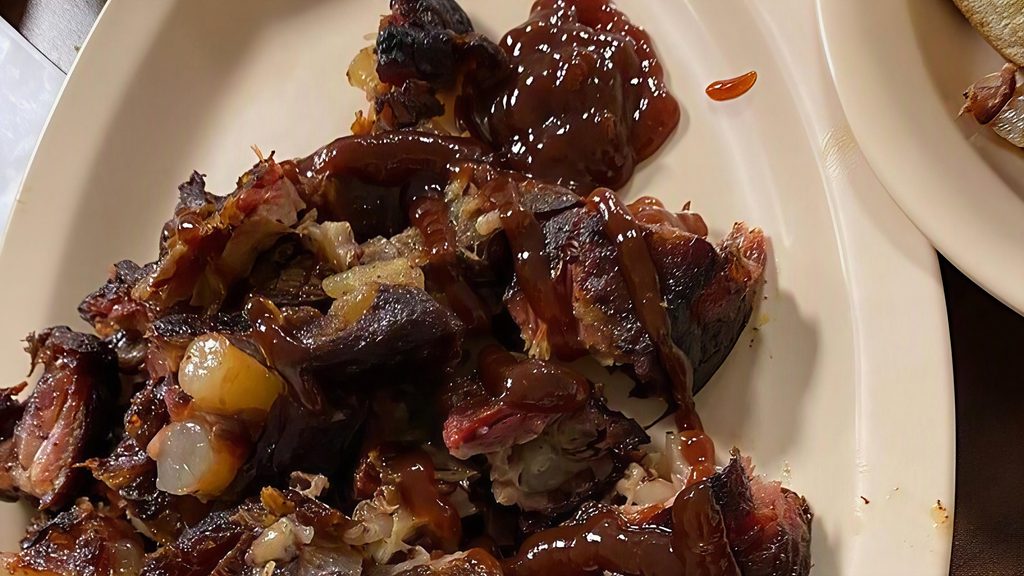
Barbecue
Day 6: Indianola and Greenwood
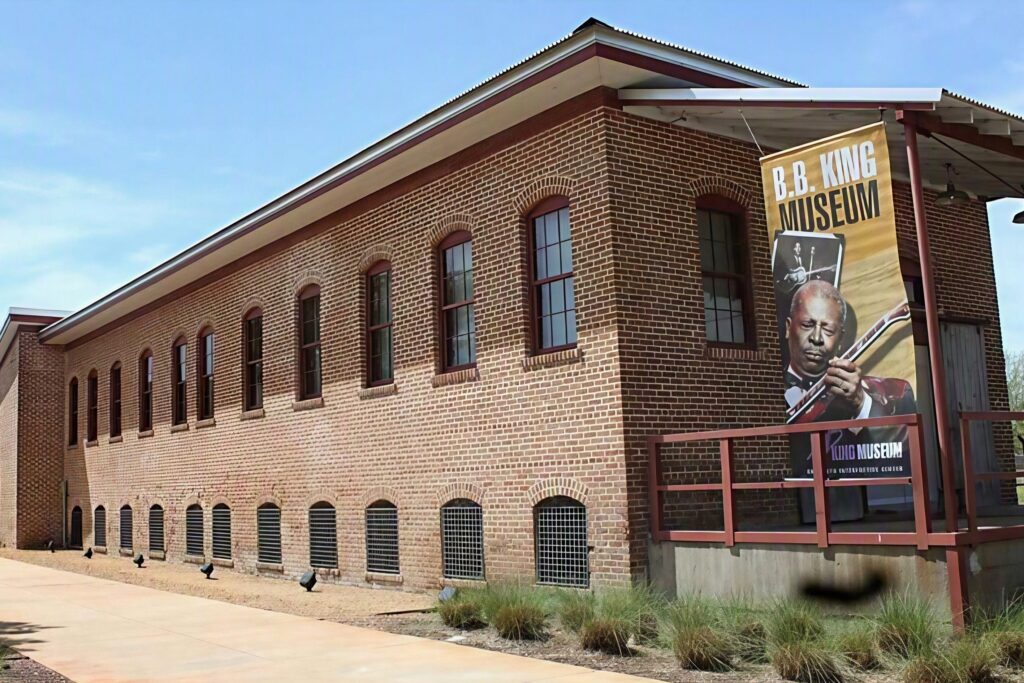
Tour the B.B. King Museum in Indianola, then continue to Greenwood.
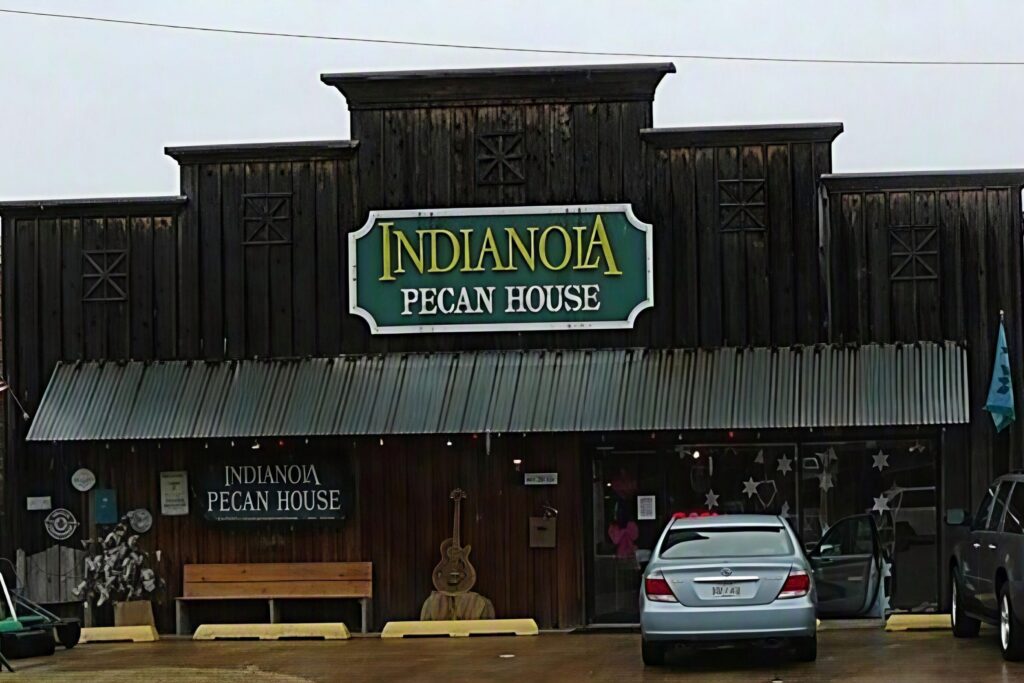
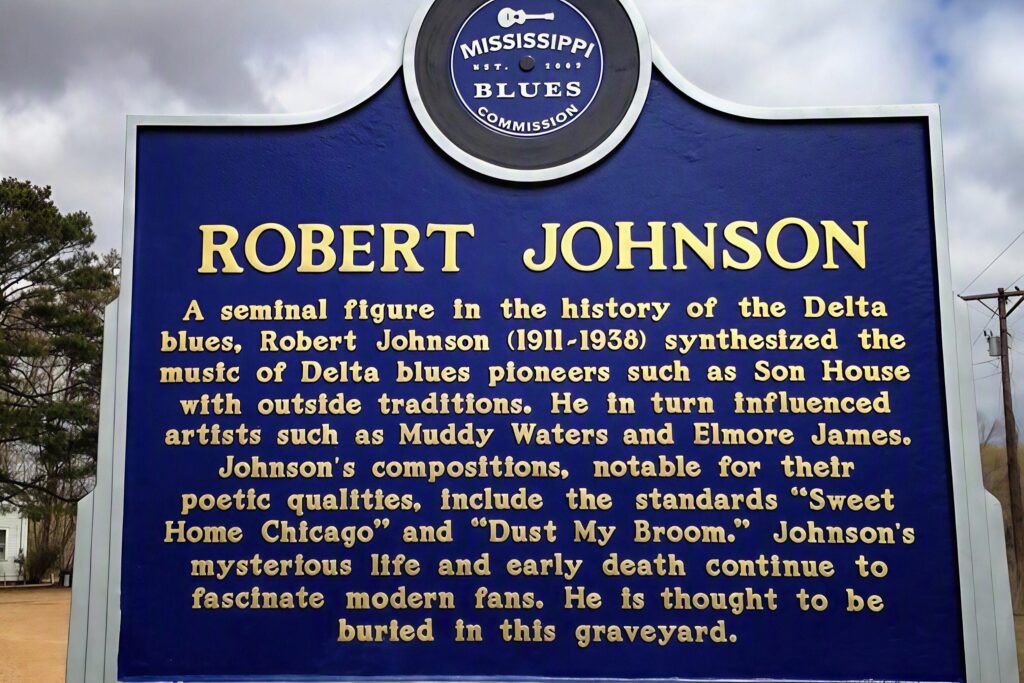
Follow the sites connected to Robert Johnson, discover more Blues Trail markers and explore downtown.
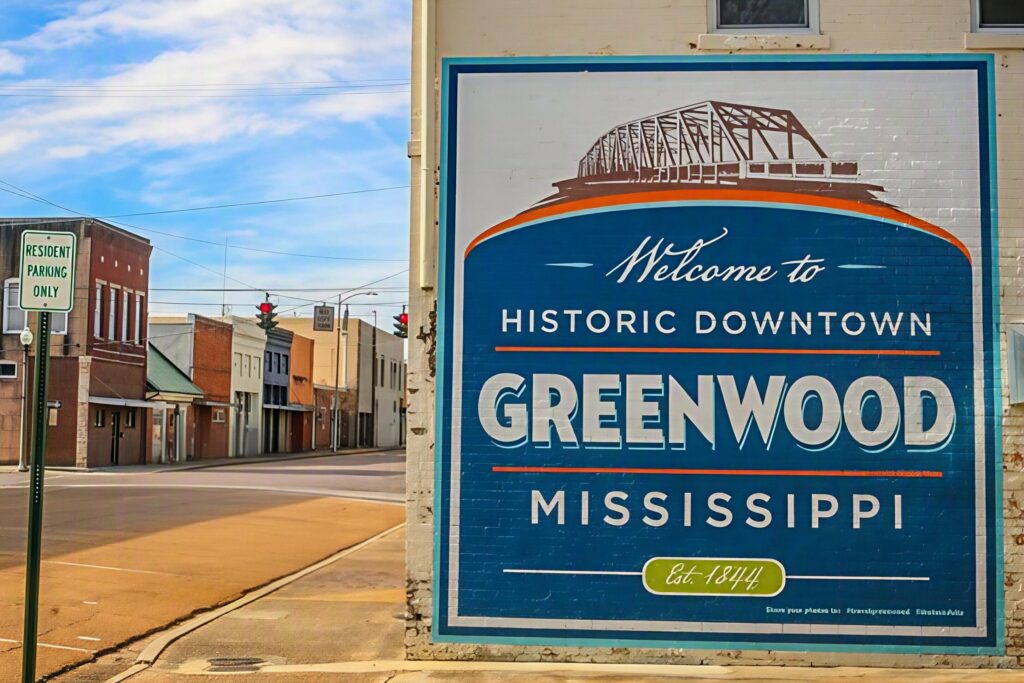
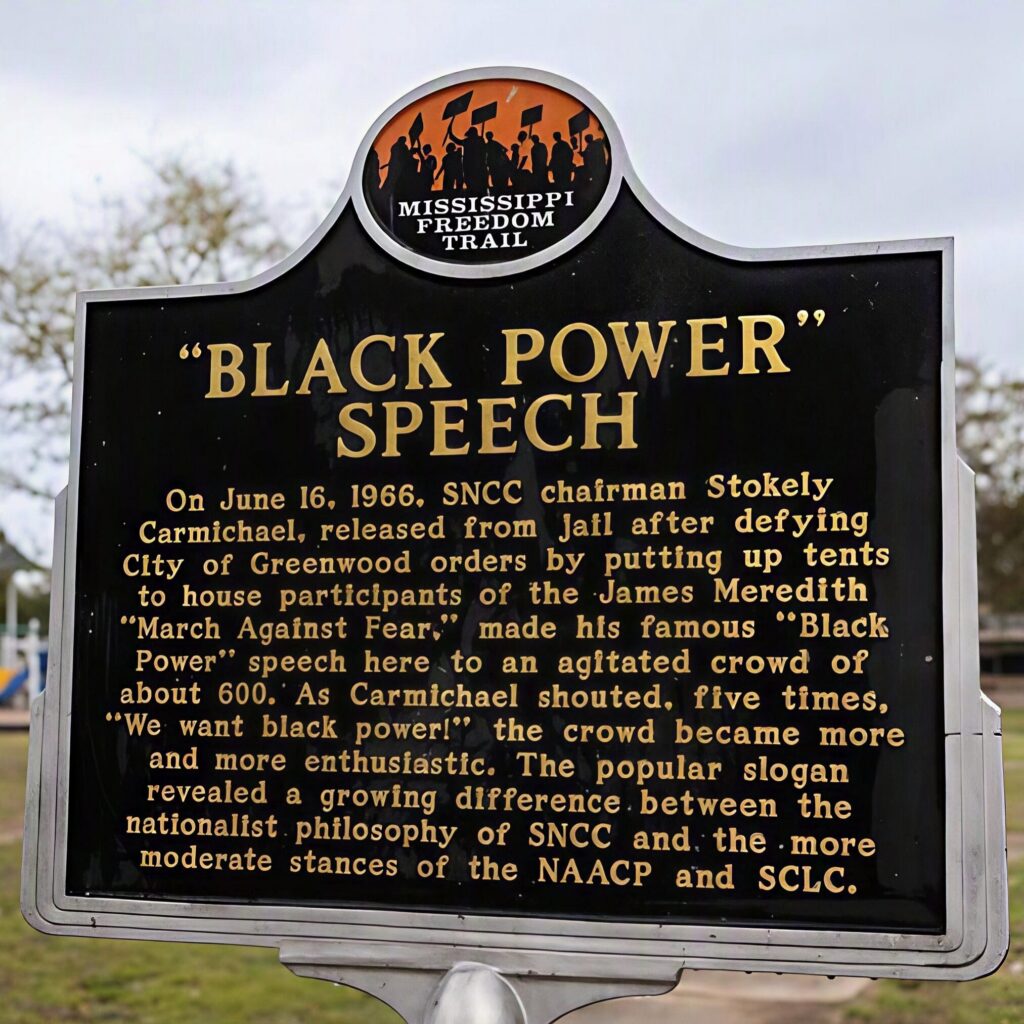
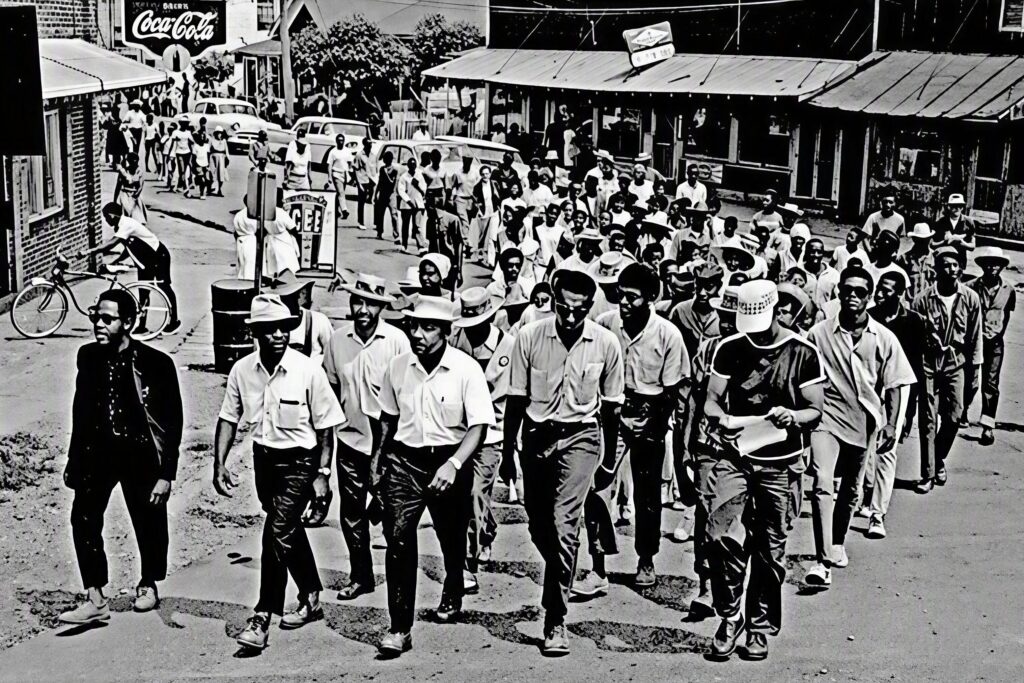
Make time for the area’s Civil Rights history as well.
You can’t understand the story of the Delta through music alone. Its songs, communities and struggles are deeply connected.
Day 7: Vicksburg
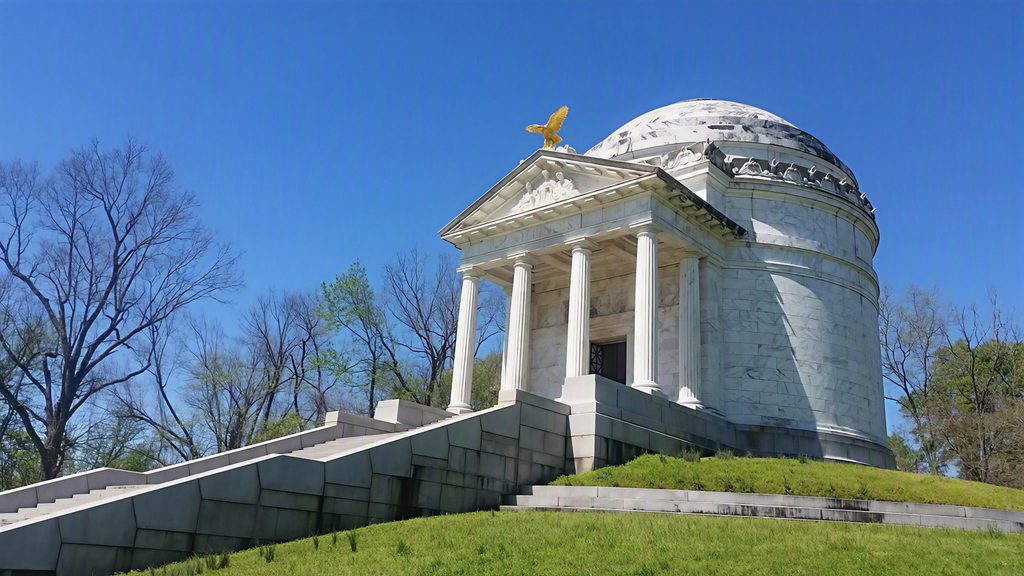
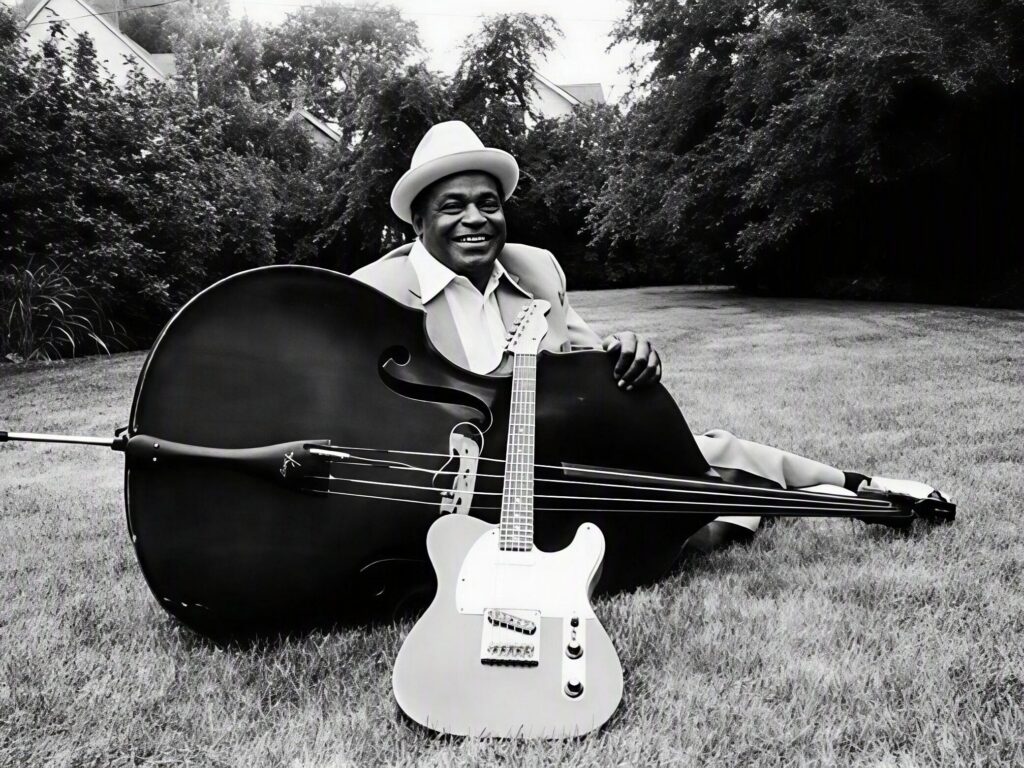
Complete your journey in Vicksburg with visits to Vicksburg National Military Park, the Lower Mississippi River Museum, the riverfront murals and sites connected to Willie Dixon.
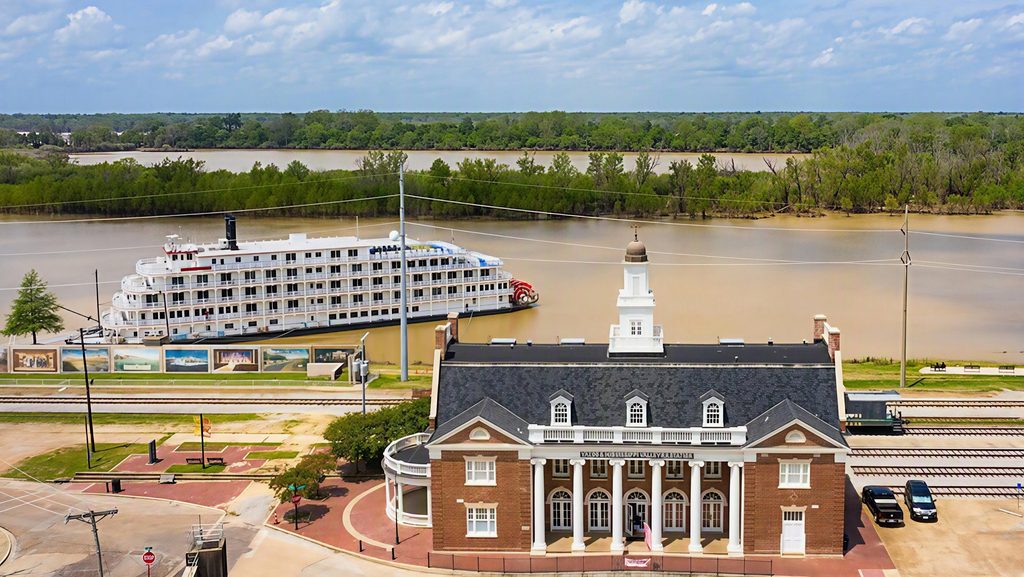
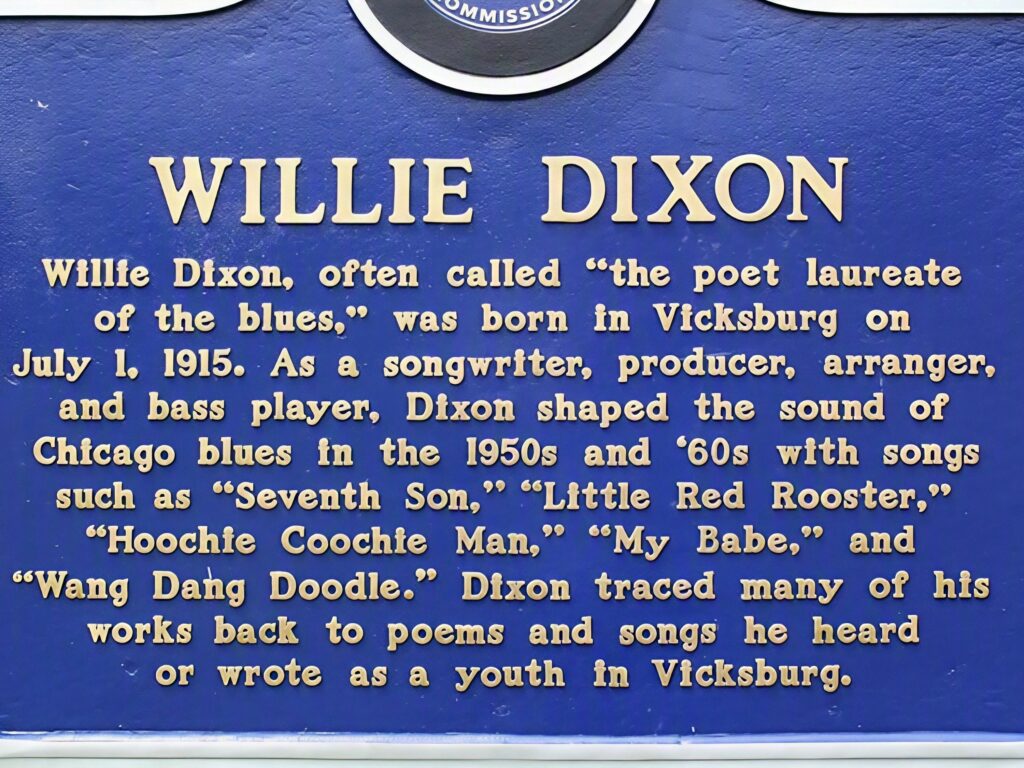
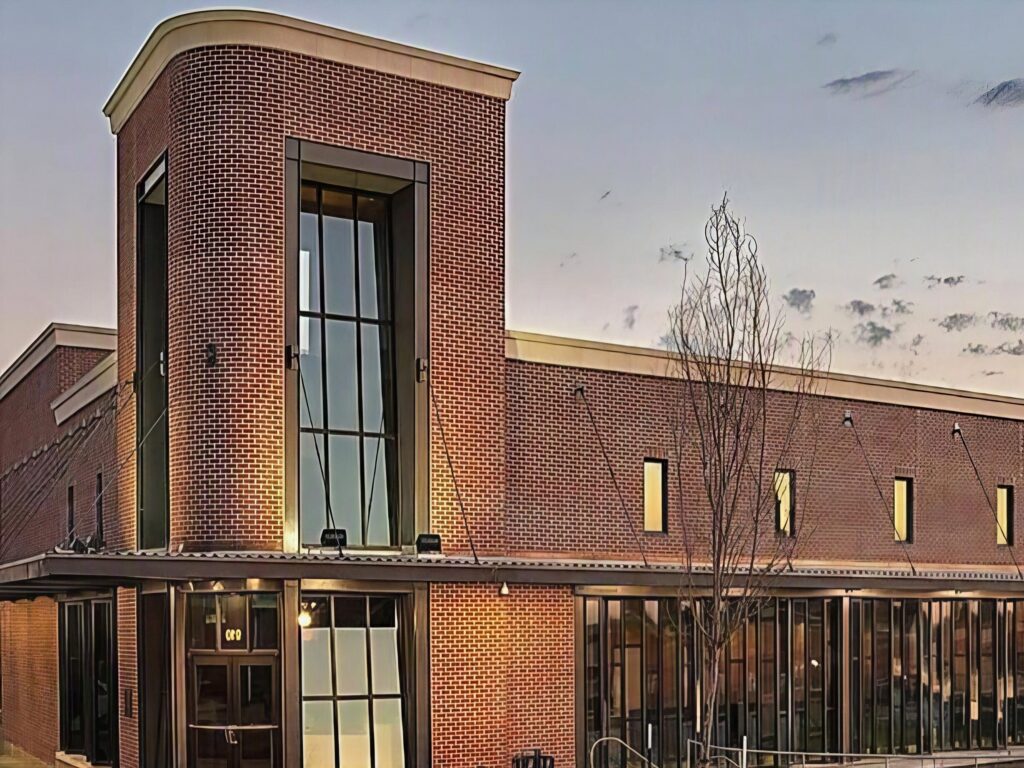
As evening arrives, find a place overlooking the Mississippi River. Then raise a celebratory glass to the musicians who gave the Blues Highway its unmistakable voice.

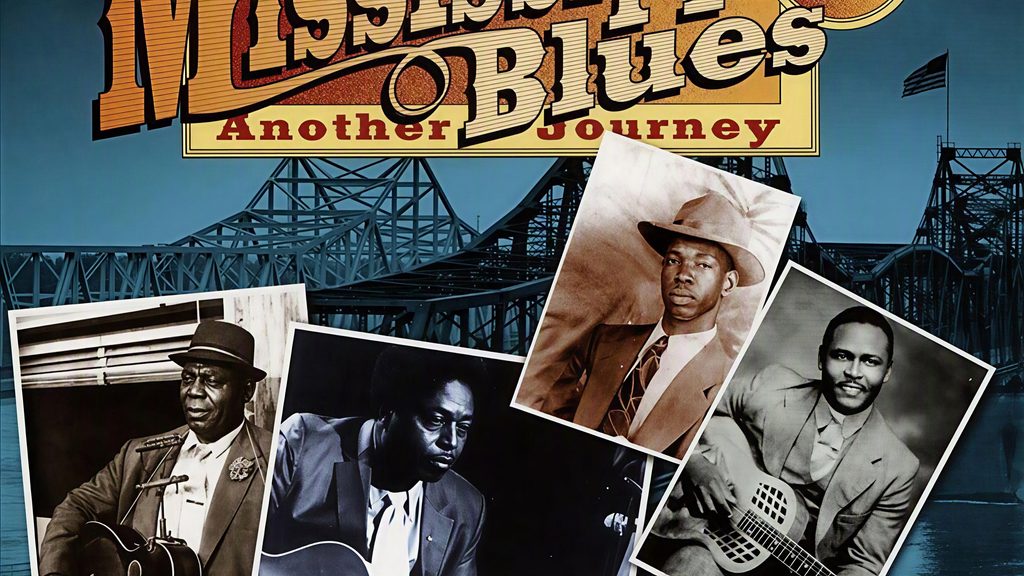
The Mississippi portion of the Blues Trail celebrates the extraordinary musicians who shaped the music we know today.
Historical markers across the state identify their homes, workplaces, performance venues and communities.
B.B. King, Ike Turner, Charley Patton, and Muddy Waters are only a few of the legendary artists whose stories you can discover along the trail.
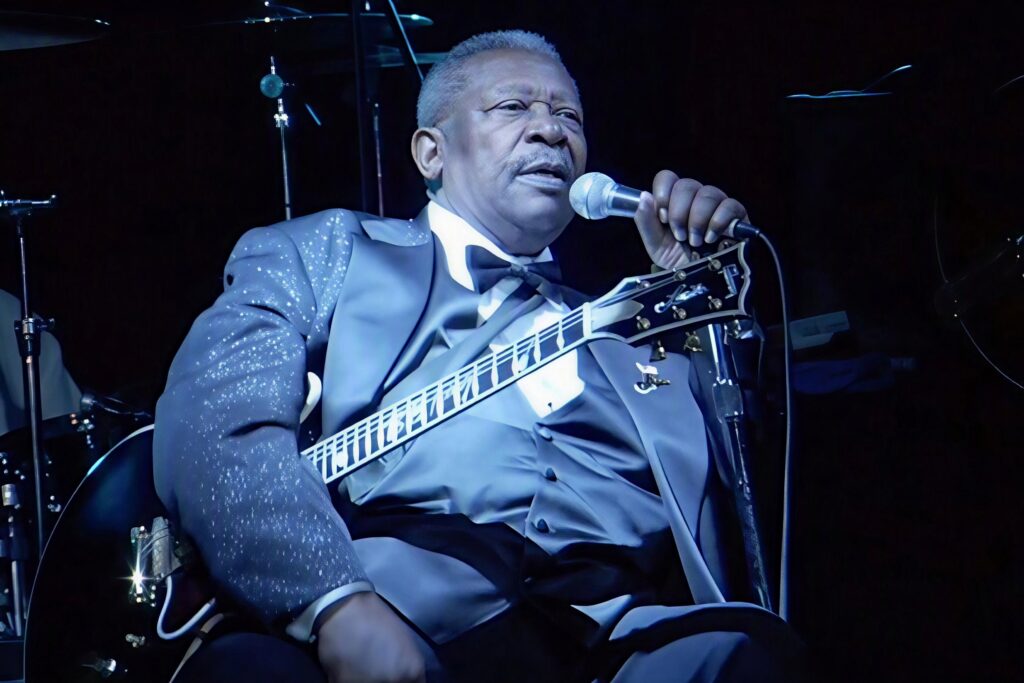
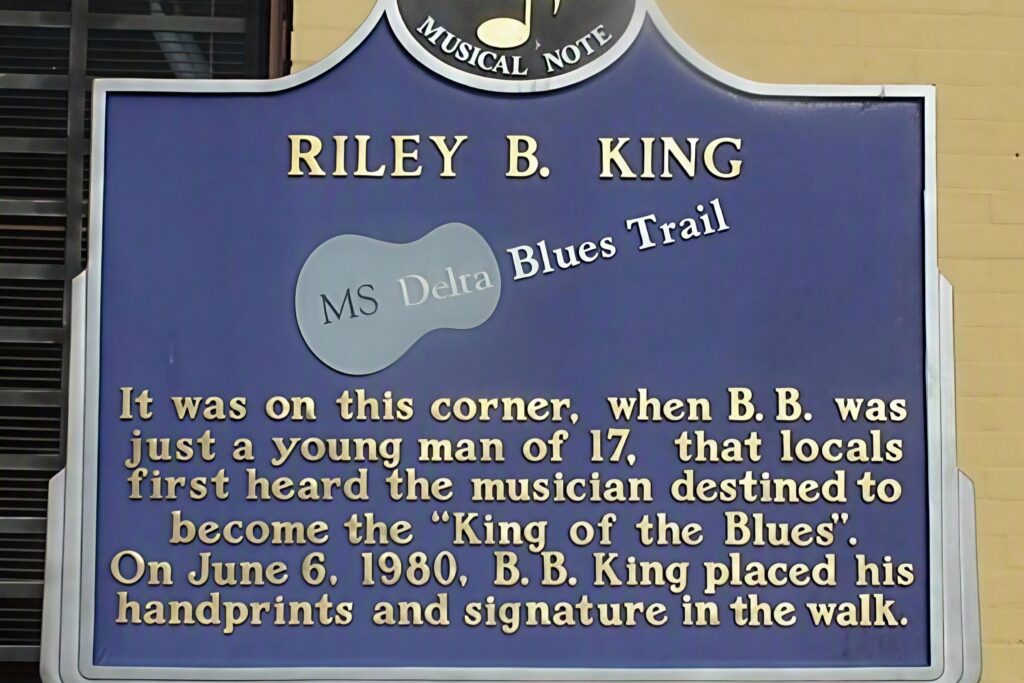
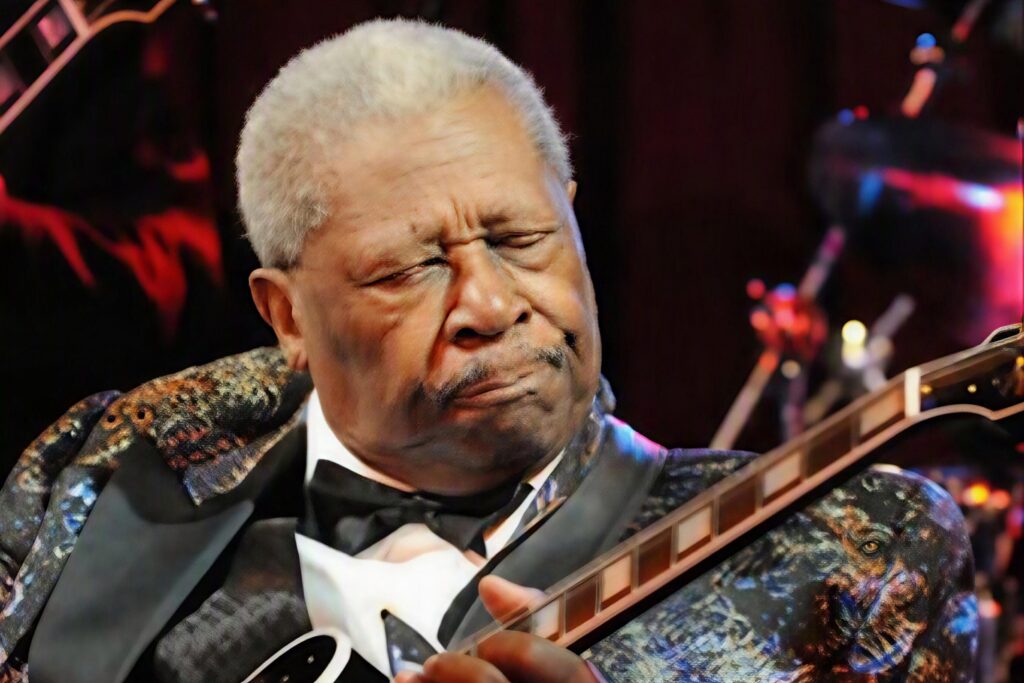
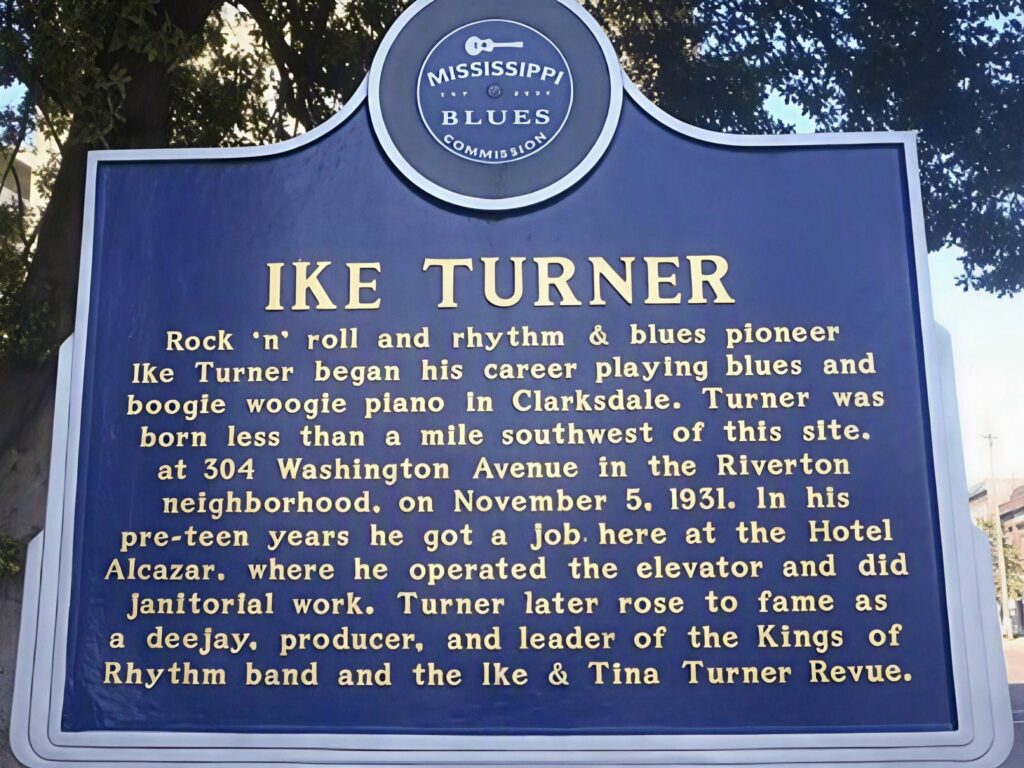
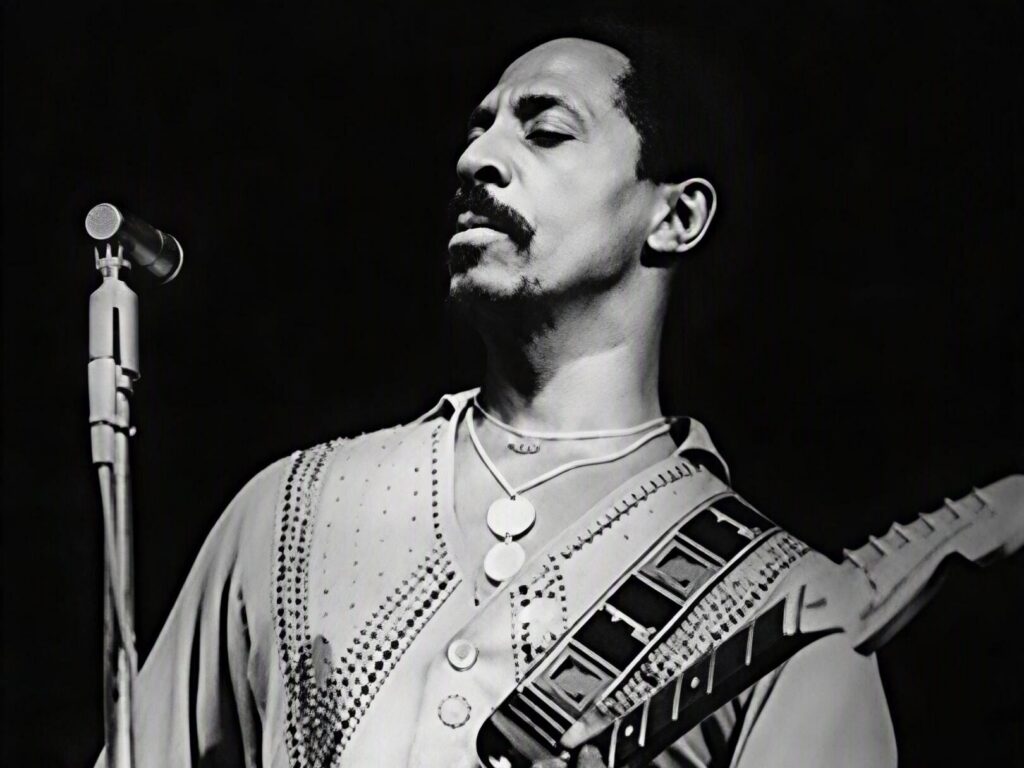
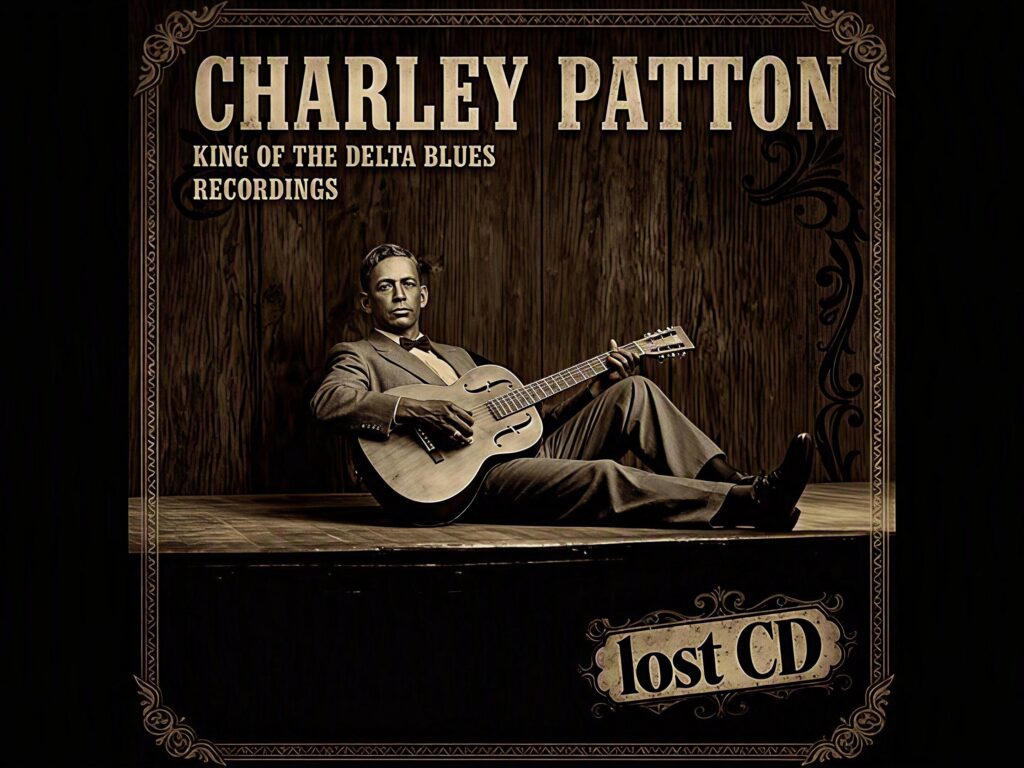
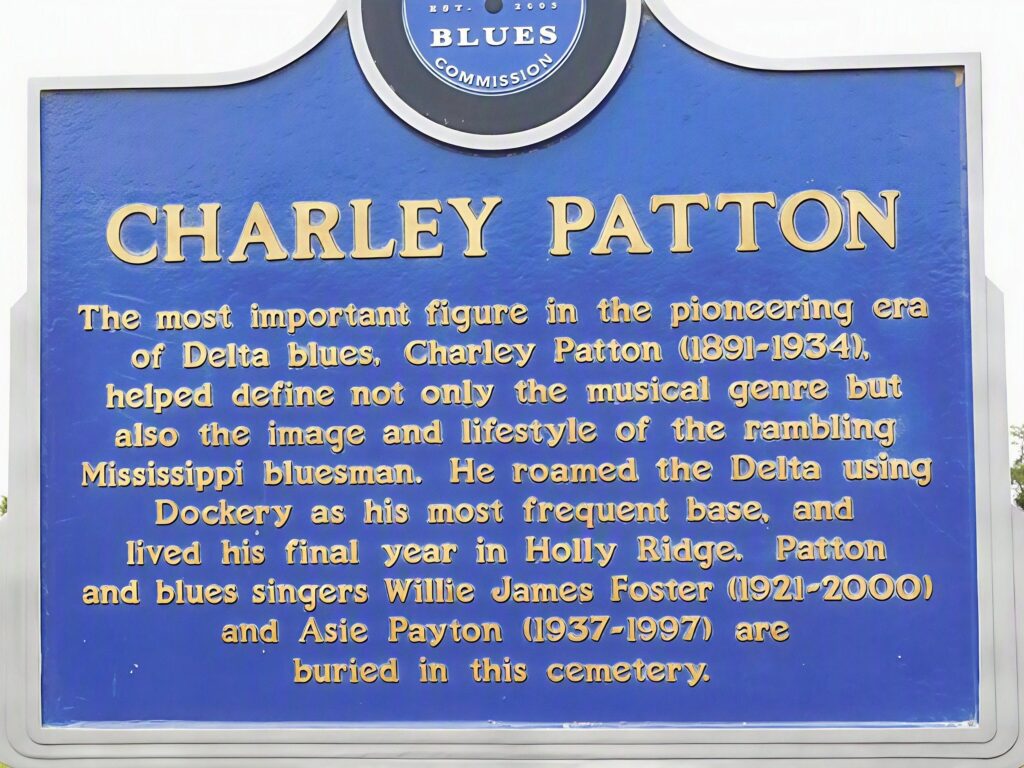
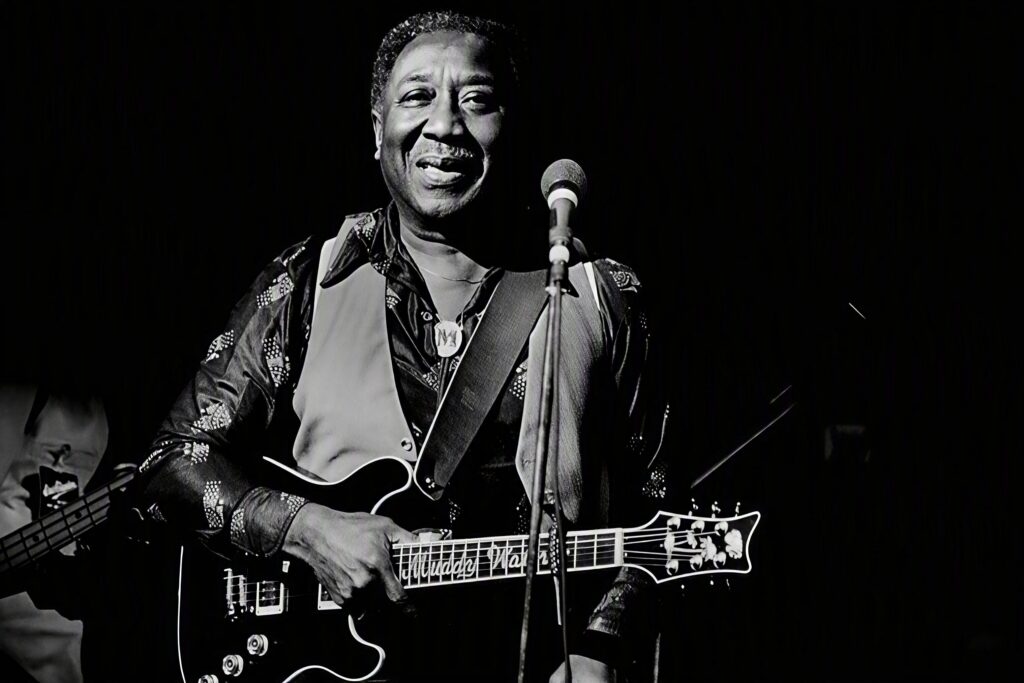
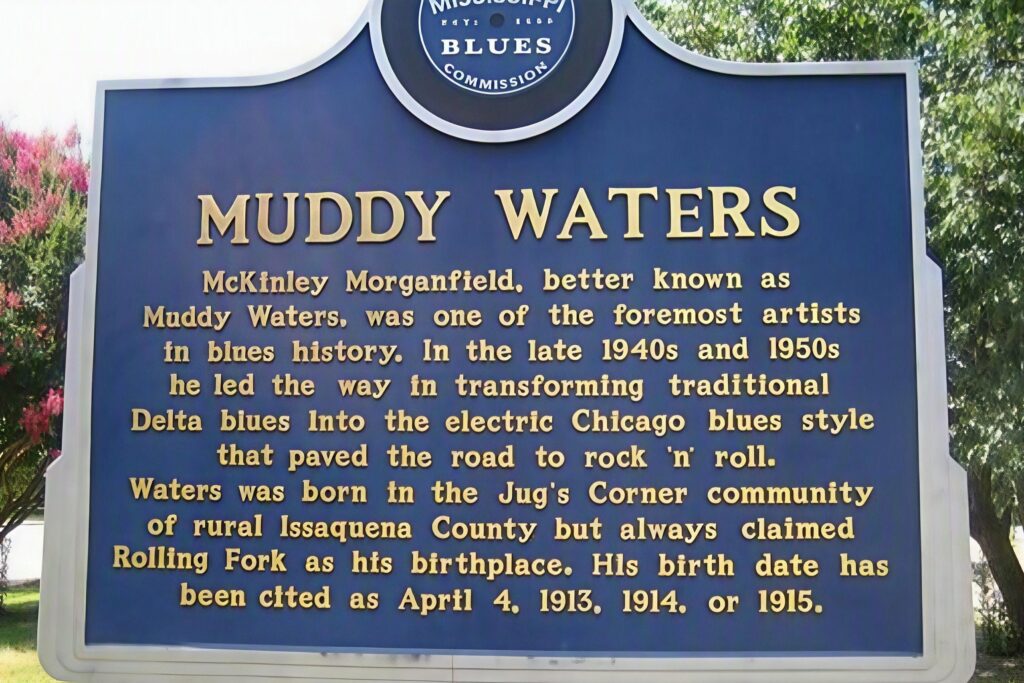
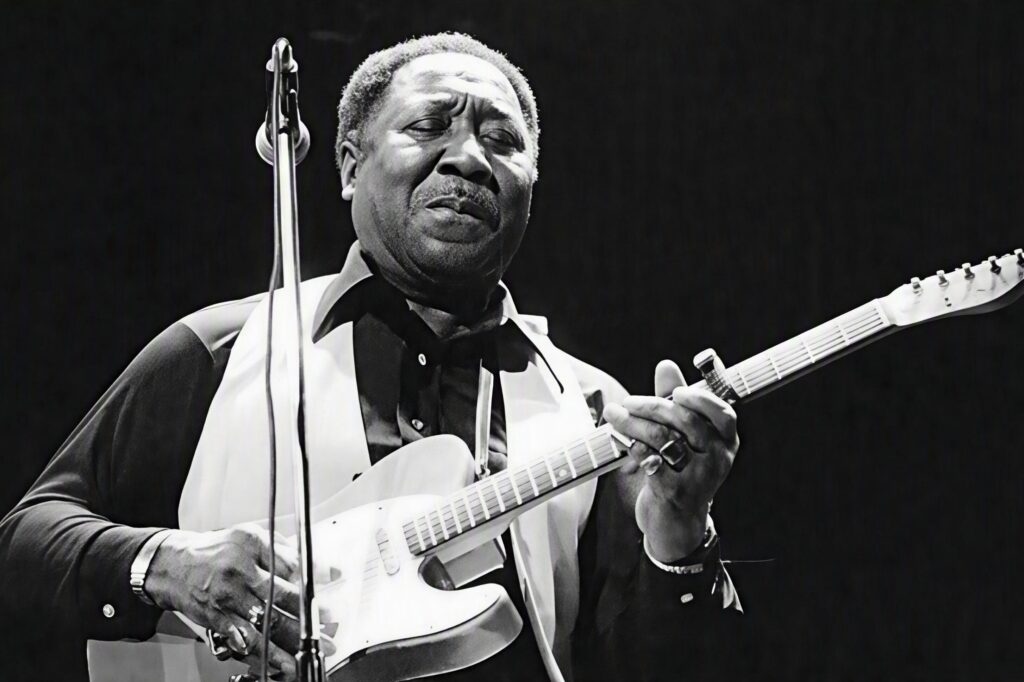
Each marker adds another piece to the story, so stop often. Read. Listen. Look around. The landscape is part of the experience.
The Blues Highway is not simply a collection of museums and historical markers.
Its story lies throughout the route….
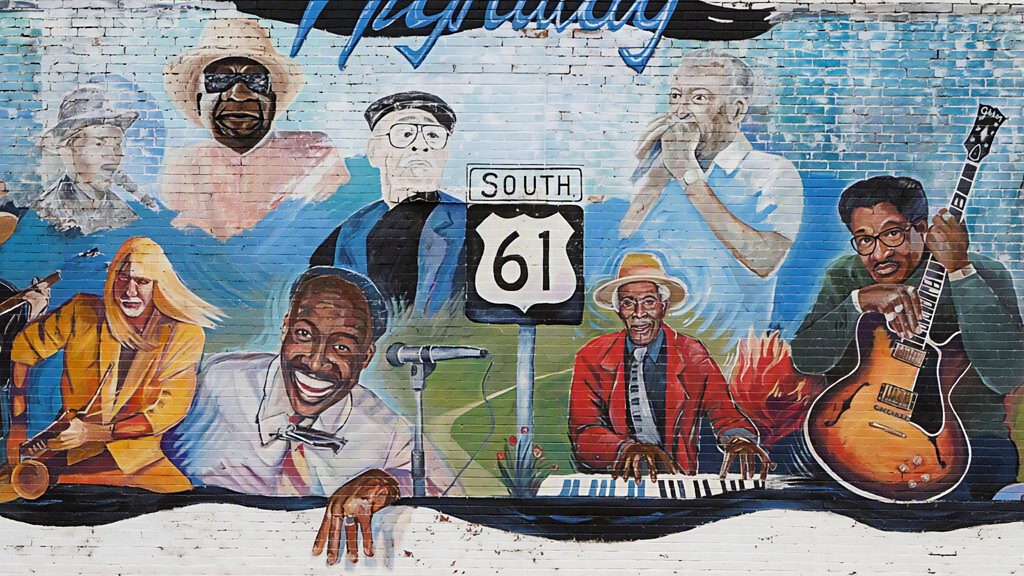
Landscape
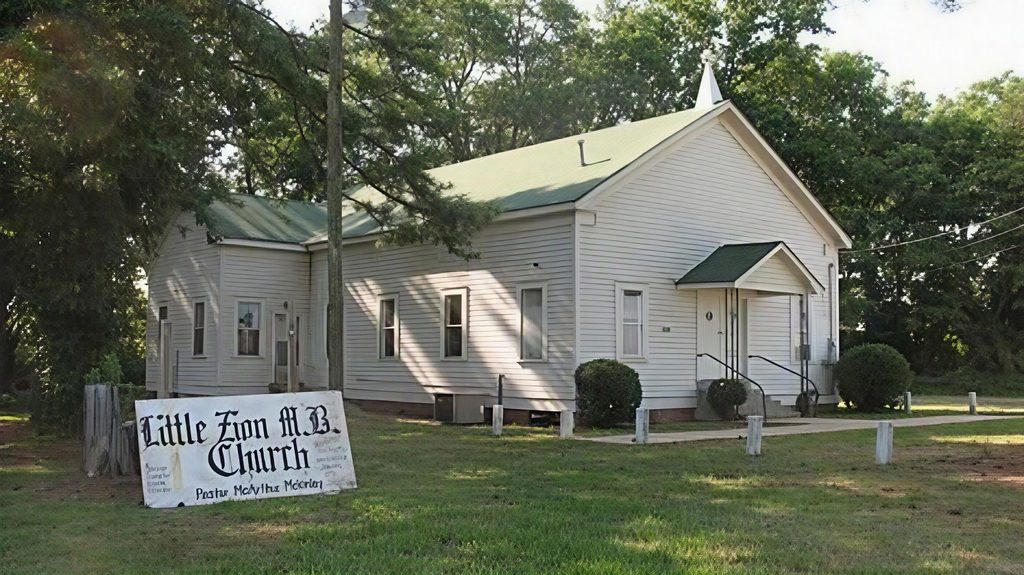
Churches
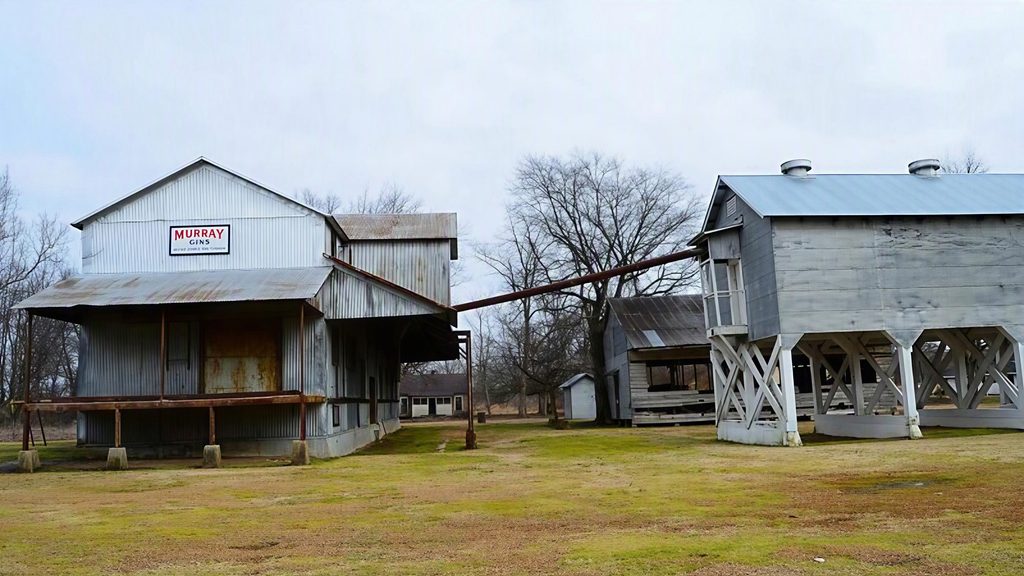
Farms
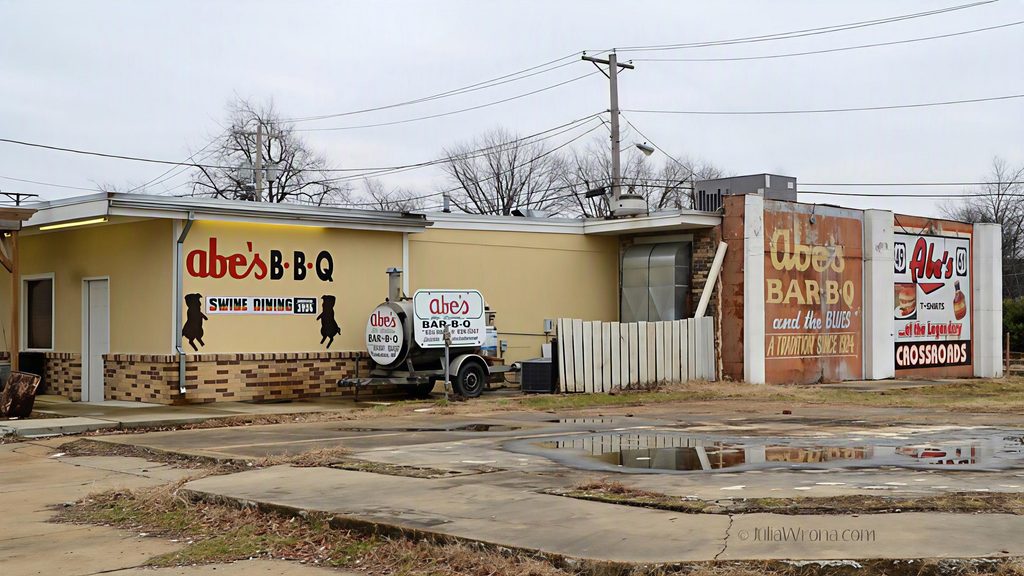
Food
Most of all, it lives in the people who keep playing the music and keeping its history alive.
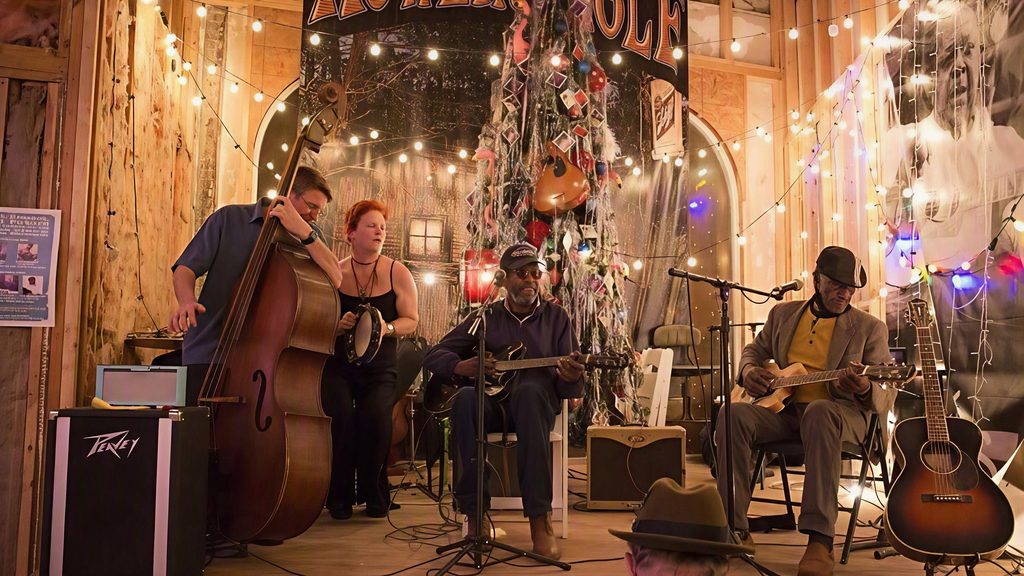
By the end of your journey, you will understand that the blues are not simply sad songs.
They are songs of survival, humour, memory and determination.
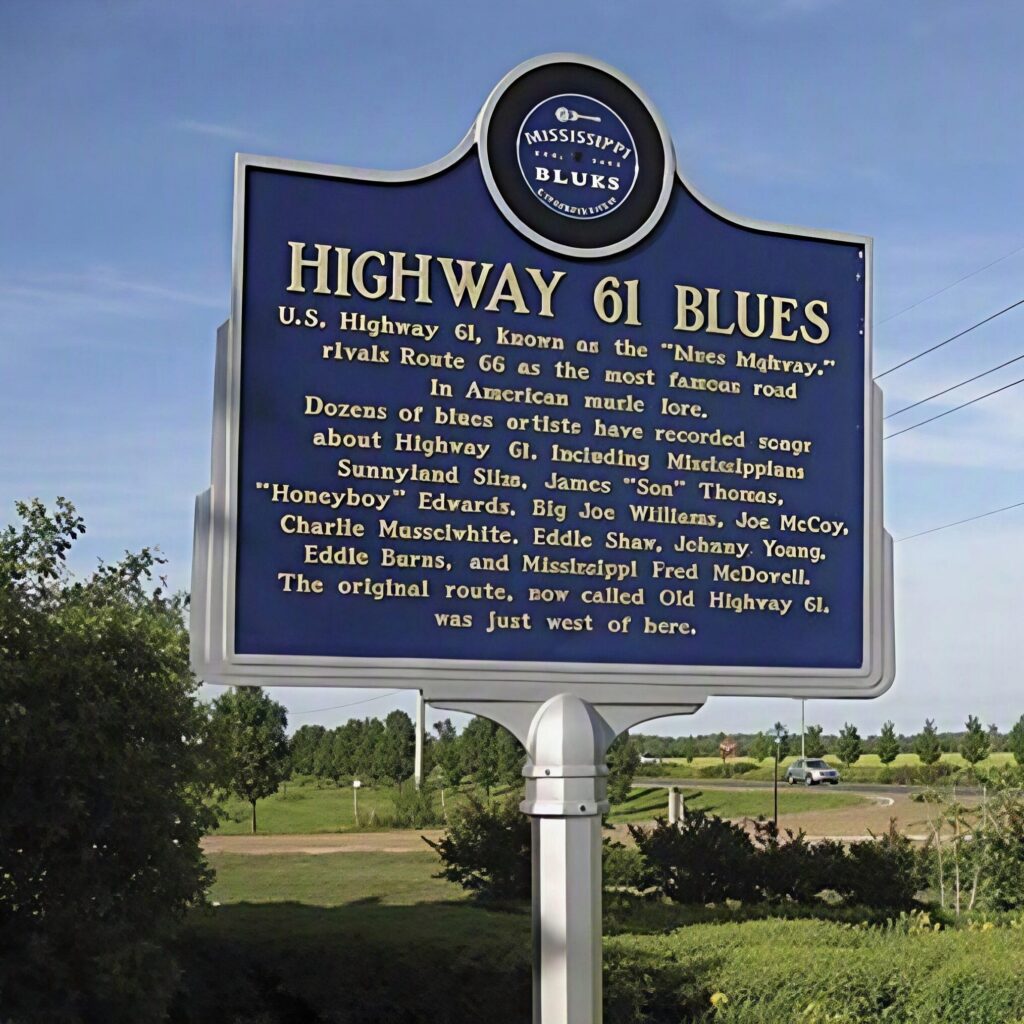
They gave people a way to express the realities of difficult lives and, in doing so, transformed music worldwide.
Dwayne’s winning Week 43 BOBortunity has sent us rolling down a road filled with history, heart and unforgettable music.
Thank you, Dwayne, for sharing your enthusiasm for the Blues Highway!
NEVER MISS A